Directing looks like one job but is really two braided together: composing what the camera sees and drawing truthful work out of actors. Books that try to teach both at once tend to teach neither well, and beginners often reach for on-set war stories before they can read a shot. The order matters because the visual craft and the human craft each reward focused attention first.
The reliable sequence builds the visual language, then turns to performance, then closes with the lived experience of directors who have done it under pressure. Each stage answers a problem the last one raised.
Learn to see in shots
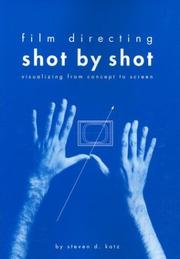
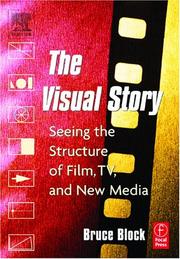
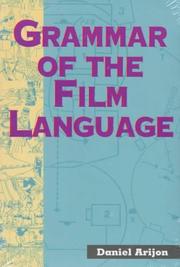
Start with the grammar of the image. Film directing shot by shot is the standard first book, translating story beats into storyboards, coverage, and camera moves you can actually plan. The Visual Story teaches the visual components — space, line, tone, movement — that make a frame mean something, so your choices stop being arbitrary. Grammar of the film language is the exhaustive reference for how shots cut together and how screen direction and continuity work, the vocabulary every other book assumes you know.
The craft of directing
With the eye trained, widen to the whole job. Directing is the comprehensive textbook covering everything from developing a project to running a set, and it doubles as a course on its own. On film-making collects the teaching of a working director and is unusually honest about what actually goes wrong. The heart of the path is performance: Directing Actors is the definitive guide to giving actors playable direction instead of result-oriented notes, and its companion The film director's intuition goes deeper into preparation and the director's inner process.
Wisdom from the chair
Finish with directors reflecting on the whole endeavor. Making movies is a lucid, unpretentious account of every department and decision from a director who trusted his collaborators, and it reads like sitting beside him. Interviews with Master Filmmakers lets a range of directors explain their methods in their own words, which is the best way to see that there is no single correct approach — only informed choices.
These books complement time on real sets; no book substitutes for the practice of directing actual footage and actors. Read them in order and directing becomes a set of learnable decisions rather than a mystique. Follow the full path to move from composing a single shot to running a whole production.
Follow the full reading path →
Ready to learn something deeply?
Build a reading path — free