Editing is the most invisible and arguably the most decisive craft in filmmaking. The same footage can become a masterpiece or a mess depending on the cuts, the rhythm and the choices about what to withhold. Because so much of it is intuitive, the best way to learn is to alternate between the philosophy of the cut and the concrete practice of working editors. Order helps you build judgment, not just technique.
This path starts with why we cut at all, moves into practical craft and the working editor's life, and ends with the theory of montage that underlies everything. Watch films actively as you read.
Why we cut
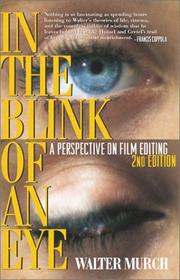
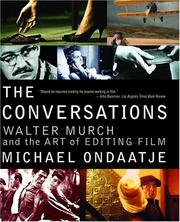
Start with Walter Murch's In the blink of an eye, the short, profound classic on the psychology and rhythm of the cut, the book nearly every editor names first. Then The Conversations, Michael Ondaatje's book-length dialogue with Murch, deepens it into a rich meditation on how editing shapes storytelling and perception. Together they give you the mindset before the mechanics.
Practical craft
Now the working technique. The technique of film editing is a foundational, thorough treatment of the craft's principles, and Film directing shot by shot teaches the visual grammar of shots and coverage that the edit depends on, since you can only cut what was shot. First Cut and When the shooting stops ... the cutting begins both bring you into the room with real editors, their decisions, problems and instincts, which is where the abstract principles become concrete. This cluster is the heart of practical learning.
Rhythm and theory
Finally, sharpen your eye and your ideas. The Eye is Quicker: Film Editing is a rich, practical exploration of editing choices and rhythm, and Editing and Montage in International Film and Video broadens your sense of technique across traditions. Then go to the source with Sergei Eisenstein's Film form, the foundational theory of montage that argues meaning is created between shots, not within them. Ending on theory reframes everything you have practiced.
Follow the full path in order, watching films with an editor's eye, and you will start to see the invisible art everywhere.
Follow the full reading path →
Ready to learn something deeply?
Build a reading path — free