Abstract painting is often misunderstood as the easy option, painting without the burden of representation. In practice it is harder, because you cannot lean on a recognizable subject to organize the image. Everything rests on color, composition, mark and feeling. The painters who make abstraction sing almost always command the fundamentals first. A thoughtful book order gives you both the craft and the conceptual courage.
This path builds color and composition, then materials and technique, then the theory and creative habits that sustain a practice. Paint alongside every book; abstraction is learned in the doing.
Fundamentals of seeing
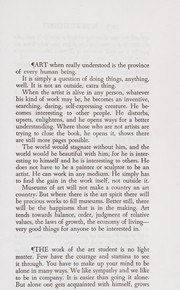
Start with Robert Henri's The art spirit, a bracing set of reflections that frame painting as an act of vision and courage, the right mindset for abstraction. Then master color with Josef Albers' Interaction of color, the landmark study of how colors behave in relation to one another, and Johannes Itten's The elements of color, a clear system for color relationships. Color is the abstract painter's primary language, so time here is never wasted.
Composition and technique
Now build the picture. The Painter's Keys A Seminar With Robert Genn offers grounded, working-artist wisdom on making pictures, and Composition of outdoor painting, though rooted in landscape, teaches design principles that apply directly to abstraction. Then get physical: Experimental Painting encourages exploration of process and mark, The Complete Guide to Abstract Painting is a broad practical manual, and Texture and Surface in Abstract Painting dives into the tactile qualities that give abstract work its presence. This cluster turns intention into material fact.
Theory and the creative life
Finally, feed the mind and the habit. Kandinsky's Concerning the spiritual in art is the founding argument for abstraction's meaning, and Paul Klee Notebooks Volume 1 The Thinking Eye is a profound record of how a master thought about form. Then sustain the practice: Art & fear is the honest classic on the psychology of making work despite doubt, and The Creative Habit teaches the discipline that turns inspiration into output. Ending here keeps you painting long after the techniques are learned.
Follow the full path in order, brush in hand, and abstraction becomes freedom grounded in real command.
Follow the full reading path →
Ready to learn something deeply?
Build a reading path — free