The most common mistake in digital painting is believing the software is the skill. Photoshop and Procreate are just brushes; the images that stop you scrolling are built on drawing, color, light and composition, the same fundamentals traditional painters spend years on. A good book order keeps you focused on those fundamentals, using the tools as a means rather than a subject.
This path grounds you in drawing and color first, then rendering and light, then storytelling and imaginative work. Do the exercises with whatever software you have; the principles transfer everywhere.
Draw before you paint
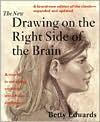
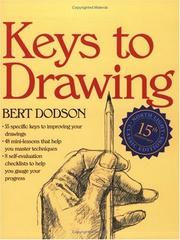
Start with Betty Edwards' The New Drawing on the Right Side of the Brain to retrain how you see, and Bert Dodson's Keys to drawing to build practical drawing habits and confidence. No amount of digital polish rescues weak drawing, so this foundation is non-negotiable. Doing this work early is what separates painters from button-pushers.
Rendering and color
Now the visual core. How to Render by Scott Robertson is the definitive guide to light, shadow and form, teaching you to render believable surfaces. James Gurney's Color and light is the essential companion, the clearest explanation of how light and color actually behave in the world. Together they are the technical heart of convincing painting, digital or not, and repay repeated study.
Storytelling and imagination
Finally, aim your skills. The Digital Painting Techniques series shows professional workflows and methods across many artists, useful once your fundamentals are in place. Framed Ink Drawing And Composition For Visual Storytellers teaches composition and staging for images that communicate, and Gurney's Imaginative Realism explains how to paint convincing scenes that never existed, the concept artist's core trick. The Art of Aaron Blaise offers inspiration and insight from a master, and Sketching from the Imagination: Characters pushes your invention and character work. Ending here turns technique into images with intent.
Follow the full path in order, and your digital paintings will rest on skills no software update can take away.
Follow the full reading path →
Ready to learn something deeply?
Build a reading path — free