Storyboarding basics: books to plan shots like a pro
This curriculum takes you from zero to professional-level storyboarding across four carefully sequenced stages. You begin by absorbing the visual language and grammar of cinema, then move into the craft of drawing for boards, then tackle storyboarding technique directly, and finally study the advanced art of staging and visual storytelling used by working professionals in film and animation.
Visual Language Foundations
BeginnerUnderstand how images communicate — composition, framing, and the grammar of visual storytelling — before picking up a pencil for boards.
▸ Study plan for this stage
Pace: 4–5 weeks, ~25–30 pages/day (Understanding Comics first: 2–3 weeks; The Visual Story: 2 weeks)
- The vocabulary of comics: panels, gutters, closure, and how readers construct meaning from sequential images
- Composition fundamentals: balance, depth, and the rule of thirds in framing shots
- How color, line weight, and contrast guide the viewer's eye and convey emotion
- The relationship between foreground, middle ground, and background in creating visual hierarchy
- Negative space and its role in directing attention and creating visual rhythm
- How camera angles, perspective, and framing choices influence the viewer's psychological response
- The grammar of visual transitions: how cuts, pans, and scene changes communicate time and space
- What is closure in comics, and how do readers use it to fill gaps between panels?
- How do composition techniques like balance, depth, and the rule of thirds influence where a viewer looks first?
- What emotional or psychological effects do different camera angles (high, low, eye-level) and framings create?
- How do color, line weight, and contrast work together to create visual hierarchy and guide attention?
- What is the difference between a cut, a pan, and a dissolve, and when would you use each in a storyboard?
- How do foreground, middle ground, and background interact to create depth and spatial relationships?
- Analyze 5–10 comic pages from Understanding Comics: identify panels, gutters, and closure moments; write one paragraph per page explaining how closure works
- Create a simple 6-panel comic strip (no dialogue) that tells a complete story using only visual composition and transitions
- Photograph or sketch 10 different compositions using the rule of thirds; label the focal point and explain why it works
- Collect 15 images (film stills, photographs, illustrations) and categorize them by camera angle (high, low, eye-level); write one sentence per image describing the emotional effect
- Sketch 3 versions of the same scene with different color palettes; explain how each palette changes the mood
- Storyboard a 30-second scene (e.g., character entering a room) in 6–8 panels, focusing on composition and framing choices rather than detail
Next up: This stage equips you with the visual grammar and compositional tools needed to make intentional, purposeful storyboards in the next stage, where you'll apply these principles to plan actual sequences for film, animation, or comics.

Builds the essential vocabulary of sequential visual storytelling — panels, transitions, time, and reader perception — in an accessible, illustrated format. This is the single best primer on how images tell stories in sequence.
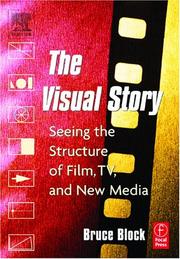
Teaches the core visual elements (line, shape, tone, color, space, movement) and how they create emotional contrast on screen. Establishes the structural language that storyboard artists use to design every shot.
Drawing for Storytelling
BeginnerDevelop the foundational drawing skills — figures, perspective, and clear thumbnail sketching — needed to put ideas on the board quickly and legibly.
▸ Study plan for this stage
Pace: 6–8 weeks, ~20–25 pages/day, with 3–4 dedicated drawing practice days per week
- Basic geometric construction of the human figure and facial proportions from Loomis's foundational method
- Gesture drawing and capturing movement to convey emotion and action quickly
- Perspective principles (one-point, two-point, three-point) and how they frame a scene
- Thumbnail sketching as a rapid ideation tool for visual storytelling
- Composition techniques including framing, staging, and visual hierarchy from Mateu-Mestre
- Value and contrast as tools to direct viewer attention and establish mood
- How to translate narrative intent into clear, legible visual language
- How do you construct a human figure using Loomis's geometric method, and why is this approach useful for quick storyboarding?
- What is the relationship between gesture drawing and storytelling, and how do you capture emotion through figure pose and line?
- Explain the differences between one-point, two-point, and three-point perspective, and when you would use each in a storyboard.
- What makes a thumbnail sketch effective for visual storytelling, and what details should you include or omit?
- How do composition principles like framing, staging, and visual hierarchy serve the narrative in a sequence of panels?
- How do you use value and contrast to guide the viewer's eye and reinforce the emotional tone of a scene?
- Draw 50 quick figure studies using Loomis's construction method (head, ribcage, pelvis as basic shapes), focusing on accuracy over detail
- Create 20 gesture drawings in 2–3 minutes each from reference or imagination, emphasizing pose and movement
- Sketch the same simple scene (e.g., a character entering a room) in one-point, two-point, and three-point perspective to understand how perspective choice affects storytelling
- Produce 10 sets of 6–8 thumbnail sketches for a short narrative sequence (e.g., a character's reaction to news), keeping each thumbnail to 2×3 inches or smaller
- Redraw one of your thumbnail sequences at larger scale, applying Mateu-Mestre's composition principles: intentional framing, clear staging, and visual hierarchy through value contrast
- Complete 5 full-page storyboard sequences (8–12 panels each) for short scenes from films or books you know, focusing on clarity and legibility over polish
- Study 3–5 professional storyboards (from films or animation) and annotate them to identify perspective choices, composition techniques, and how value directs attention
Next up: This stage equips you with the visual vocabulary and rapid-sketching fluency to move into the next stage, where you'll learn to sequence these drawings into coherent narratives and develop the pacing, camera work, and panel transitions that make storyboards communicate story beats effectively.
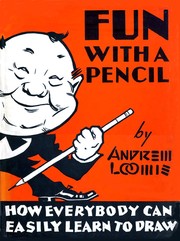
Loomis's approachable method for drawing expressive heads and figures gives storyboard beginners a fast track to readable characters without requiring fine-art training.
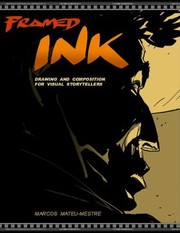
Bridges drawing skill and cinematic composition directly, showing how to use light, shadow, and framing in quick sketches to create mood and direct the viewer's eye — exactly what storyboard panels demand.
Storyboarding Craft & Technique
IntermediateLearn the professional workflow of storyboarding: thumbnailing sequences, staging action, cutting, camera moves, and presenting boards for film and animation production.
▸ Study plan for this stage
Pace: 8–10 weeks, ~25–30 pages/day (with 2–3 days per week dedicated to drawing exercises and storyboard practice)
- Translating script to visual narrative: breaking down dialogue, action, and subtext into sequential images
- Thumbnailing as a rapid ideation tool: loose, gestural drawing to explore staging, composition, and pacing before committing to finished boards
- Staging action for clarity and emotion: positioning characters, props, and camera to communicate intent without dialogue
- Cutting and shot selection: understanding when to cut, how shot size and angle serve story, and rhythm of transitions
- Camera movement and motivation: pan, tilt, dolly, crane—when and why to move the camera to enhance narrative or emotion
- Character development through visual storytelling: using posture, gesture, spatial relationships, and expressions to reveal personality and emotional arcs
- Professional presentation standards: industry-standard formats, aspect ratios, numbering systems, and panel layouts for film and animation production
- Directing the viewer's eye: composition, focus, color, and visual hierarchy to guide attention and control information flow
- How do you break down a script into storyboard sequences, and what visual information must you extract from dialogue and action lines?
- What is the purpose of thumbnailing, and how does rough, quick sketching help you solve staging and pacing problems before drawing finished boards?
- How do staging choices (character placement, angles, depth) communicate emotion and clarity without relying on dialogue?
- What are the key differences between shot types (wide, medium, close-up, extreme close-up), and when should you use each to serve your story?
- How do you motivate camera movement—what story or emotional purpose does a pan, dolly, or crane shot serve, and when is static framing better?
- What are the industry-standard formats and presentation conventions for storyboards in film and animation production, and why do they matter?
- Thumbnail a 2–3 minute scene from a film or script: create 20–30 loose, gestural sketches exploring different staging, angles, and cutting choices; compare your thumbnails to the actual film or a peer's work
- Storyboard a 30-second dialogue scene from a published screenplay: focus on translating subtext and character emotion through staging, posture, and facial expression rather than relying on dialogue
- Create a 'staging study': draw the same action (e.g., a character entering a room, a confrontation) from 4–5 different camera angles and positions; analyze how each choice changes the emotional impact
- Analyze a 2–3 minute sequence from an animated film or live-action movie: recreate 8–12 key frames as storyboard panels, then write notes on why each shot was chosen (size, angle, camera movement, cut timing)
- Design a camera movement sequence: storyboard a scene with at least one motivated pan, dolly, or crane shot; explain in writing why the movement serves the story and how it guides the viewer's eye
- Complete a full professional storyboard package: take a 1–2 minute script excerpt and produce 15–25 finished boards in industry-standard format (correct aspect ratio, numbering, panel layout, shot descriptions)
Next up: This stage equips you with the technical and narrative tools to visualize any script professionally; the next stage will deepen your ability to direct emotion and performance through advanced visual language, color theory, and the psychology of composition.
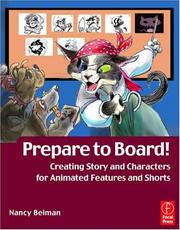
The most comprehensive hands-on guide to animation storyboarding, covering script breakdown, thumbnails, staging, timing, and pitching. It is the go-to textbook used in animation programs worldwide.
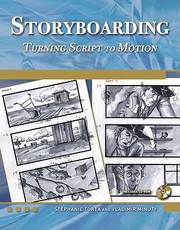
Focuses on live-action and film storyboarding workflow, walking through shot lists, camera language, and how boards communicate with a director and crew — a practical complement to Beiman's animation focus.
The definitive reference on shot design and visual planning for directors and storyboard artists alike, packed with board examples, coverage patterns, and sequence analysis that deepens every technique learned so far.
Advanced Visual Storytelling & Staging
ExpertMaster the art of staging, continuity, and cinematic storytelling at a professional level — understanding how master filmmakers and animators design sequences that carry emotional and narrative weight.
▸ Study plan for this stage
Pace: 8–10 weeks, ~25–30 pages/day (alternating between Mascelli and Arijon in 2-week blocks to allow deep integration of each framework)
- The Five C's of Cinematography (Camera angle, Composition, Cutting, Close-ups, and Color) as the foundational language of visual storytelling
- How camera positioning and framing create psychological and emotional responses in the viewer
- Continuity principles and spatial logic that maintain viewer orientation across cuts and sequences
- The grammar of film language: syntax, punctuation, and rhythm as applied to editing and shot sequencing
- Staging techniques that guide viewer attention and control information reveal within a frame
- How master cinematographers use depth, layering, and visual hierarchy to convey narrative and character relationships
- Matching action, eyeline matches, and 180-degree rule as tools for maintaining narrative coherence
- Cinematic pacing and the emotional impact of shot duration, transition timing, and visual rhythm
- Explain how each of the Five C's (Camera angle, Composition, Cutting, Close-ups, Color) independently contributes to emotional storytelling, and provide a specific example from a film or animation you've studied
- How do continuity principles (180-degree rule, eyeline matches, matching action) prevent viewer disorientation, and when might a filmmaker intentionally break these rules for narrative effect?
- Describe the grammar of film language: what are the basic 'words,' 'sentences,' and 'punctuation marks' of visual storytelling, and how do they differ from written language?
- Analyze a complex sequence (5–10 shots) and explain how staging, camera angle, and composition work together to guide viewer attention and reveal information progressively
- How does the relationship between shot scale (wide, medium, close-up) and shot duration affect pacing and emotional impact in a scene?
- What is the difference between motivated and unmotivated camera movement, and how does each serve different narrative purposes?
- Shot Breakdown Exercise: Select a 2–3 minute scene from a professional film or animated sequence. Identify every shot, noting camera angle, composition, color palette, and duration. Map how each shot serves the Five C's framework and explain the emotional/narrative purpose of each choice
- Continuity Mapping: Storyboard a 30-second scene involving two characters in conversation, applying the 180-degree rule, eyeline matches, and matching action. Then deliberately break one rule and explain the visual and narrative consequences
- Grammar Translation: Take a written paragraph of dialogue or action from a script. Translate it into a shot sequence (5–8 shots) using only visual language—no dialogue. Annotate each shot with the 'grammar' element it represents (establishing statement, close-up emphasis, transition, etc.)
- Master Study: Analyze a 5–10 shot sequence from a Kubrick, Kurosawa, Fincher, or acclaimed animator (Miyazaki, Takahata). Document the Five C's in each shot, identify the cinematic grammar at work, and write a 500-word analysis of how staging and continuity create meaning
- Staging for Attention: Create a storyboard for a scene where three characters occupy the same space, but the narrative focus shifts between them across 8–10 shots. Use composition, camera angle, and depth to control what the viewer sees and when
- Pacing and Rhythm Study: Collect 3 contrasting sequences (action, dialogue, emotional revelation) and chart shot duration, camera movement, and cut timing. Analyze how rhythm and pacing reinforce the emotional tone of each sequence
Next up: This stage equips you with the technical and conceptual vocabulary to deconstruct and construct professional-level visual narratives; the next stage will apply these principles to your own original storyboarding work, moving from analysis to authorship.
A classic deep-dive into camera angles, continuity, cutting, close-ups, and composition from a cinematographer's perspective — essential for storyboard artists who must think like a camera operator and editor simultaneously.
An exhaustive, diagram-rich reference on staging and coverage for every conceivable scene type. At this stage it becomes a professional toolkit for solving complex multi-character staging problems in boards.
Discussion
Keep reading
Paths that share books, cover the same subject, or open a related topic.