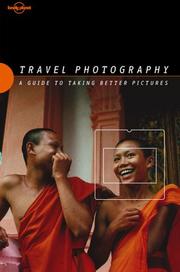
Wedding Photography: Best Books to Shoot Weddings Like a Pro
This curriculum is built for an intermediate photographer who already understands camera basics and wants to master wedding photography end-to-end. The four stages move from refining core craft skills (posing and light) through capturing authentic emotion, into the professional systems that make a wedding day run smoothly, and finally into building a sustainable, profitable business — each stage assuming the vocabulary and confidence gained in the one before.
Posing & Light Fundamentals
IntermediateMaster the foundational language of posing couples and reading/shaping light in wedding environments before stepping onto a wedding day.
▸ Study plan for this stage
Pace: 8–10 weeks, ~25–30 pages/day. Allocate 3–4 weeks to Valenzuela's posing book, 2–3 weeks to his lighting book, and 2–3 weeks to Freeman's compositional framework. Build in 1–2 weeks for integration and practice.
- The geometry of posing: how body angles, head tilts, and asymmetry create flattering, dynamic couple portraits
- Posing psychology: understanding how pose communicates emotion, intimacy, and narrative in wedding photography
- Light direction and quality: the difference between hard and soft light, and how to recognize and shape each in real wedding venues
- Reading ambient light: assessing color temperature, direction, intensity, and modifying it with reflectors, diffusers, and flash
- Compositional hierarchy: using the Rule of Thirds, leading lines, and depth to guide viewer attention within the frame
- Light and pose integration: how posture and positioning work together to flatter the subject and harmonize with available light
- Practical problem-solving: adapting posing and light techniques to challenging wedding environments (backlighting, mixed color temps, small spaces)
- What are the core principles of asymmetrical posing, and why does Valenzuela emphasize breaking symmetry in couple portraits?
- How do you identify and modify the quality of light (hard vs. soft) in a real wedding venue, and what tools does Valenzuela recommend?
- What is the relationship between body angle, head position, and perceived flattery in a portrait, and how does this differ for male vs. female subjects?
- How do Freeman's compositional principles (Rule of Thirds, leading lines, depth) enhance or constrain posing choices in wedding photography?
- When faced with unflattering ambient light (harsh midday sun, mixed color temperatures), what are your step-by-step adjustments to pose and/or light?
- How do you use light direction to create separation, dimension, and emotional tone in a couple's portrait?
- Study and annotate 20 couple portraits from wedding photographers (not from the books): identify the pose geometry, light direction, and compositional structure in each. Note what works and why.
- Photograph 5 practice sessions with a couple (or two willing friends): apply Valenzuela's posing principles (angles, asymmetry, intimacy cues) and document the before/after impact on flattery and emotion.
- Create a 'light inventory' of 3–4 locations you'll shoot weddings in: map the ambient light at different times of day (direction, quality, color temp), and plan your posing and light-shaping strategy for each.
- Shoot a 30-minute portrait session in each of three different light conditions (soft overcast, harsh direct sun, mixed indoor/window light): practice reading and adapting light in real time using reflectors, diffusers, and flash.
- Recreate 5 couple poses from Valenzuela's book with a practice partner, then photograph them under different light conditions (side light, backlight, flat light). Compare results and refine based on Freeman's compositional feedback.
- Write a 1-page 'posing + light decision tree' for a common wedding scenario (e.g., bride and groom first look in a small bridal suite with one window). Include pose choices, light modifications, and compositional framing.
Next up: This stage equips you with the technical language and hands-on skills to pose couples flatteringly and shape light intentionally, preparing you to move into the next stage—likely on-location scouting, timing, and full wedding-day logistics—where you'll apply these fundamentals under real time pressure and unpredictable conditions.
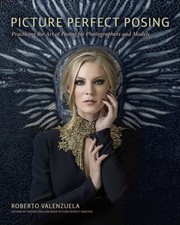
Valenzuela's systematic 'building-block' approach to posing gives intermediate photographers a repeatable, confidence-building framework for directing couples — essential vocabulary for everything that follows.

A direct sequel in method to his posing book, this teaches you to analyze and use any light source found at a wedding venue, bridging posed work with real-world unpredictability.

Trains compositional instinct and visual decision-making — the underlying grammar that makes both posed and candid images feel intentional rather than accidental.
Capturing Candid & Emotional Moments
IntermediateDevelop the documentary eye and anticipatory instincts needed to capture authentic, storytelling moments throughout a wedding day.
▸ Study plan for this stage
Pace: 4–5 weeks, ~25–30 pages/day. Allocate 2 weeks to "Photographs Not Taken" (emphasis on reflection and observation exercises), then 2–3 weeks to "Wedding Photography Unveiled" (practical application and shooting scenarios).
- The power of restraint and knowing what NOT to photograph—learning to edit in-camera rather than in post-production
- Developing anticipatory vision by understanding decisive moments and pre-visualizing shots before they happen
- Emotional authenticity in wedding photography: capturing genuine reactions, unguarded moments, and the narrative arc of the day
- Positioning and movement strategies that allow you to be present without being intrusive
- The documentary approach to wedding storytelling—building a cohesive visual narrative that reflects the couple's authentic experience
- Technical consistency as a foundation for creative freedom—mastering exposure, focus, and composition so you can focus on moments
- Reading light, emotion, and human behavior to anticipate peak moments before they occur
- What does Steacy mean by 'photographs not taken,' and how does this philosophy improve your decision-making as a wedding photographer?
- How do you develop the ability to anticipate and predict emotional moments before they happen? What specific techniques does Tobin recommend?
- Describe the difference between posed/directed moments and candid documentary moments. How do you create space for authenticity while still guiding the day?
- What are the key elements of visual storytelling in a wedding, and how do you ensure your images collectively tell the couple's narrative?
- How does positioning and movement during the ceremony and reception affect your ability to capture genuine moments without being disruptive?
- What role does technical mastery (exposure, focus, composition) play in freeing you to focus on emotional content and anticipation?
- Observation study: Spend 2–3 hours at a public venue (café, park, event) with your camera but shoot only 10–15 frames. Practice extreme selectivity and restraint; review Steacy's principles on what makes a moment worth capturing.
- Anticipation drills: Watch 3–4 wedding highlight videos with the sound off. Pause before key moments and predict what will happen next. Then play it forward. Identify the patterns and behavioral cues that telegraphed those moments.
- Documentary narrative exercise: Select 20–30 images from a past wedding (yours or a mentor's). Arrange them in a sequence that tells a complete story arc from morning prep through reception. Write a 1-paragraph narrative that explains the emotional journey.
- Positioning practice: Attend a local event (ceremony, performance, gathering) and practice moving through the space without being noticed. Identify 3–4 optimal positions that give you sight lines to multiple moments. Evaluate how your position affects the authenticity of captured moments.
- Technical consistency challenge: Shoot a full day (or 4–6 hours) with locked settings (same aperture, ISO range, white balance). Review the consistency of your exposures and focus. Identify how technical confidence freed you to focus on moments.
- Emotional moment mapping: Review a full wedding gallery and categorize every image as 'posed,' 'semi-candid,' or 'fully candid.' Analyze which moments felt most authentic and what conditions (lighting, positioning, timing) enabled them. Identify gaps in your emotional coverage.
Next up: This stage establishes the philosophical and practical foundation for anticipatory, emotionally intelligent wedding photography; the next stage will build on this by teaching you how to synthesize these documentary instincts with advanced technical control, creative composition, and post-processing to elevate the emotional impact of your final images.

A collection of essays by leading photographers on the decisive moment and restraint — reframes your mindset from 'shooting everything' to seeing and waiting for meaning.

Profiles top wedding photojournalists and breaks down how they approach storytelling, emotion, and the unscripted moments that define a wedding day narrative.
Workflow, Editing & Day-of Execution
IntermediateBuild a reliable, repeatable system for shooting a full wedding day, culling, editing, and delivering a polished final gallery efficiently.
▸ Study plan for this stage
Pace: 4–5 weeks, ~25–30 pages/day, with 2–3 dedicated practice days per week for shooting and editing exercises
- Deliberate practice methodology: how to structure repetitive shooting to build muscle memory and technical consistency
- The importance of posing fundamentals and client direction as core workflow components that reduce editing burden
- Lighting setups and their predictable outcomes: understanding how to replicate results across different venues and conditions
- Culling and selection criteria: developing a systematic, objective process to identify keepers and reject frames efficiently
- Editing workflow optimization: establishing presets, batch processing, and consistency checks to deliver galleries faster
- Time management on wedding day: pacing, shot lists, and contingency planning to capture all essential moments without stress
- Quality control and delivery standards: defining what 'polished' means for your brand and ensuring every image meets that threshold
- How does deliberate practice differ from simply shooting more weddings, and what specific drills can you implement to improve your technical skills?
- What are the key posing principles Valenzuela emphasizes, and how do strong posing reduce the amount of editing work needed post-wedding?
- Describe a lighting setup you can reliably recreate at multiple venues; what are the variables you need to control or adapt?
- What criteria should you use to cull a wedding gallery, and how can you apply these objectively to maintain consistency across all your work?
- Walk through your complete editing workflow from import to delivery; where are the bottlenecks, and how can you use presets or batch processing to speed it up?
- How would you structure your shot list and timing for a typical 8-hour wedding day to ensure you capture all essential moments while maintaining quality?
- Shoot a full practice wedding (or coordinate with a couple for a discounted session) and apply Valenzuela's deliberate practice principles: focus on one technical skill per hour (e.g., posing consistency, lighting control, depth-of-field management)
- Create a detailed posing guide for your signature shots (couple portraits, family groups, detail shots) with before/and-after examples showing how proper posing reduces editing time
- Document and photograph 3–5 different lighting setups you use regularly (e.g., backlit couples, window light for details, off-camera flash for receptions); write down the settings and conditions so you can replicate them
- Cull and edit a recent wedding gallery using a strict, objective rubric (e.g., sharpness threshold, exposure range, composition criteria); time yourself and note how long it takes to reach a final gallery of 400–600 images
- Build or refine your editing preset suite in Lightroom or Capture One; test it on 3–5 different weddings to ensure consistency and identify which presets need adjustment for different lighting conditions
- Plan a complete wedding day timeline: map out shot categories by time block (getting ready, ceremony, family formals, reception), assign approximate time budgets, and identify 2–3 backup shots for each critical moment
Next up: This stage equips you with a systematic, repeatable workflow that prioritizes quality at every step—from deliberate practice and posing to efficient culling and editing—preparing you to scale your business and handle multiple weddings per week without sacrificing consistency or burning out.

Bridges craft and execution by showing how to apply posing and lighting skills under real wedding-day time pressure, tying together the first two stages into a live-shooting workflow.
Running a Wedding Photography Business
ExpertUnderstand pricing, client experience, marketing, and the business systems needed to build a profitable, sustainable wedding photography studio.
▸ Study plan for this stage
Pace: 8–10 weeks, ~25–30 pages/day (approximately 2–3 weeks per book, with overlap for application)
- Platform-specific content strategy: tailoring your wedding photography message to each social media channel's native format and audience behavior (Instagram Stories, Facebook, TikTok, etc.)
- The right hook: how to stop the scroll and capture attention within the first 3 seconds on social platforms, critical for attracting wedding clients
- The StoryBrand framework: positioning yourself as the guide (not the hero) in your clients' wedding journey, with a clear problem, solution, and call-to-action
- Clarifying your unique value proposition: communicating why couples should choose your studio over competitors through consistent, compelling messaging
- Building trust and authority: using content and narrative to establish credibility with engaged couples and ideal clients
- Customer journey mapping: understanding how prospects move from awareness (social media discovery) through decision (booking consultation) to advocacy (referrals and testimonials)
- Consistency across channels: maintaining a cohesive brand voice and visual identity while adapting content format to each platform's strengths
- Measurable engagement and conversion: tracking which content strategies and messaging actually drive inquiries and bookings
- How would you adapt your wedding photography content differently for Instagram Stories versus a Facebook feed post, based on the native behavior of each platform?
- What is the 'right hook' in your wedding photography marketing, and how do you execute it within the first 3 seconds to stop a couple's scroll?
- Using the StoryBrand framework, map out your positioning: What problem do engaged couples have, how is your photography the solution, and what specific action do you want them to take?
- How does your current marketing position you as the guide in your clients' wedding story rather than as the hero, and why does that distinction matter for conversions?
- What are the key touchpoints in your customer journey from a couple's first social media discovery of your work to booking a consultation and eventually becoming advocates who refer you?
- How would you audit your current content and messaging across platforms to identify gaps in consistency or clarity that might be costing you bookings?
- Content audit: Review your last 20 posts across Instagram, Facebook, and any other platforms you use. For each, identify which platform it's optimized for and whether it follows the 'right hook' principle (attention-grabbing within 3 seconds). Rewrite or redesign 5 posts to better fit their native platform.
- Platform-specific content sprint: Create one week of content (7 pieces) tailored specifically to Instagram Stories, 7 for Instagram Feed, and 7 for Facebook, showing how you adapt the same core message about your wedding photography to each channel's format and audience behavior.
- StoryBrand messaging audit: Write out your current wedding photography pitch/tagline. Then use the StoryBrand framework to rewrite it: What specific problem do engaged couples face? How do you solve it? What is the one clear action you want them to take? Share your before/after with a peer or mentor.
- Customer journey map: Create a visual or written map of how a prospective couple discovers your work, engages with your content, reaches out, books a consultation, and becomes a referral source. Identify where you're losing prospects and test one intervention at each drop-off point.
- Competitive positioning exercise: Identify 3 wedding photographers in your market whose work you admire. Analyze their social media presence, messaging, and content strategy. How do they position themselves? What's their 'right hook'? How would you differentiate your positioning and messaging to stand out?
- Content calendar build: Plan 4 weeks of wedding photography content that alternates between platform-specific formats (Stories, Reels, carousel posts, long-form captions) and incorporates StoryBrand principles (positioning couples as the hero, you as the guide, clear calls-to-action). Track engagement and inquiries to measure what works.
Next up: With a clear, platform-optimized marketing strategy and compelling brand narrative in place, you'll be ready to move into the operational and financial systems needed to convert those inquiries into bookings, manage client experience, and build pricing structures that sustain profitability.

Teaches social-media marketing strategy in a platform-specific, actionable way — directly applicable to how wedding photographers attract and convert clients on Instagram and beyond.

Gives you a proven framework for clarifying your brand message and website copy so ideal couples immediately understand your value — the final piece in turning great photography into a fully booked calendar.
Discussion
Keep reading
Paths that share books, cover the same subject, or open a related topic.