The Best Books for 8-Year-Olds: The Best Chapter Books, in Order
Eight is the year the classics become possible — not because the vocabulary suddenly arrives, but because an eight-year-old can finally sit with a book in which something is genuinely lost. Seven is still mostly about length and jokes; eight is where a novel is allowed to hurt. The ladder therefore starts with full-length comic novels, moves to the books with a real ache in them, and ends with the first history and the first poetry read for pleasure rather than performance. As always these are guides rather than tests: some eight-year-olds are ready for Charlotte's Web and some cry at it for a fortnight, and both responses mean the book worked.
Full-length novels, still funny
BeginnerRead a genuine novel at full length with the comfort of comedy — the last stage before the sad books.
▸ Study plan for this stage
Pace: Three to five months for the five, which sounds slow and is about right for eight — a chapter or two a night, with plenty of rereading. Mr. Popper's Penguins is the shortest at 138 pages and is the one to start on if last year ended on shorter books. The Sheep-Pig is 118 pages and a fortnight. Ramon
- Why eight is the year the classics become possible: not vocabulary but tolerance — an eight-year-old can sit with a book in which something is genuinely lost, and a seven-year-old mostly cannot
- Ramona at exactly the reader's own age, which changes the whole relationship: at seven she was someone to laugh at, at eight she is someone to recognise
- Cleary taking a child's humiliations completely seriously while still being funny — the cracked egg, the sick-in-class chapter — which is a much rarer combination than it looks
- Mr. Popper's Penguins as a single joke sustained at novel length, and proof that a premise plus commitment can carry 140 pages
- The Sheep-Pig's real stakes underneath the comedy: Babe is a pig on a farm, and the book never lets you forget what that ordinarily means
- Dahl's invented language in The BFG, which requires a reader confident enough not to stall on a word they cannot decode — a genuine reading-confidence threshold and the reason it comes after the shorter books
- The BFG at nearly twice the length of Fantastic Mr Fox, which is the practical difference between a Dahl for seven and a Dahl for eight
- Matilda as the bridge out of comedy: underneath the jokes it is about adults being unjust and a child having no recourse, which is exactly the register the next stage works in
- Ask which Ramona chapter they found most embarrassing. Eight-year-olds have strong answers to this and the answer tells you what they are currently anxious about.
- In The Sheep-Pig, what is at stake for Babe that is not at stake for the dogs? The book is clear about it and children usually notice before adults expect them to.
- What is the funniest word in The BFG? Then ask what it is supposed to mean. Guessing at invented words is exactly the skill the book is training.
- In Matilda, are the adults funny or frightening? The honest answer is both, and hearing a child work that out is worth more than a tidy response.
- Which of these five would they read again tomorrow? Rereading is the strongest signal available at this age and it should be encouraged rather than redirected.
- Did any of them feel too long? If so, at what point — that is the practical measure of where the child's stamina currently sits.
- Read the Ramona chapter about the egg aloud. It is short, it is mortifying, and hearing an adult find it funny is what makes it survivable rather than raw.
- After The BFG, have them invent five words of their own and say what they mean. It takes ten minutes and it converts a book about language into something they made.
- Keep a shelf, not a list. Five finished novels standing where the child can see them is a more persuasive record at eight than any chart, and this is the year the sight of it starts to matter.
- Read the first chapter of Matilda yourself before handing it over. It is much sharper about adults than the film and it is worth knowing what you are giving them.
- Note which book they finished fastest and which they carried around. Those are two different signals and both are worth having before the next stage.
Next up: Matilda ends the comic stage with a child facing adults who cannot be appealed to, which is the emotional distance a reader needs to have travelled before a book is allowed to take something away and not give it back.
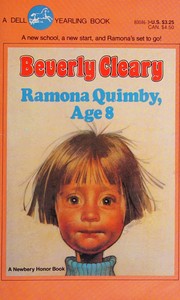
Ramona is now the same age as the reader, which changes everything: at seven she was someone to laugh at, at eight she is someone to recognise. The book takes a child's humiliations completely seriously while still being funny.
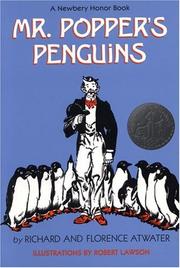
A house-painter acquires twelve penguins and takes them on tour, and the joke never runs out. It is the easiest read on this stage, so use it to start the year if last year ended on shorter books.
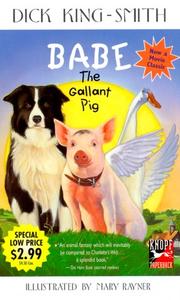
A pig raised by a sheepdog learns to herd, and the comedy sits on top of a real animal story with real stakes. Better known as Babe, and the writing is sharper than the film suggests.

The Dahl for eight rather than seven — nearly twice the length of Fantastic Mr Fox, and half its pleasure is in the invented language, which needs a reader confident enough not to be thrown by a word they cannot decode.
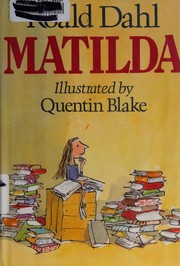
The longest Dahl most children read, and the one about reading itself. Put it at the end of the funny stage: it is the bridge to the harder books, because underneath the comedy it is about adults being unjust and a child having no recourse.
The books with a real ache in them
BeginnerMeet loss inside a story that still ends well — the emotional step that defines this year.
▸ Study plan for this stage
Pace: Two to three months. Charlotte's Web is 184 pages and should be read aloud if at all possible, a chapter or two a night over three weeks — the ending needs an adult in the room, not because a child cannot manage it but because it is better shared. Leave a clear week afterwards. The Tale of Despereau
- Charlotte's Web as the canonical eight-year-old book for one specific reason: a friend dies, permanently, and White does not soften it or explain it away
- White's prose, which is far better than the book needs — the opening line, the barn descriptions, the seasons — and which is the reason it survives being read aloud a hundred times
- That Wilbur is saved by words. The whole plot turns on writing changing what people see, which is a startlingly literary idea to put in front of an eight-year-old and one they grasp immediately
- The two responses to the ending, which are both correct: some children take it in their stride and some cry for a fortnight, and the book has worked in either case
- The Tale of Despereaux's interlocking sections — mouse, rat, servant girl — told separately and converging, which is structurally more demanding than anything in the previous stage
- DiCamillo's narrator addressing the reader directly about forgiveness, which makes the book's moral question explicit rather than implied. Some children find this thrilling and some find it bossy
- The Wild Robot's short chapters carrying serious themes — survival, belonging, what a mother is — which is why it works as the modern entry point for a resistant reader
- The general principle of this stage: the story still ends well. Eight is the year for loss inside a book that returns you safely, not for books that do not
- In Charlotte's Web, why does Charlotte help Wilbur? She says several things, and the last one is the truest.
- How does Wilbur get saved? Notice that the answer is words, and ask the child whether that surprised them.
- Was the ending sad or happy? Eight-year-olds often say both without being prompted, and the conversation that follows is one of the most valuable this whole path offers.
- In The Tale of Despereaux, which of the three characters did they most want to read about, and were they impatient during the others? That impatience is a real and normal stage in learning to hold a braided plot.
- The narrator of Despereaux talks about forgiveness directly. Did that feel like being told what to think, or like being talked to?
- In The Wild Robot, is Roz a mother? The book asks this and does not answer it flatly, which is exactly the sort of question this year is for.
- Read Charlotte's Web aloud, all of it. If you only do one thing on this entire path, do this one — the prose repays a speaking voice and the ending is better arrived at together.
- After the ending, do not immediately produce another book. Leave a week. The pause is part of the reading and filling it is a way of telling a child the loss did not count.
- Have them find the words Charlotte writes and say why each one worked. Four words, four different effects, and it is the fastest way into what the book is actually about.
- In Despereaux, read one of the narrator's direct addresses aloud and ask whether they agree with it. This is the first book on the path that invites disagreement and taking the invitation is the point.
- If a child resists Charlotte's Web because it sounds old, give them The Wild Robot first and come back. The order within this stage is negotiable; skipping the stage is not.
Next up: A reader who has sat with a real loss inside a story can now handle a book where the sadness is not invented at all, which is the step from fiction into history and into poems that say true things sideways.
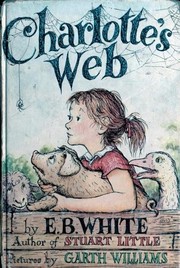
The canonical eight-year-old book, and the reason is the ending: a friend dies, permanently, and the book does not soften it. Read it aloud if you can — the prose is far better than it needs to be.

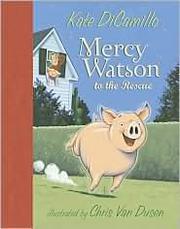
A mouse, a rat and a servant girl in interlocking sections, with a narrator who addresses the reader directly about forgiveness. It is structurally more demanding than anything above it and rewards a child who has just finished Charlotte's Web.
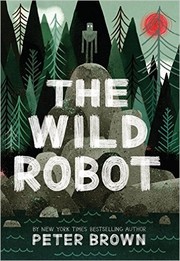
A robot washes up on an island and learns to survive by watching animals; the short chapters make it far easier than its themes. Include it as the modern entry point to this stage for a child who resists older-sounding prose.
The first history, and the first poetry they choose
BeginnerBroaden past fiction — read about the real past, and read poems for fun rather than because a teacher assigned them.
▸ Study plan for this stage
Pace: Two to three months, and the pacing here is looser than either earlier stage because two of the three books are designed to be dipped into. Little House in the Big Woods is 228 pages and reads best a chapter a night over three to four weeks — it has almost no plot and a great deal of detail, which i
- Little House in the Big Woods as the first book here that is history rather than story — a frontier childhood recorded in extraordinary domestic detail: smoking a deer, making bullets, getting through a winter
- That the book has almost no plot, and that this is the point. It is a record of how a year worked, and reading for process rather than for what happens next is a genuinely new skill at eight
- The honest caveat, which should be given to the child rather than managed around them: the series depicts Native Americans through the prejudices of the settlers, and later volumes contain lines many families now read aloud only in order to discuss them
- That a book can be genuinely canonical and genuinely dated at once, and that an eight-year-old is entirely capable of being told both things about the same book
- Horrible Histories doing what an eight-year-old actually wants from non-fiction — the gruesome facts, the jokes, and no pretence that the past was tidy or that its people were like us
- The format's real function: it converts fiction-only readers into readers of everything, because it establishes that a book of facts can be a book you choose
- Shel Silverstein's poems as short, funny, occasionally grotesque, illustrated, and readable in any order — which removes every barrier that usually stands between a child and a poetry book
- Eight as the age at which a child will pick up a poetry book unprompted, and the difference between a poem read for pleasure and a poem performed for an adult
- From Little House, can they describe how one thing was made or done — the smoked venison, the bullets, the butter? Retelling a process is the whole reading skill this book teaches.
- Would they have liked living there? Get a real answer, with reasons. The detail is the point of the book and it should produce an opinion.
- Tell them plainly what is dated about the series and ask what they think. They will have a view, and hearing them form it is more useful than any explanation you could give.
- From The Terrible Tudors, what is the single most disgusting fact they learned? Then ask whether it is true. Checking a Horrible Histories claim is a child's first act of source criticism.
- Which Silverstein poem did they read to someone else without being asked? That is the measure of whether poetry has landed.
- Of everything read this year, which book was the best? Ask it in December and write the answer down.
- Pick one process from Little House and actually do a small version of it — churn cream into butter in a jar takes fifteen minutes and turns a page of description into something they know.
- Leave The Terrible Tudors somewhere it will be picked up rather than presenting it. Non-fiction at this age works best when it looks like it was found.
- Have them read one Silverstein poem aloud to you, chosen by them, with no discussion afterwards unless they start it. Poetry read for pleasure is the goal and turning it into a comprehension exercise is the reliable way to lose it.
- Read the Little House passage that troubles you most yourself, first, before it comes up. Knowing exactly what is on the page is what lets you have the conversation calmly rather than reactively.
- At the end of the year, line up all eleven books and ask the child to put them in order, best to worst. Their ranking will not be yours, and it is the best possible starting point for choosing next year's.
Next up: This is the end of the path. A reader who has finished a novel that hurt, a book of history and a book of poems they chose is ready for nine, where the books get longer and the endings stop being guaranteed.
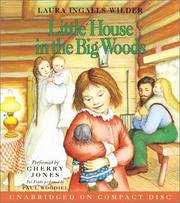
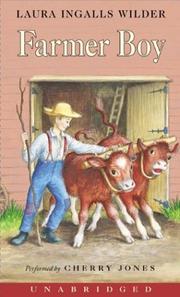
A frontier childhood recorded in extraordinary domestic detail — how to smoke a deer, make bullets, get through a winter — and the first book here that is history rather than story. Be aware before handing it over: the series depicts Native Americans through the prejudices of the settlers, and later volumes contain lines many families now read aloud only to discuss. It is genuinely canonical and genuinely dated, and an eight-year-old can handle being told both things.

Horrible Histories does the thing an eight-year-old wants from non-fiction — the gruesome facts, the jokes, and no pretence that the past was tidy. It is the format that converts fiction-only readers into readers of everything.
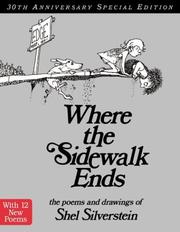
Funny, occasionally grotesque poems with line drawings, designed to be read in any order. Eight is the age at which a child will pick a poetry book up unprompted, and this is the one they pick up.
Discussion
Keep reading
Paths that share books, cover the same subject, or open a related topic.