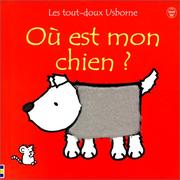
If sitting still is the problem rather than the words, start with That's Not My Puppy. One sentence a page, a patch to touch on every spread, and it survives being slammed shut after ninety seconds — which at this age is a feature. Any title in that series does the same job, so buy whichever animal your child likes. If they will already sit for a few minutes, go straight to The Very Hungry Caterpillar, which is the first book on this list most three-year-olds start reciting back to you from memory.
Three is the age of the read-aloud. Almost nothing here is read by the child, so the constraint is not reading level but how long a three-year-old will stay in one place, and that is what the order below follows: books that survive a two-minute attention span, then books built for joining in out loud, then the first picture books that carry a real story from beginning to end. Treat it as a guide rather than a test. Some three-year-olds sit through Where the Wild Things Are and some four-year-olds still want the flap books, and both are entirely normal.
Books that survive two minutes
Dear Zoo gives the child a flap to lift on every spread, so the story survives the fidgeting, and it introduces the first pattern a three-year-old can predict — another animal, another flap, another no. That prediction is the seed of following a plot.
Goodnight Moon is the one that works when nothing else does, because there is no plot to lose track of, only a room being said goodnight to. Put it at the end of the day rather than the start.
Books they join in with
The Very Hungry Caterpillar packs counting, the days of the week and a finger-sized hole on every page into a story that takes two minutes. Rosie's Walk has thirty-two words, and the entire joke — a fox flattened repeatedly behind an oblivious hen — happens only in the pictures, so read it once your child already trusts that the pictures are worth studying.
We're Going on a Bear Hunt is built to be chanted and stamped rather than read sitting down; it does not work quietly, and the bear at the end is a mild jump-scare that most children treat as the joke it is. Peepo! turns each page into a guessing game through a peephole, and the wartime family home in the background gives the adult something to look at too. Read-Aloud Rhymes for the Very Young is the forgiving option to keep alongside these: a poem takes thirty seconds, so you stop the moment attention goes rather than abandoning a story.
The first books with a real story
Mr. Gumpy's Outing is cumulative — each new passenger is a small act of suspense — so it asks a three-year-old to hold a growing sequence in mind, and the tipping-over ending is the first plot twist most children meet. Guess How Much I Love You is an argument rather than an adventure, which is a genuine step up in what a listener has to follow.
Corduroy is a proper three-act story about a department-store bear searching for a missing button. It is longer than anything above it, and it involves a toy alone in a closed shop at night, which some children find lonely rather than exciting.
Where the Wild Things Are is the end of the year: a book about a tantrum that takes the tantrum seriously, with a wordless stretch the child has to fill in themselves. It opens with a boy sent to his room without supper and runs several pages of large-toothed monsters. Some three-year-olds find the Wild Things genuinely frightening. Read those pages yourself first, then read the book together — that, rather than waiting a year, is usually the answer.
Everything here is a suggestion. There is no schedule to fall behind on, and a child who wants Dear Zoo four times in a row is doing exactly what the book is for. The full path sets out the three stages with the read-aloud times and the content notes in one place, and the four-year-old ladder picks up where this one stops.
Follow the full ordered path here: Books for 3-Year-Olds: A Read-Aloud Ladder, in Order.