Roald Dahl in Reading Order: Which Book to Read First
Dahl's children's books look interchangeable on a shelf and are not: the gap between The Enormous Crocodile and Matilda is several reading years wide, and handing a six-year-old the wrong one usually ends the experiment. This path sequences by reading age rather than publication date, running from the picture-book-length stories to the read-aloud classics, then to the longer novels a confident reader can take alone, and finishing with the two volumes of autobiography that work for adults as well as children.
Start Here: The Short Ones, Around Age Five to Seven
BeginnerBegin with the shortest Dahl books, which can be finished in one or two sittings and establish the tone — grotesque adults, resourceful children, no moralising — without demanding stamina.
▸ Study plan for this stage
Pace: Two to three weeks. All three are very short — The Enormous Crocodile is picture-book length at around 36 pages, The Magic Finger and Esio Trot around 60 each — and each is a single sitting read aloud, or two or three sittings for a child reading alone. Read The Enormous Crocodile first even if the
- The Dahl formula in its simplest form: a grotesque adult or animal, a resourceful weaker party, escalation, and a defeat rather than a reform — nobody in Dahl learns a lesson and improves
- The Enormous Crocodile is one joke repeated with increasing relish, which is exactly what a five-year-old wants and what makes it a better first Dahl than the famous titles
- The revenge structure introduced in The Magic Finger, where a punishment is proportionate and physical rather than moral, and the story ends the moment the punishment lands
- Esio Trot as the mildest thing Dahl wrote — two lonely neighbours, a tortoise, and no cruelty at all — which makes it the fallback for a child put off by the others
- The word Esio Trot is tortoise backwards, and the book's magic depends on a child noticing reversed spelling, which is worth not explaining in advance
- Length as the deciding factor at this rung: a book a beginning reader can actually finish alone does more for the habit than a better book they abandon
- Reading age and interest age are not the same thing, and a child who cannot yet read The Twits alone will still enjoy hearing it
- Which edition of each title do you own — a revised text or an unrevised one? Check the copyright page before you start.
- In The Enormous Crocodile, what is the repeated structure, and how many times does it run before the ending? Counting it tells you why it holds a young child.
- Does The Magic Finger punish or reform the hunting family? The distinction is the whole of Dahl's moral machinery in miniature.
- Which of the three would you reach for if a child said Dahl was too mean? The answer should be immediate.
- How long does each of these take to read aloud? Knowing the actual minutes changes what you can offer on a short evening.
- Read The Enormous Crocodile aloud to yourself once before delivering it. The repetitions are flat on the page and carry entirely in the voice.
- Time The Magic Finger read aloud. It runs around twenty minutes, and knowing that lets you offer it as a whole book on a night when a chapter of something longer will not fit.
- Check the copyright page of each book you own for a note about revised text. It takes a minute per book and settles the question once.
- Read Esio Trot yourself first and notice the reversed-spelling device. Deciding in advance not to point it out is the exercise.
Next up: A child who has finished three whole books alone or heard them straight through has the stamina for a chapter a night, which is the exact demand the next stage makes.
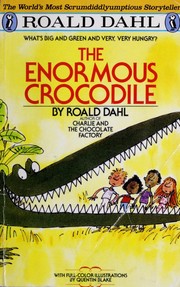
The true first Dahl for a young child: picture-book length, one joke repeated with escalating relish, and a villain who is defeated rather than reformed. Read this before anything longer.
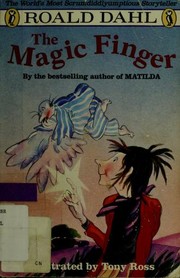
Barely thirty pages, and the first taste of the Dahl revenge structure — a family of hunters turned into ducks. Short enough that a beginning reader can finish it alone, which matters more than its literary weight.
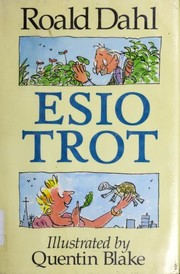
A gentle late book, a love story between two lonely neighbours conducted via a tortoise. Included here as the mildest thing he wrote, useful for a child put off by the cruelty in the others.
The Read-Aloud Classics, Around Age Six to Eight
BeginnerMove to the books that made his name, all of them ideal for a chapter a night, and get the two Dahl inventions a reader needs before the longer novels: the nonsense vocabulary and the wholly unrepentant villain.
▸ Study plan for this stage
Pace: Ten to twelve weeks at a chapter a night, which is how these were designed to be taken — Dahl's chapters are short and end on a hook with unusual consistency. James and the Giant Peach and Charlie and the Chocolate Factory run 140 to 175 pages; Fantastic Mr Fox, The Twits and George's Marvellous Med
- James and the Giant Peach as the template in its least complicated form — orphan, monstrous guardians, escape, found family — and the first of Dahl's books to run at novel length
- Charlie's structure is a countdown: four children are removed in sequence, each by the vice they display, which is a shape a young listener can predict and enjoy predicting
- The Oompa-Loompas' songs as the moral commentary the narration refuses to supply, and a place where revised and unrevised editions differ noticeably
- Fantastic Mr Fox as the tightest plot Dahl wrote — three farmers, one fox, one tunnel — and the first of these a child is likely to finish without a nightly adult
- The Twits as the cruelty test: it is the funniest and the meanest, and how a particular child receives it predicts how the rest of the shelf will go
- George's Marvellous Medicine as the book most adults hesitate over, and the case for handing it over anyway — the comedy depends entirely on the reader knowing the boy is doing something outrageous
- Dahl's nonsense vocabulary begins here in small doses and becomes a whole invented language two stages later, so early exposure is preparation
- The unrepentant villain as a Dahl invention: nobody apologises, nobody is redeemed, and children find this enormously reassuring rather than bleak
- In James, how many sentences does Dahl spend on the parents' deaths, and what does that brevity do to the tone of everything after?
- Which of Charlie's four punished children is treated most harshly, and does the punishment fit? The book invites the arithmetic.
- Fantastic Mr Fox has no fantasy element beyond talking animals. What is holding the reader instead?
- Where in The Twits does the comedy tip into something a particular child might not enjoy? Name the specific prank.
- In George's Marvellous Medicine, does the book ever suggest the boy has done something dangerous? Decide what you want to add, if anything.
- Time one chapter of Charlie read aloud. Most run six to eight minutes, which is why the chapter-a-night pattern works, and knowing the number makes the whole book schedulable.
- Read the Oompa-Loompa songs aloud yourself before you reach them. They are verse, they have a meter, and delivered flatly they fall over.
- Read the ingredients list in George's Marvellous Medicine on your own first and decide in advance, in one sentence, what you want to say about it. Improvising this mid-chapter rarely goes well.
- Read The Twits yourself in one sitting — it takes under an hour — before offering it. It is the book on this stage where knowing the contents in advance matters most.
- Keep a note of which chapter endings produce a request for one more. Dahl engineered those hooks and the pattern is visible after a fortnight.
Next up: A reader who has taken five short novels at a chapter a night has both the stamina and the tolerance for Dahl's cruelty, which is what the longer books assume before they start asking for anything else.
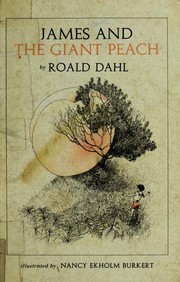
His first children's book and the right first full-length one. An orphan, two monstrous aunts, and a peach full of talking insects — the template for everything after it, in its least complicated form.
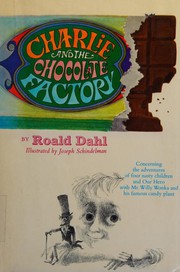
The most famous, and read second rather than first because its structure — four children punished in sequence — is easier to enjoy once James has established that Dahl's world runs on poetic justice.
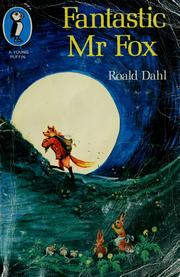
Short, fast and the tightest plot he ever wrote: three farmers, one fox, and a tunnel. A good next step because it holds a young reader without needing a nightly adult.
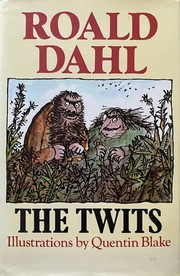
The cruellest and funniest of the short books, a marriage conducted entirely through practical jokes. Place it after Fantastic Mr Fox — some children find it a step too far, and it is easier to judge that once you know how they take Dahl generally.

A boy poisons his grandmother with household chemicals and the book thinks this is funny. Catalogued under the American spelling George's Marvelous Medicine. Worth knowing what you are handing over — and worth handing over anyway.
The Longer Novels, Around Age Eight to Eleven
IntermediateTake on the four full-length books where Dahl is genuinely a novelist, with real emotional stakes underneath the comedy, and where the reading demand steps up sharply.
▸ Study plan for this stage
Pace: Three to four months. These are all around 200 to 240 pages and are genuine novels rather than extended jokes. The BFG comes first because its invented language takes fifty pages to acclimatise to and is best met while an adult is still reading aloud. Danny second, as the emotional outlier. The Witc
- The BFG's Gobblefunk as a language a reader has to acquire while reading, which is a real and unusual demand and the reason this book sits at the start of the stage
- Sophie and the giant as the most sustained relationship Dahl wrote, and the only one that is not built on revenge
- Danny the Champion of the World as the outlier with no magic at all — a boy, a father, a caravan and a poaching plot — and Dahl's own stated favourite
- Why the absence of monsters makes Danny harder rather than easier: the emotional stakes are unprotected by fantasy, and children often name it as the one that made them cry
- The Witches' refusal to undo its own ending, which is the single most discussed decision in Dahl's children's work and the reason the book is placed third rather than first
- The grandmother in The Witches as a rare Dahl adult who is neither grotesque nor useless, and the model for the good adults in Matilda
- Matilda as a book about a child who reads her way out of a family that despises her, which lands hardest on a child who has been reading Dahl for two years already
- The reading demand steps up sharply across this stage in length, vocabulary and emotional weight, and a child may be ready for one of these and not the next
- How long does it take you to stop noticing the Gobblefunk in The BFG? The answer is a decent proxy for how a child will experience the first chapters.
- In Danny, what does the father do that is illegal, and how does the book position the reader towards it? Dahl is not neutral.
- The Witches ends with the transformation left in place. What would the book lose if it were reversed?
- What does Matilda actually do with her power, and why does she stop needing it by the end?
- Which of these four is the hardest, and is it the longest? The two answers are not the same and the difference is the point of this stage.
- Read the first chapter of The BFG aloud before handing it over. Gobblefunk is easier heard than read and one spoken chapter often carries a child through the rest.
- Read the pit scene in Danny yourself first so you know how long it runs and where it releases. It is the passage most likely to want you nearby.
- Read the last two pages of The Witches yourself before starting the book, then decide whether you want to be in the room at the end. Both answers are defensible; being surprised by it is the one to avoid.
- Keep a list of the books Matilda reads in the library chapter. It is a real reading list and it is the most useful thing in the book for a child at this rung.
- Leave a week after The Witches before starting Matilda. The gap is doing work the next title cannot.
Next up: With the four major novels finished, what remains is the material Dahl wrote without a child reader specifically in mind, which is where an adult can join in rather than hand over.

The pivot book. Longer, warmer, and built on an invented language a child has to learn as they read. The friendship between Sophie and the giant is the most sustained relationship in his work.

The quiet outlier: no magic, no monsters, just a boy, his father and a poaching plot. Dahl's own favourite and the most emotionally direct thing he wrote. Catalogued as Danny, The Champion of the World.

The frightening one, and the reason it sits here rather than earlier: a boy is turned into a mouse and stays a mouse, and the ending refuses to undo itself. Read after The BFG, whose giants make the witches survivable.
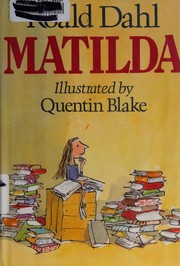
The last major children's novel and the natural summit of this path — a book about a child who reads her way out of a family that despises her, which lands hardest on a child who has been reading Dahl for two years already.
The Sequels and the Autobiography
IntermediateClose out with the direct sequel and the two memoirs, which are where Dahl stops writing for children specifically and where an adult reader can join in.
▸ Study plan for this stage
Pace: Six to eight weeks, and the first stage on the path an adult may simply want to read for themselves. Charlie and the Great Glass Elevator is around 175 pages and takes a week; read it only after Matilda, because it is a curiosity rather than a step forward. Boy is around 180 pages of short episodes
- Charlie and the Great Glass Elevator as the strangest thing in the children's shelf — space hotels, Vermicious Knids, an American president played entirely for farce — and structurally unlike its predecessor
- Why it goes last rather than immediately after Charlie: it assumes the reader is well past needing the chocolate factory explained, and it rewards a reader who has grown out of it
- Boy as the origin story for the sadistic headmasters, the terrifying matrons and the appetite for revenge that runs through every earlier book on this path
- The memoir reads exactly like the fiction, which is simultaneously the pleasure and the problem — Dahl was a shaper of anecdotes and the book does not pretend to be a document
- Going Solo as the best-written thing under his name: East Africa, then flying with almost no training, told with the comic timing of the children's books and none of their protection
- The two memoirs work for adults as well as children, which makes them the natural place for a shared read rather than a handover
- That an autobiography by a famous storyteller is a constructed thing is a genuinely useful idea for a reader of eleven or twelve, and Boy is the ideal book to have it about
- Which incidents in Boy map onto which invented villains? The list is longer than the obvious headmaster case.
- Where do you suspect Boy of shaping the story rather than reporting it, and what tipped you off?
- Going Solo has no children in it. What is still recognisably Dahl in the prose?
- Charlie and the Great Glass Elevator abandons the first book's structure entirely. Is it a failure, a sequel, or a different kind of book?
- Having read the path, which single Dahl would you hand to a child who had read none? And has that answer changed since you started?
- Read the school chapters of Boy yourself before offering them. They contain the beatings, and knowing which pages they occupy lets you choose the moment rather than meet it.
- Read one anecdote from Boy and one chapter from The Twits back to back, then write two sentences on the shared technique. The continuity is the most interesting thing on this stage.
- Read the crash chapter of Going Solo aloud to yourself. It is the best paragraph-level writing on this path and it is built for the voice.
- Write your own six-book Dahl sequence for a child you actually know, disagreeing with this path wherever you now think it is wrong. You have the evidence to justify a different order.
- Decide, in one sentence and in advance, what you would say if a child asked what Dahl was like as a person. Having the words ready is the whole exercise.
Next up: This is the end of the path. The natural next step for a reader who has finished Going Solo is Dahl's adult short stories, which are the same voice with the child reader removed and the cruelty left entirely unsupervised.
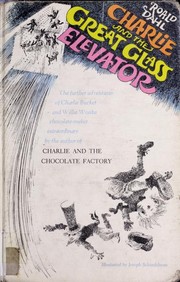
The sequel to Charlie, and much stranger — space hotels, Vermicious Knids, a US president played for farce. Read it only after Matilda; it is a curiosity rather than a step forward.

His childhood memoir, published as Boy: Tales of Childhood, and the book that explains where the sadistic headmasters came from. Reads exactly like the fiction, which is part of the problem and all of the pleasure.
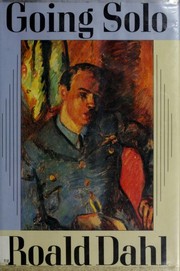
The sequel to Boy: East Africa, then flying Hurricanes in Greece with almost no training. The best-written thing under his name and the right last stop, for a teenager or an adult, on a path that started with a crocodile.
Discussion
Keep reading
Paths that share books, cover the same subject, or open a related topic.