If you want one book to hand a ten-year-old this week, make it Wonder. A boy with a facial difference starts mainstream school, and the story rotates between narrators — his sister, his friends, his sister's boyfriend — so the reader watches the same events be unfair in different ways. It runs to around 370 pages, which puts some adults off, but the chapters are two or three pages each and children who baulk at long books finish it anyway.
Ten is a different year from nine in one specific way. A nine-year-old reads a sad book and recovers; a ten-year-old reads one and thinks about it for a week. So the sequence below is ordered by emotional weight rather than by difficulty, and none of it is a schedule. A ten-year-old rereading a favourite series for the fourth time is reading properly. Interest, not reading level, should decide what comes next — and if a book here looks too much, the nine-year-old ladder has gentler versions of the same moves.
Novels about being ten
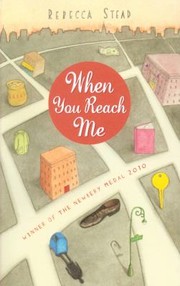
After Wonder, give them When You Reach Me. It is a 1970s New York friendship story that turns out to be a time-travel mystery, and it withholds which it is until the end — a good second book for a reader who has just spent 370 pages noticing structure.
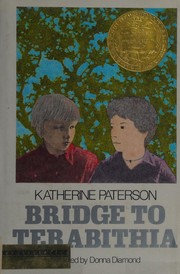
Then Bridge to Terabithia, and leave a clear gap first. Two children invent a kingdom in the woods and one of them dies suddenly and pointlessly. Say plainly what is in these: Wonder turns on sustained bullying and on adults who handle it badly, and includes the death of a pet. Bridge to Terabithia ends with the accidental death of a child, described without consolation and not foreshadowed in a way a first-time reader will catch. Read the last thirty pages yourself before you pass it on.
Fantasy long enough to live inside
The Lightning Thief puts the Greek gods in modern America and is the easiest book in this stage, so start there — and expect the other four in the series to arrive behind it. The Girl Who Drank the Moon asks more of the reader, assembling its plot from several timelines, and repays it with much better prose.
The Graveyard Book is the darkest thing here: a toddler whose family is murdered is raised by the dead. The killings happen off the page but are unmistakable, and the first chapter is genuinely frightening; because the rest is a set of linked stories, a child can stop after any chapter. Save The Hobbit for last. Its sentences are the most demanding on this list, which is why it sits at ten rather than nine, and it contains battle deaths including named characters.
History that happened to children
Number the Stars is the standard first Holocaust novel for this age — a ten-year-old in occupied Copenhagen hides her Jewish best friend, the danger is real and the horror stays offstage. Goodnight Mister Tom is markedly harder in every respect: an abused evacuee is billeted on an elderly widower, the abuse is described rather than implied, and the book includes the death of an infant and of a friend. Read it yourself first.
Bomb is full-length narrative non-fiction about the race to build the atomic bomb, paced like a thriller, and it covers Hiroshima and Nagasaki directly. Reading a true story at that length is the real new capability of this year.
The one that changes what a book can do
Northern Lights is an excellent novel that happens to have a child protagonist, and everything above is preparation for it. One thing worth knowing before you buy: it was published in the United States as The Golden Compass. Same book, different cover, not a sequel. Children are abducted and severed from their daemons, one is found in a distressing state, and there is a betrayal that is the book's cruellest moment. It also runs a sustained argument against institutional religion, which becomes far more explicit in the two sequels. Both facts are worth knowing; neither is a reason to withhold it.
The full path sets these out stage by stage, with page counts, pacing and the content notes in one place.
Follow the full ordered path here: Books for 10-Year-Olds: The Best Middle-Grade Novels, in Order.