Writing believable dialogue is one of the hardest skills in fiction and screenwriting, because good dialogue is never really about the words on the surface, it is about what characters want and will not say. That means you cannot learn it in isolation. A sensible reading order starts with story and character, moves into dialogue and subtext specifically, then finishes with revision. This path builds that foundation up.
Start wide, with how scenes and characters work, before drilling into the lines themselves.
Story and character first
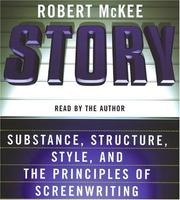
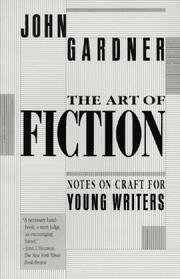
Begin with Story by Robert McKee, the influential guide to structure that explains why a scene exists before you worry about its words, and The art of fiction by John Gardner, a deeper meditation on craft and the writer's eye. Writing Fiction by Janet Burroway then gives you a comprehensive, workshop-tested grounding in scene, character, and voice.
Dialogue and subtext
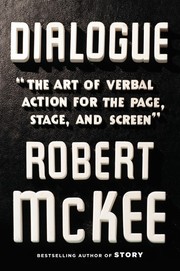
Now go straight at the target. Dialogue, McKee's dedicated volume, breaks down what dialogue does and how to make it carry meaning, and The Subtext Workbook by Linda Seger trains you in the unspoken layer that makes exchanges feel real. The Art of Dramatic Writing by Lajos Egri grounds all of it in character motivation and conflict, the engine under every good line.
The screen and the polish
Screenwriting lives or dies on dialogue, so learn from it. Screenplay by Syd Field and Writing the Character-Centered Screenplay by Andrew Horton teach scene-level craft, while Adventures in the screen trade by William Goldman offers a working screenwriter's hard-won wisdom. Finish with Revision and Self Editing for Publication by James Scott Bell, because great dialogue is made in the rewrite.
Read in this order, you build dialogue on a foundation of story and character instead of chasing clever lines. Follow the full path to work through it.
Follow the full reading path →
Ready to learn something deeply?
Build a reading path — free