How to Write YA Fiction: Best Books, in Order
This curriculum takes a beginner YA writer from the ground up—first understanding what makes YA distinct as a category, then mastering its core craft elements (voice, character, plot), and finally tackling the professional and market-level skills needed to write and sell a compelling YA novel. Each stage builds directly on the last, so foundational instincts are in place before advanced technique is introduced.
What Is YA? Foundations of the Category
BeginnerUnderstand what defines YA as a distinct literary category—its emotional contract with readers, its unique voice, and how it differs from adult and middle-grade fiction.
▸ Study plan for this stage
Pace: 4–5 weeks, ~25–30 pages/day. Start with Halverson's foundational chapters (weeks 1–2), then move to Maass's breakout principles applied to YA (weeks 3–5).
- The emotional contract of YA: how YA readers expect authentic emotional stakes, character agency, and hope despite conflict
- YA voice and perspective: first-person immediacy, present-tense urgency, and the protagonist's limited worldview as defining stylistic markers
- The distinction between YA, middle-grade, and adult fiction: protagonist age, thematic complexity, sexual content, and reader expectations
- The breakout novelist's concept of originality and authenticity: how YA demands both fresh angles on universal teen experiences and genuine emotional truth
- Character interiority in YA: the necessity of deep POV that reveals the protagonist's thoughts, fears, and growth arc
- Plot structure specific to YA: how external conflict mirrors internal transformation and how stakes escalate through the protagonist's choices
- The role of voice and relatability: how YA protagonists must feel real and flawed, not preachy or artificially mature
- Identifying and avoiding YA clichés: recognizing tired tropes and how to subvert or transcend them through authentic storytelling
- What is the emotional contract between a YA author and reader, and how does it differ from the contract in adult fiction?
- How does YA voice differ stylistically from adult fiction voice, and why is authenticity crucial to that voice?
- What are the key differences between YA, middle-grade, and adult fiction in terms of protagonist age, themes, and reader expectations?
- How does Donald Maass define 'breakout' fiction, and what does that concept mean specifically for YA writers?
- Why is character interiority and deep POV essential in YA, and how does it serve the emotional arc?
- What are three common YA clichés or tropes, and how can a writer subvert or transcend them?
- Read and annotate 2–3 YA novels from different subgenres (contemporary, fantasy, sci-fi) while reading Halverson; identify voice, POV, and emotional stakes in each.
- Write a 500-word scene in authentic YA voice featuring a teen protagonist facing a low-stakes internal conflict; focus on thought patterns and emotional immediacy.
- Create a comparison chart: list 5 scenes from your annotated YA novels and note how each one serves both external plot and internal character transformation.
- Identify one YA cliché or trope you notice across multiple books; write a 300-word analysis of why it's effective or tired, then brainstorm a fresh angle.
- Write two versions of the same scene—one in adult voice and one in YA voice—with the same protagonist and conflict; reflect on how voice changes emotional impact.
- Develop a one-page character profile for a potential YA protagonist, including their voice, emotional wound, external goal, and internal need; test it against Maass's authenticity principles.
Next up: This foundation in YA's emotional contract, voice, and character-driven structure prepares you to dive into craft-specific techniques—plot structure, dialogue, pacing, and genre conventions—that bring these foundational principles to life on the page.

The most accessible and comprehensive entry point for beginners; covers the YA market, reader expectations, voice, and structure in plain language before any other craft study begins.

Introduces the concept of emotional stakes and high-tension storytelling that is the engine of all commercial fiction, including YA—read early to understand what 'breakout' quality means before diving into genre specifics.
Voice & Character: The Heart of YA
BeginnerDevelop a compelling, authentic teen voice and learn to build protagonists whose inner lives drive the story—the two elements that most define successful YA.
▸ Study plan for this stage
Pace: 4–5 weeks, ~25–30 pages/day. Start with Gardner's foundational work (1 week), move to Burroway's practical techniques (1.5 weeks), then synthesize with James's story-driven approach (1.5 weeks). Build in 3–4 days for integration and revision exercises.
- Authorial distance and narrative perspective: how close or distant the narrator is from the character determines voice authenticity (Gardner)
- Concrete sensory detail and 'showing' over telling: using specific images and actions to reveal character rather than exposition (Burroway)
- Character voice as distinct dialect, rhythm, and diction: how word choice and sentence structure embody a teen protagonist's unique consciousness (Burroway & Gardner)
- The inner life as plot engine: how a character's desires, fears, and contradictions generate authentic conflict and drive story forward (James)
- Dialogue as character revelation: using speech patterns, subtext, and what characters don't say to build voice (Burroway)
- Point of view consistency: maintaining a believable perspective that serves both intimacy and reader engagement in YA (Gardner & Burroway)
- Emotional truth over plot mechanics: prioritizing authentic character experience and motivation as the foundation for compelling YA (James)
- How does authorial distance shape the reader's relationship with a YA protagonist, and how do you calibrate it for teen readers? (Gardner)
- What is the difference between telling a character's emotion and showing it through concrete action and sensory detail? (Burroway)
- How can a character's unique voice—dialect, rhythm, vocabulary—be woven into narrative prose and dialogue to feel authentic rather than gimmicky? (Burroway & Gardner)
- Why does James argue that story should trump structure, and how does this principle apply to building character-driven YA narratives? (James)
- What makes a character's inner conflict compelling enough to sustain a YA novel, and how do you avoid melodrama? (James & Gardner)
- How do you use dialogue and subtext to reveal character voice and motivation without relying on internal monologue or exposition? (Burroway)
- Write 3–4 short scenes (500 words each) featuring the same moment from different authorial distances (close third, distant third, first-person) to feel how perspective shapes voice. Use Gardner's concept of distance to identify which serves your protagonist best.
- Rewrite a scene of emotional conflict using only concrete action, dialogue, and sensory detail—no internal explanation. Then compare it to a version with exposition. Identify what Burroway calls the power of 'showing.'
- Create a voice journal for a teen protagonist: document their speech patterns, vocabulary, sentence rhythms, what they'd never say, their cultural/regional dialect markers. Write 2–3 pages of their internal monologue and dialogue to establish consistency.
- Identify the core inner conflict of a YA story idea (using James's principle that story trumps structure). Map how this character's desires, fears, and contradictions generate at least 3 major plot turns without relying on external events.
- Write a dialogue-heavy scene (300–400 words) between your protagonist and another character where subtext drives the tension. What does each character want? What are they NOT saying? Annotate the subtext beneath each line.
- Revise an opening chapter of your YA manuscript using all three authors' lenses: check for consistent authorial distance (Gardner), replace telling with showing (Burroway), and ensure the protagonist's inner life is the engine of conflict (James).
Next up: Mastering authentic voice and character-driven motivation prepares you to structure these compelling inner lives into a full narrative arc—the next stage will teach you how to sustain tension, escalate stakes, and resolve character journeys in ways that honor the emotional truth you've now learned to build.
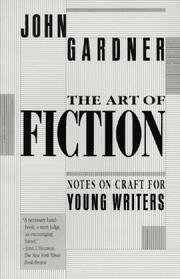
Establishes the foundational craft vocabulary—scene, summary, point of view, fictional dream—that every later craft discussion assumes; read this before more YA-specific voice books.
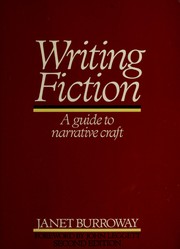
The most widely used university fiction-writing textbook; its chapters on character, voice, and showing vs. telling give beginners a rigorous framework to apply directly to YA protagonists.
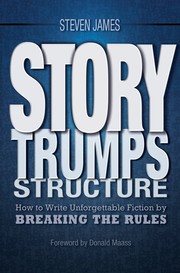
Argues that authentic character desire and escalating tension matter more than formula—a crucial corrective before a YA writer gets locked into rigid plot templates.
Plot & Structure for YA
IntermediateMaster the structural tools—three-act form, scene construction, pacing, and subplots—that keep YA readers turning pages through a full novel.
▸ Study plan for this stage
Pace: 4–5 weeks, ~25–30 pages/day. Week 1–2: "Save the Cat!" (complete); Week 3–5: "Story" (chapters 1–8 on structure, scene, and character arc)
- The Save the Cat beat sheet: 15 structural beats that create narrative momentum and emotional resonance in YA novels
- McKee's concept of the scene as the fundamental unit of storytelling—how each scene must have clear purpose, conflict, and change
- Three-act structure and how it applies specifically to YA: setup, confrontation, and resolution with age-appropriate stakes
- Pacing through act breaks, turning points, and the midpoint reversal—how to control reader tension across 300–400 pages
- Subplot architecture: weaving B-stories (romance, friendship, family) that deepen theme without derailing the A-plot
- The inciting incident and pinch points: how to plant and escalate pressure on your protagonist in ways YA readers expect
- Story structure as a contract with the reader: establishing genre, tone, and promise early so YA audiences feel satisfied, not cheated
- How do the 15 Save the Cat beats map onto a three-act structure, and which beats are most critical for maintaining YA pacing?
- What is the difference between a scene and a sequence, and how does McKee's scene analysis help you diagnose pacing problems in your own draft?
- How would you construct a subplot (e.g., a love triangle or family conflict) so it mirrors or complicates the main plot without overwhelming it?
- What happens at the midpoint of a YA novel, and why is it a turning point rather than just a plot twist?
- How do the inciting incident and first pinch point work together to establish stakes and pull your protagonist past the point of no return?
- How can you use Save the Cat's 'break into two' and McKee's scene principles to revise a sagging second act?
- Map the Save the Cat beat sheet onto a YA novel you admire (e.g., The Hunger Games, Six of Crows, or The Cruel Prince). Identify where each beat occurs and note how it serves the story's momentum.
- Take a scene from your own manuscript or a published YA novel and analyze it using McKee's scene framework: What is the character's objective? What opposes them? What changes by the scene's end? Rewrite it to strengthen the change.
- Create a detailed outline of your YA novel using both the Save the Cat beats and a three-act structure. Mark the inciting incident, midpoint, and climax. Verify that your subplots intersect the main plot at key turning points.
- Write a 'subplot map' for your novel: list your A-plot, B-plot (romance or friendship), and C-plot (internal/thematic). Show how each subplot escalates in parallel with the main story and converges at the climax.
- Identify the pinch points in a YA novel you're studying. At what page numbers do they occur? How do they raise stakes or reveal new information? Apply this pacing to your own manuscript.
- Revise a weak or slow scene from your draft by applying McKee's principle that every scene must have a clear want, obstacle, and outcome. Rewrite it so the character's situation or understanding shifts.
Next up: This stage equips you with the structural skeleton and scene-level craft to build a complete, page-turning YA novel; the next stage will layer in character development, voice, and dialogue—the elements that make readers *care* about the plot you've constructed.

Snyder's beat sheet is the most widely used structural template in commercial fiction and film; learning it here gives a concrete scaffold before moving to more nuanced structural theory.
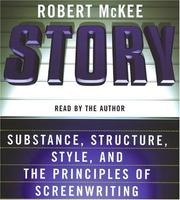
The deepest treatment of scene-level conflict, turning points, and act structure available; after Snyder's accessible overview, McKee's rigor elevates a writer's understanding of why each scene must exist.
Advanced YA Craft: Theme, Market & Revision
ExpertRefine a complete YA manuscript with professional-level revision skills, understand how theme and subtext operate beneath the surface, and learn how the YA publishing market actually works.
▸ Study plan for this stage
Pace: 8–10 weeks, ~25–30 pages/day (alternating between both books; start with Kole for weeks 1–3, then Bell for weeks 4–6, then return to Kole's advanced sections and Bell's revision exercises for weeks 7–10)
- How theme operates as the emotional/philosophical spine of YA fiction, distinct from plot, and how to weave it through character arcs and subtext
- The specific expectations and commercial realities of the YA publishing market: what agents and editors actually want, genre conventions, and audience expectations
- Revision as a multi-pass, structural process—not line-editing—including developmental revision, pacing, and dialogue refinement
- Self-editing techniques for identifying and fixing common YA weaknesses: telling vs. showing, voice consistency, emotional authenticity, and age-appropriate complexity
- How to use reader feedback and critique effectively to strengthen a manuscript without losing your authorial voice
- The relationship between character voice, POV, and theme in YA—how these elements must work in concert
- Market positioning: understanding comp titles, subgenres, and how to position your YA manuscript competitively
- What is the difference between theme and plot in YA fiction, and how do you embed theme through character decisions rather than authorial commentary?
- What does the current YA publishing market actually want, and how do you research and identify comp titles that position your manuscript competitively?
- What are the key differences between developmental revision and line-editing, and why must developmental revision come first?
- How do you identify and eliminate telling (exposition, summary, author intrusion) in favor of showing (scene, dialogue, sensory detail) in YA?
- What role does voice play in YA fiction, and how do you maintain consistency while allowing for character growth?
- How do you use critique feedback to improve your manuscript while preserving your unique authorial voice and vision?
- Read 3–5 recent YA comp titles (published in the last 2–3 years) and create a comp title analysis document: genre, subgenre, target age range, theme, comparable sales, and how your manuscript fits or differs
- Take a chapter from your YA manuscript and perform a 'theme audit': highlight every moment where theme is reinforced through character action, dialogue, or internal conflict; identify gaps where theme could be deepened
- Perform a full developmental revision pass on your manuscript using Bell's multi-pass method: one pass for structure/pacing, one for character consistency, one for dialogue authenticity, one for showing vs. telling
- Select 5–10 pages of your manuscript with heavy exposition or telling; rewrite them using only scene, dialogue, and sensory detail—no author summary or explanation
- Conduct a voice consistency audit: read 3 chapters aloud and identify moments where your protagonist's voice wavers; create a voice guide (speech patterns, vocabulary, emotional register) and apply it consistently
- Exchange your manuscript with a peer YA writer and provide structured feedback using Kole's framework for what makes YA compelling; revise based on their feedback while maintaining your vision
Next up: This stage equips you with the craft knowledge, market awareness, and revision discipline to produce a polished, market-ready YA manuscript—preparing you for the next stage of agent querying, submission strategy, and navigating the publishing process itself.

Written by a former literary agent who specialized in YA and middle grade; covers voice, character arc, pacing, and what agents and editors specifically look for—essential market-level knowledge at this stage.
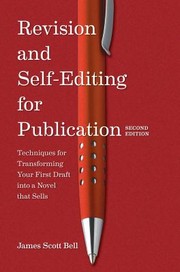
Provides a systematic, scene-by-scene revision process; placed last so the writer applies every craft concept learned across the curriculum to a complete draft.
Discussion
Keep reading
Paths that share books, cover the same subject, or open a related topic.