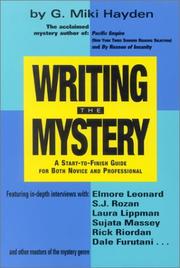
Writing fiction: an ordered path through the craft, from scene to story
This curriculum takes a beginner fiction writer from foundational craft instincts all the way to advanced stylistic mastery, moving through four tightly sequenced stages. Each stage builds on the last: you first absorb the writer's mindset and story fundamentals, then drill into the core technical elements (POV, dialogue, scene), then study how masters deploy style and structure at the novel level, and finally internalize craft through the lens of working professionals who write about writing from the inside.
Foundations: The Writer's Mindset & Story Basics
BeginnerDevelop the daily habits, creative confidence, and basic vocabulary of fiction craft — understanding story, character, and the writer's relationship to their own work before diving into technique.
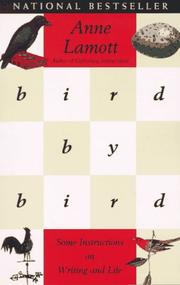
The perfect first book for any writer: it dismantles perfectionism, establishes the habit of showing up, and introduces the idea of the 'shitty first draft' — essential permission for a beginner to actually write. Its warmth makes craft feel approachable.
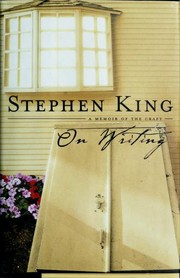
Half memoir, half masterclass, this book gives beginners a clear, no-nonsense framework for story, character, and revision. King's direct voice and concrete advice (read widely, write daily, kill your darlings) builds the intuition needed for every stage ahead.
Core Craft: Scene, Dialogue, and Point of View
BeginnerMaster the three technical pillars of fiction at the sentence and scene level — how to write a scene with tension, make dialogue crackle, and control whose head the reader is in.
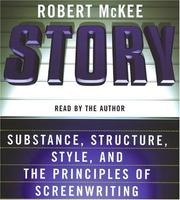
Though rooted in screenwriting, McKee's rigorous breakdown of scene, conflict, and turning points is the clearest available explanation of how dramatic tension works — vocabulary every fiction writer needs before tackling POV and dialogue in depth.
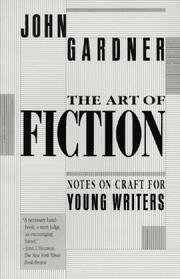
Gardner introduces the concept of the 'fictional dream' and gives precise, literary guidance on point of view, psychic distance, and the sentence-level choices that make prose vivid or flat. Read after McKee so you can apply dramatic logic to literary technique.
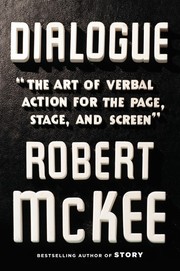
A focused deep-dive into the craft of dialogue across all narrative forms. After Gardner's grounding in POV and psychic distance, this book teaches how characters reveal themselves through what they say — and crucially, what they don't.
Going Deeper: Structure, Style, and the Longer Form
IntermediateUnderstand how to sustain a story across a full short story or novel — controlling structure, developing a distinctive prose style, and making every element (setting, image, rhythm) serve the whole.
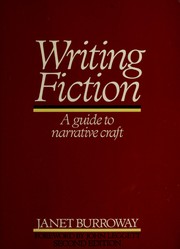
The most widely used university fiction-writing textbook, it synthesizes everything from the previous stage — scene, dialogue, POV, style — into a unified, practical framework with exercises. It's the connective tissue that turns isolated skills into a working process.
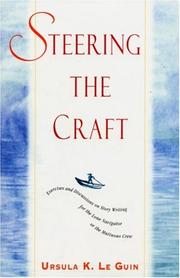
Le Guin's slim, elegant guide focuses entirely on the music of prose — sentence rhythm, voice, tense, and the sound of language. After Burroway and Maass, this sharpens the writer's ear and pushes style from functional to distinctive.
Advanced Mastery: Craft from the Inside
ExpertInternalize craft at the level of a working literary artist — understanding how great writers make structural and stylistic choices, and developing the critical eye to revise your own work with authority.

An anthology paired with craft essays by the story writers themselves, this book teaches advanced craft by showing it in action. Reading masters discuss their own choices in POV, structure, and style cements everything learned in prior stages.

Forster's classic lectures on story vs. plot, flat vs. round characters, and the novel's 'rhythm' are essential reading for any writer ready to think seriously about long-form fiction. Its ideas reward re-reading at every career stage.
Discussion
Keep reading
Paths that share books, cover the same subject, or open a related topic.