National Book Award Winners: Where to Start with the Fiction Winners
The National Book Award was created in 1950 by the American book trade and is judged by panels of working writers, which makes it the writers' prize where the Pulitzer is the board's prize — the same year frequently produces two entirely different American novels of record. It is open only to US citizens, and its history includes one genuine farce: through the early 1980s it was briefly rebranded the American Book Awards with dozens of trade categories and a televised ceremony, which the literary world mocked until it was reversed. Read by difficulty rather than chronologically, the fiction winners run from short contemporary novels to the postwar canon to the books the judges chose knowing they would be argued with.
Recent and Readable
BeginnerStart with three short recent winners and see immediately how much stranger the writers' panels are willing to be than a general-readership prize.
▸ Study plan for this stage
Pace: Five to six weeks. The Friend is around 220 pages of short essayistic sections and reads in a week. Interior Chinatown is under 290 pages formatted as a screenplay, which makes it the fastest book on the whole path — two or three sittings. Let the Great World Spin is around 350 pages in a dozen voic
- What kind of prize this is: the National Book Award is judged by panels of working writers where the Pulitzer is decided by a board, which is why the same year often produces two entirely different American novels of record
- The award is open only to United States citizens, which is a real constraint on what can win and distinguishes it sharply from the Booker
- The Friend's method — a grief novel written as an essay, quoting other writers on suicide and on dogs, with a narrative that keeps declining to become a plot
- Nunez's refusal of sentiment as a technical achievement rather than a temperament: the dog is never made to stand for the dead man, and the book says so
- Interior Chinatown's screenplay format as the argument, not the gimmick — the character is stuck in a role, and the form is the cage
- That a panel of writers gave its top fiction prize to a book that barely looks like a novel, which is the single most useful fact about this award's taste
- Let the Great World Spin's linked-narrative structure, in which a dozen lives orbit one event and barely touch, a shape the award has rewarded repeatedly
- The wire-walk between the towers as an organising image rather than a subject: the novel is about the city underneath, and the walker is barely a character
- In The Friend, what does the narrator conclude about why her friend killed himself, and how does Nunez avoid the shape a grief novel usually takes?
- How much of The Friend is quotation and paraphrase of other writers? Notice the proportion and ask what it is doing.
- In Interior Chinatown, what changes when the format breaks? Locate the exact point and say what it releases.
- In Let the Great World Spin, which two narrators are furthest apart, and what does McCann use to connect them?
- All three books were chosen by writers rather than by a general-readership board. On the evidence of these three, what do writers reward that a board might not?
- Read Interior Chinatown in one sitting. It takes about three hours and the format's cumulative effect is lost across a week.
- List the writers Nunez quotes in The Friend as you go. The list is effectively a bibliography on grief and is one of the book's real offerings.
- For Let the Great World Spin, write one sentence per narrator identifying their connection to the wire walk. Some have none, and finding out which is the exercise.
- Compare the National Book Award and Pulitzer fiction winners for any two of the last twenty years. Ten minutes of looking them up demonstrates the difference between the two prizes better than any description.
Next up: You now know the panel will reward formal risk and refuse sentiment, which is the right expectation for the four books that define what the award has come to mean.

A woman inherits a Great Dane from a friend who has killed himself. Short, dry, essayistic, and about grief without ever being sentimental — the perfect first National Book Award winner and a fair sample of the panel's taste.

A novel formatted as a screenplay, about an actor trapped in the role of Generic Asian Man. Read it second: it is the shortest book here and it establishes that the award will hand its top fiction prize to something that barely looks like a novel.
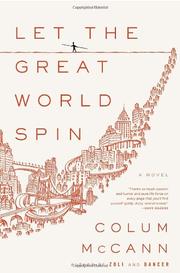
New York in 1974, orbiting the man who walked a wire between the towers, told through a dozen lives that barely touch. A conventional book after two unconventional ones, and the best demonstration of the linked-narrative structure the award keeps rewarding.
The Contemporary Core
IntermediateRead four winners from the last thirty years that define what the award now means, including the only living writer to have won the fiction prize twice.
▸ Study plan for this stage
Pace: Ten to twelve weeks. Read the two Wards back to back — Salvage the Bones at around 275 pages first, then Sing, Unburied, Sing at around 300, with no other book between them; the second assumes a reader already used to her register. The Shipping News is around 345 pages and its clipped, frequently ve
- Ward's first-person present tense as the engine of Salvage the Bones: twelve days, one narrator, a countdown to a storm the reader knows is coming and the family does not
- Esch's reading of Medea alongside her own pregnancy, which is the novel's classical frame and is stated openly rather than buried
- Sing, Unburied, Sing's move into the supernatural — two ghosts riding in a car — and the argument that this is realism about the American South rather than a departure from it
- That Ward is the only living writer with two National Book Awards for fiction, and that reading the two together makes the panel's judgement look unusually consistent rather than fashionable
- Proulx's style as a genuine obstacle and a genuine reward: sentences stripped of verbs and articles, which read as telegraphese until they suddenly read as speed
- The Shipping News winning both this award and the Pulitzer in the same cycle, which is rarer than it sounds and worth noticing given how differently the two prizes usually behave
- The Corrections as the novel that dragged the award back into general conversation — long, comic, cruel, and built on one family assembled for a last Christmas
- Franzen's method of giving each family member a long section in their own register, which is the linked-narrative shape from the previous stage applied to a single household
- How does Ward use the twelve-day countdown in Salvage the Bones, and what does the compression do that a longer span could not?
- What work does Medea do in Salvage the Bones? Esch names the parallel herself, so the question is what Ward gains by making it explicit.
- In Sing, Unburied, Sing, what can the ghosts tell you that a living narrator could not? Be specific about the historical material.
- Proulx's sentences omit words a normal sentence needs. Take one paragraph and restore the missing words — what is lost?
- In The Corrections, which family member does Franzen treat most sympathetically, and does the novel know it?
- These four span thirty years. What stayed constant in what the panels rewarded, and what changed?
- Read the two Ward novels consecutively with nothing between them, then write 300 words on what the second assumes you already accept.
- Read one page of The Shipping News aloud. Proulx's rhythm is auditory and the style stops feeling like an affectation the moment you hear it.
- For The Corrections, note which section belongs to which family member and how long each runs. The allocation of pages is Franzen's judgement of them made numerical.
- Track the dogfighting sequence in Salvage the Bones and write two sentences on why Ward includes it in that detail. It is the passage readers most often want cut and it is load-bearing.
- Look up which books lost to The Corrections and to Sing, Unburied, Sing in their years. The shortlists tell you what the panel was choosing between rather than simply what it chose.
Next up: Every book in this stage is in conversation with the mid-century American novel, which is what the founding decades' winners supply — and which is much easier to hear once you have read the answers first.
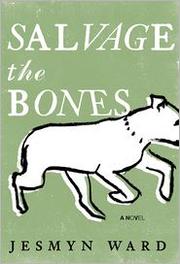
Twelve days in a poor Mississippi family's life as Hurricane Katrina approaches, narrated by a pregnant fifteen-year-old. Ward's first win and the leaner of her two — read it before Sing, Unburied, Sing, which assumes a reader already used to her register.
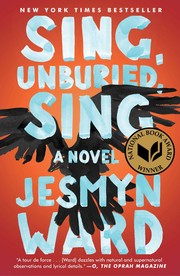
A road trip to a Mississippi prison, with two ghosts riding along. Her second fiction win, and the book that made her the only living writer with two — read the two Wards back to back and the award's judgement looks unusually consistent.
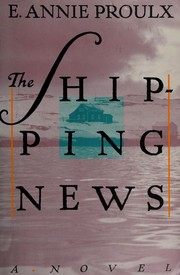
A failed newspaperman takes his daughters to Newfoundland. Proulx's clipped, verbless sentences are a genuine style to get used to, and they are the reason the book won both this and the Pulitzer in the same cycle.
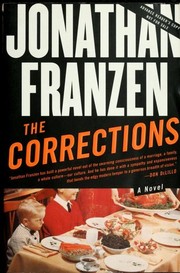
A Midwestern family assembled for one last Christmas. The most famous American novel of its decade and the one that dragged the award back into general conversation — long, comic and cruel, and the natural step up before the postwar books.
The Postwar Canon
IntermediateCover three winners from the award's founding decades and understand the mid-century American novel the later winners are all answering.
▸ Study plan for this stage
Pace: Eight to ten weeks. Invisible Man is around 480 pages and is the largest commitment here; three to four weeks, and read the prologue twice before going on. The Moviegoer is only around 240 pages and reads in a week, though it is a novel where very little happens and the pace has to be accepted. Herz
- Invisible Man's structure as a sequence of offered identities — Southern college, factory, political organisation — each of which turns out to have been designed by someone else for their own use
- The prologue and epilogue as a frame written from underground after everything else has happened, which converts the whole novel from a story into a retrospective argument
- Ellison's shifting registers, from naturalism to surrealism to sermon, which is why the book reads as several novels and why that is deliberate
- The Moviegoer's idea of the search, and Binx Bolling's malaise, presented in the vocabulary of existential philosophy without ever quite naming it
- That the book was a famous upset — a first novel from a small publisher beating the era's established names — which tells you something durable about how these panels behave
- Herzog's unsent letters as the technical device: a humiliated man writes to friends, ex-wives and dead philosophers, and the letters carry the intellectual content the plot cannot
- Bellow winning the fiction award three times, more than anyone, and the question of why this particular one has lasted best
- The mid-century American novel's preoccupations — identity, drift, intellect under humiliation — which every book in the previous two stages is in some way answering
- What does the narrator of Invisible Man conclude in the epilogue, and does the novel's ending endorse it?
- Name the identities offered to Ellison's narrator in order. Who benefits from each, and does he ever choose one himself?
- What is Binx Bolling searching for, and does The Moviegoer let him find it? The novel is precise about this and most summaries are not.
- Who does Herzog write to, and what do the recipients have in common? The pattern is the character.
- Bellow, Percy and Ellison were all writing in the same two decades. What do their protagonists share, and what would each have said about the others?
- Which of these three is most audible in the contemporary winners you read in the last stage? Cite a specific echo.
- Read the prologue of Invisible Man twice before continuing, and again after finishing. It is fifteen pages and it is three different texts depending on when you read it.
- Write 200 words on the battle royal chapter of Invisible Man using only what happens. Restraining the commentary is the exercise, and it is how the chapter is written.
- For Herzog, read the letters consecutively and skip the narrative for one sitting. They form a coherent short book of their own, which is what the technique is for.
- Summarise The Moviegoer's plot in 100 words. The difficulty of the task is the finding.
- Set the first page of Invisible Man beside the first page of Sing, Unburied, Sing. Sixty-five years, same prize, same country, and the comparison is worth a paragraph.
Next up: With the canon in place, the contested winners become legible as arguments about what the prize is for, rather than as eccentric choices by panels that lost their nerve.
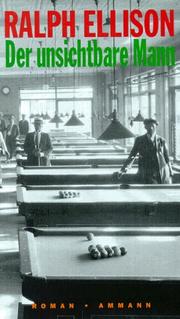
A young Black man moves from a Southern college to Harlem and finds every available identity is somebody else's invention. The award's most important early choice and still the one to read first from that era — the prologue alone justifies the whole path.
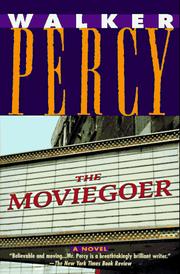
A New Orleans stockbroker drifts through Mardi Gras week looking for a reason not to. A famous upset — a first novel from a small publisher beating the era's giants — and a very short book about a very large idea.
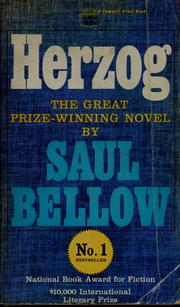
A humiliated academic writes letters he never sends, to friends, ex-wives and dead philosophers. Bellow won the fiction award three times, more than anyone; read this one, which is the funniest and the least dated of them.
The Books the Judges Knew Would Cause Trouble
IntermediateFinish with three winners that were contested at the moment of the award, and see how far a panel of writers will go when it stops worrying about readers.
▸ Study plan for this stage
Pace: Four to six months, and only the last stage in name — this is where the path becomes genuinely demanding. Gravity's Rainbow is over 800 pages of the hardest prose in American fiction; budget three months, read by its episode breaks rather than by page target, and accept that you may not finish. Sabb
- That the panel split over Gravity's Rainbow and gave it the award anyway, while the Pulitzer board overruled its own jury on the same book — the clearest single illustration of how the two prizes differ
- Pynchon sending a comedian to accept the award in his place, which is a fact about the author's relationship to institutions and worth knowing before you read a page
- How to read Gravity's Rainbow at all: by the printer's-mark episodes rather than chapters, with a companion volume within reach, expecting to lose the thread in the third part
- Sabbath's Theater as a test of whether a writers' panel rewards craft independent of likeability — Roth's own favourite of his books and by a distance his most offensive
- Mickey Sabbath's refusal of every consolation on offer, which is the novel's structure rather than its mood: each comfort is presented and rejected in turn
- Trust Exercise's structural ambush — a second section that rereads the first as an unreliable account, and a third that unsettles the second
- The question the third book turns into plot: who has the standing to tell a story about someone else, and what does a novel owe the person it is about
- That all three were contested at the moment of the award rather than in retrospect, which is what makes them a coherent stage rather than a list of difficult books
- What is Gravity's Rainbow's founding conceit, and does the novel ever resolve it? Answer as far as you get, honestly.
- The Pulitzer board vetoed the book its jury chose; this panel awarded it. What does each decision say about what a literary prize is for?
- Sabbath's Theater is designed to repel. Where does Roth make you sympathise anyway, and is that a trick or an achievement?
- In Trust Exercise, which account do you believe, and what in the text is your belief resting on?
- Trust Exercise divided reviewers completely. Construct the strongest case that its structure is a triumph and the strongest case that it is a stunt, before deciding.
- Having read the whole path, which winner would you defend hardest to someone who thought literary prizes were meaningless?
- Read Gravity's Rainbow by episode, keeping a one-line log of each. If you abandon it, note the page — knowing where you stopped and why is a real result rather than a failure.
- Read the first thirty pages of Sabbath's Theater and decide then whether to continue. The book does not change its register and the opening is a fair sample.
- Read Trust Exercise's second section immediately after the first, in the same sitting. The ambush depends on proximity and a week's gap defuses it.
- After Trust Exercise, write 300 words on which narrator has the better claim to the story, citing the text rather than your instinct.
- Build your own twelve-book National Book Award reading order, disagreeing with this path wherever you now think it is wrong. You have read across seven decades and can justify a different route.
Next up: This is the end of the path. The natural next step is the same year's Pulitzer fiction winner for any three of the books you have just read — the pairs are the most efficient argument available about what different kinds of judging panel actually do.
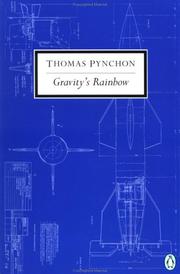
V-2 rockets, paranoia and 700 pages of the most demanding prose in American fiction. The judges split, the Pulitzer board vetoed its own jury over the same book, and Pynchon sent a comedian to accept the award in his place. The hardest book on this path — read it knowing you may not finish it, and that this is normal.
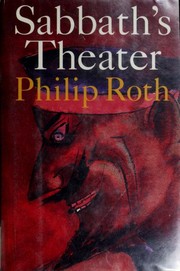
An ageing, obscene puppeteer refuses every consolation on offer. Roth's own favourite of his books and by a distance his most offensive; read it as the test of whether the writers' panel rewards craft independent of likeability.

A performing-arts high school in the 1980s — and then, a third of the way through, a second section that reads the first one back as a lie. A structural ambush that divided reviewers completely, and the right last stop, because it turns the question of who gets to tell a story into the plot itself.
Discussion
Keep reading
Paths that share books, cover the same subject, or open a related topic.