Best Books on Starting a Food Truck, in Order
This curriculum takes a first-time food truck entrepreneur from zero to launch-ready across four tightly sequenced stages. Each stage builds on the last — starting with the mindset and business basics of mobile food, then moving through legal/operational setup, truck-specific financials and menu engineering, and finally the street-level hustle of finding customers and scaling up.
Foundations: The Food Truck World
BeginnerUnderstand what the food truck business actually looks like day-to-day, what separates winners from failures, and whether this path is right for you — before spending a dollar.
▸ Study plan for this stage
Pace: 4–5 weeks, ~25–30 pages/day, with 2–3 days per week for reflection and exercises
- The daily operational realities of running a food truck (prep, service, cleanup, restocking cycles)
- Financial fundamentals: startup costs, overhead, food costs, and profit margins specific to food trucks
- Regulatory and licensing requirements (health permits, business licenses, parking regulations) that vary by location
- Market positioning: identifying your niche, target customer, and competitive differentiation in the food truck space
- The personal demands of food truck ownership: physical stamina, time commitment, and stress tolerance
- Common failure points and what separates successful operators from those who fail
- Initial assessment framework: evaluating whether you have the capital, temperament, and market opportunity to succeed
- What are the main daily tasks and time commitments involved in operating a food truck from opening to closing?
- What are the typical startup costs and ongoing monthly expenses for a food truck, and what profit margins should you realistically expect?
- What regulatory and licensing hurdles must you clear before you can legally operate, and how do these vary by location?
- What are the most common reasons food trucks fail, and what do successful operators do differently?
- How do you identify a viable market niche and validate that customers in your area will buy your product?
- What personal qualities, skills, and lifestyle trade-offs are required to run a food truck successfully?
- Based on your capital, market research, and personal circumstances, is starting a food truck a realistic goal for you right now?
- Create a detailed day-in-the-life timeline for a food truck operator, hour by hour, based on the books' descriptions—then compare it to interviews with 2–3 real food truck owners in your area
- Build a startup cost spreadsheet for your specific concept (cuisine type, truck size, location) using figures from the handbook, then validate with 3 local vendors or existing operators
- Research and document the specific licenses, permits, and health code requirements for food trucks in your target city or county—create a checklist of steps and timelines
- Conduct a competitive analysis: identify 5–8 existing food trucks in your target market, note their menu, pricing, location patterns, and customer base—assess where you could differentiate
- Write a 1–2 page personal readiness assessment: honestly evaluate your capital availability, risk tolerance, time commitment capacity, and cooking/business experience against the demands described in the books
- Interview or shadow a food truck owner for 4–6 hours during a service day, documenting the actual workflow, challenges, and decisions they make—compare observations to the books' descriptions
Next up: This stage establishes whether food truck ownership is viable and right for you; the next stage will dive into the specific business planning, financial modeling, and operational setup required to actually launch.

The single most widely recommended starting point for aspiring food truck owners. Weber covers the full landscape — concept, permits, truck buying, staffing, and marketing — giving beginners a complete mental map before diving into any one topic.

A practical, jargon-free companion that reinforces Weber's overview with step-by-step checklists and real operator stories. Reading it second solidifies the vocabulary and framework you'll need for the more detailed books ahead.
Business Plan, Permits & Legal Setup
BeginnerWrite a credible business plan, understand the licensing and health-permit landscape, and structure your business entity correctly from day one.
▸ Study plan for this stage
Pace: 4–5 weeks, ~25–30 pages/day (approximately 150–170 pages total across both books)
- Executive summary and financial projections as the foundation of a credible business plan
- Market analysis and competitive positioning specific to the food truck industry
- Choosing the right business structure (sole proprietorship, LLC, S-corp) and its tax/liability implications
- Health permits, food service licenses, and local health department requirements
- Vehicle registration, commercial insurance, and liability coverage for mobile food operations
- Zoning laws and municipal regulations governing food truck locations and operations
- Record-keeping systems and compliance documentation from day one
- What are the essential sections of a business plan, and how do you tailor each section for a food truck venture?
- How do financial projections and break-even analysis inform your startup decisions and funding strategy?
- What business structure (sole proprietorship, LLC, or S-corp) is most appropriate for your food truck, and what are the tax and liability trade-offs?
- What permits and licenses are required to legally operate a food truck in your jurisdiction, and what is the typical timeline and cost?
- How do you identify and comply with local zoning restrictions, health codes, and municipal regulations that affect food truck placement?
- What insurance coverage is essential for a food truck operation, and how does it differ from traditional restaurant insurance?
- Draft a complete executive summary for your food truck concept (1–2 pages) using the Abrams framework
- Create a simplified financial projection spreadsheet (startup costs, monthly revenue, expenses, break-even point) for your specific food truck idea
- Research and document all permits and licenses required in your target city/county; contact local health departments and zoning offices for specifics
- Write a one-page competitive analysis identifying 3–5 existing food trucks or mobile food vendors in your area and your differentiation strategy
- Consult with a business attorney or accountant to determine the optimal business structure for your situation and draft a simple entity formation checklist
- Obtain and review actual health code requirements and food safety regulations from your local health department; create a compliance checklist
- Gather quotes from 2–3 commercial insurance providers for food truck liability and vehicle coverage; compare coverage options and costs
Next up: This stage equips you with a legally sound, financially grounded foundation and a written business plan that demonstrates viability—essential prerequisites before moving into the operational stage of menu development, sourcing, and launch logistics.
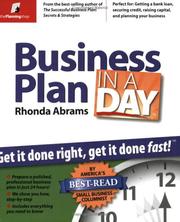
Abrams is a canonical small-business planning author; this book teaches the universal structure of a business plan (executive summary, market analysis, financials) that you'll then customize for your food truck concept.

Published by Nolo — the gold standard for plain-English legal guidance — this book explains business entities, contracts, and local licensing in a way that directly applies to the permit-heavy food truck world.
Buying, Outfitting & Operating the Truck
IntermediateMake smart decisions about purchasing or leasing a truck, outfitting the kitchen, managing commissaries, and running daily operations efficiently.
▸ Study plan for this stage
Pace: 4–5 weeks, ~40–50 pages/day (approximately 280–350 pages total across both books)
- Truck acquisition strategies: buying vs. leasing trade-offs, financing options, and hidden costs (insurance, permits, maintenance)
- Kitchen equipment selection and layout: essential vs. nice-to-have appliances, food safety compliance, and space optimization
- Commissary operations: finding and vetting a commissary, storage protocols, food handling procedures, and cost management
- Daily operational workflows: pre-service prep, inventory management, cash handling, and closing procedures
- Customer experience and service culture: translating fine-dining hospitality principles to the food truck environment
- Regulatory compliance: health permits, licensing, parking regulations, and liability insurance requirements
- Cost control and profitability: tracking food costs, labor efficiency, and pricing strategy to maintain margins
- What are the primary financial and operational advantages and disadvantages of buying versus leasing a food truck?
- What essential kitchen equipment must a food truck have, and how should it be arranged to maximize efficiency and food safety?
- How do you identify, evaluate, and establish a working relationship with a commissary that meets your operational needs?
- What are the key daily operational tasks (pre-service, during service, and closing) that keep a food truck running smoothly and profitably?
- How can you apply fine-dining service principles—such as hospitality, attention to detail, and customer connection—to a food truck business model?
- What are the critical permits, licenses, and insurance requirements you must secure before operating, and how do you stay compliant?
- Create a detailed truck acquisition comparison: research 3–5 used food trucks for sale and 3–5 leasing options in your target market, then build a side-by-side financial model (down payment, monthly costs, maintenance, insurance) to determine which approach works best for your business plan.
- Design a food truck kitchen layout: sketch or use a digital tool to map out your truck's galley, specifying equipment placement, workflow zones (prep, cooking, plating, serving), and food safety checkpoints based on your planned menu.
- Conduct a commissary site visit and evaluation: visit 2–3 local commissaries, document their facilities, pricing, hours, storage capacity, and compliance certifications, then write a 1–2 page assessment of which best fits your needs.
- Develop a daily operations checklist: create a comprehensive pre-service, during-service, and closing checklist that covers inventory, equipment checks, cash handling, and cleaning—then practice executing it over 2–3 simulated service days.
- Build a customer service playbook: write 5–7 specific service scenarios (order mistakes, long waits, difficult customers, compliments) and define how you'd respond using hospitality principles from fine-dining, then role-play these with a peer.
- Compile a regulatory compliance binder: research and document all permits, licenses, insurance types, and health codes required in your target jurisdiction, then create a timeline and checklist for securing each before launch.
Next up: This stage equips you with the operational and logistical foundation to run a food truck smoothly; the next stage will focus on menu development, sourcing, and the culinary execution that transforms those systems into a compelling customer experience.

This Entrepreneur Press title goes deep on the physical and operational side — vehicle sourcing, equipment selection, commissary relationships, and health inspections — building directly on the legal groundwork laid in Stage 2.
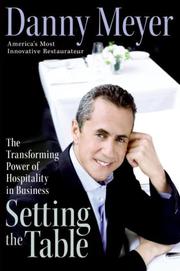
Meyer's philosophy of enlightened hospitality and operational excellence translates powerfully to any food business. Reading it here sharpens your thinking on service standards and systems before you open your window for the first time.
Menu Engineering, Margins & Finding Your Spots
IntermediatePrice your menu for real profit, control food and labor costs, and develop a strategy for locations, events, and catering that builds a loyal, paying customer base.
▸ Study plan for this stage
Pace: 4–5 weeks, ~40–50 pages/day (approximately 280–350 pages total across both books)
- Financial metrics that drive food truck profitability: food cost percentage, labor cost percentage, and contribution margin
- Menu engineering: strategically pricing and positioning menu items based on popularity and profitability (stars, plowhorses, puzzles, dogs)
- Break-even analysis and cash flow management specific to mobile food operations
- Platform-specific marketing strategy: tailoring content and messaging to different social media channels (Instagram, Facebook, Twitter, TikTok) to build audience and drive foot traffic
- Location scouting and event strategy: identifying high-traffic zones, securing permits, and building recurring revenue streams through events and catering
- Building customer loyalty through consistent brand messaging and community engagement across digital and physical touchpoints
- How do you calculate food cost percentage and labor cost percentage, and what are healthy target ranges for a food truck operation?
- What is the difference between a 'star,' 'plow horse,' 'puzzle,' and 'dog' menu item, and how should you price and promote each category?
- How do you determine your break-even point, and what role does contribution margin play in deciding which menu items to keep or cut?
- Why does Gary Vaynerchuk emphasize platform-specific content, and how would you apply this to market a food truck on Instagram versus Facebook versus TikTok?
- What are the key factors to evaluate when selecting a location or event for your food truck, and how do you assess whether it will generate sufficient customer volume?
- How can you use social media and location strategy together to build a repeatable, predictable revenue model for your food truck?
- Create a detailed menu cost sheet for 5–8 signature items, calculating food cost percentage, labor cost per item, and contribution margin for each; identify which items are 'stars' and which are 'dogs'
- Build a break-even analysis spreadsheet for your food truck: fixed costs (truck payment, insurance, permits), variable costs (food, packaging, labor), and target daily/weekly revenue needed to break even
- Audit 3–5 local food trucks or restaurants on Instagram, Facebook, and TikTok; document how each platform's content differs and note which posts drive engagement; apply these insights to draft platform-specific content for your own truck
- Scout 5–10 potential locations or events in your target market; create a location evaluation scorecard assessing foot traffic, permit requirements, competition, and revenue potential for each
- Design a 4-week social media calendar for your food truck that includes location announcements, behind-the-scenes content, customer testimonials, and event promotions tailored to at least 2 different platforms
- Conduct a 'menu engineering workshop': rank your menu items by popularity and profitability, then write a pricing and promotion strategy for each quadrant (stars get premium placement, dogs get discounted bundles or removal)
Next up: This stage equips you with the financial discipline and marketing acumen to run a profitable, customer-centric food truck; the next stage will likely focus on scaling operations, managing staff, and building systems that allow you to replicate success across multiple locations or expand your catering business.
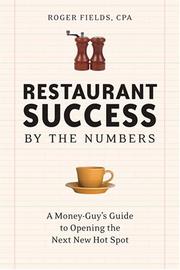
The clearest book available on food-service financials — food cost percentages, labor ratios, break-even analysis, and P&L reading. Essential before you finalize a single menu price.

Finding your spots today means mastering social media and local community engagement. Vaynerchuk's framework for giving value before asking for the sale is the playbook food trucks use to announce locations, build followings, and fill lines.
Discussion
Keep reading
Paths that share books, cover the same subject, or open a related topic.