Best Books on Influencer Marketing, in Order
This curriculum takes a beginner from zero to expert in influencer marketing by first building a solid foundation in social media and digital marketing, then zooming into the creator economy and influencer strategy, and finally tackling advanced execution — vetting, contracts, measurement, and pitfall avoidance. Each stage builds the vocabulary and mental models needed to get the most out of the next, creating a coherent, practical path to mastery.
Foundations: Social Media & Digital Marketing Literacy
BeginnerUnderstand how social platforms work, how audiences form around creators, and how digital marketing fits into the broader business picture — the essential context before diving into influencer-specific strategy.
▸ Study plan for this stage
Pace: 8–10 weeks, ~25–30 pages/day. Allocate roughly 2–3 weeks per book with overlap for review and exercises. Read in order: Vaynerchuk → Berger → Godin, allowing time between books to synthesize and apply concepts.
- Platform-native content strategy: Each social platform has distinct formats, audiences, and behavioral norms—content must be tailored to the medium, not repurposed wholesale (Vaynerchuk's core thesis)
- The psychology of sharing and virality: People share content that triggers emotion, provides social currency, or feels relevant to their identity; understanding these drivers is foundational to creating spreadable content (Berger)
- Audience psychology and community formation: Creators build audiences by consistently delivering value aligned with audience identity and needs; platforms amplify creators who understand their specific community (Vaynerchuk + Berger)
- Digital marketing as storytelling, not interruption: Effective marketing meets people where they are, tells stories they care about, and respects their attention; it's about permission and relevance, not push tactics (Godin)
- The business context of social platforms: Platforms are attention markets; creators and brands compete for finite user time and engagement; understanding platform incentives shapes strategy (Vaynerchuk + Godin)
- Authenticity and trust as currency: Audiences follow creators they perceive as genuine; trust is built through consistency, transparency, and alignment between creator values and audience values (all three)
- Data-driven iteration: Successful creators test, measure, and adapt; they don't rely on intuition alone but use platform analytics and audience feedback to refine approach (Vaynerchuk + Godin)
- Why does Vaynerchuk argue that repurposing the same content across all platforms fails? What does platform-native content mean, and how does it differ by platform (e.g., Instagram vs. Twitter)?
- According to Berger, what are the six principles that make content contagious, and can you identify examples from creators or brands you follow that embody these principles?
- How does Godin distinguish between interruption marketing and permission marketing, and why does he argue permission marketing is more effective in the digital age?
- What role does audience identity and emotional connection play in building a sustainable creator following, and how do Vaynerchuk, Berger, and Godin each address this?
- How do platform algorithms and business incentives shape what content succeeds, and what does this mean for a creator trying to build an audience?
- What is the relationship between authenticity, trust, and long-term audience loyalty according to these authors, and why can't authenticity be faked at scale?
- Platform audit: Choose one creator you admire. Document their content strategy across 3–4 platforms (Instagram, TikTok, YouTube, Twitter, etc.). How does their content differ by platform? How does Vaynerchuk's platform-native thesis apply? Write a 1-page analysis.
- Contagion mapping: Pick a piece of viral content (video, post, meme) from the past 6 months. Map it against Berger's six principles (social currency, triggers, emotion, public, practical value, stories). Which principles does it hit? Which does it miss? Why did it spread?
- Audience persona exercise: Identify a creator or brand in a niche you're interested in. Based on their content, describe their core audience in detail: demographics, values, pain points, aspirations. What emotional or practical needs does their content meet? How does this align with Godin's idea of 'permission' and 'people like us'?
- Permission marketing audit: Find an example of interruption marketing (ads, cold outreach, spam) and an example of permission marketing (newsletter, community, owned audience). Compare their approaches. Which would you trust more as a consumer, and why?
- Content testing simulation: Write 3 different versions of a social media post on the same topic (e.g., a productivity tip) optimized for different platforms (Instagram Stories, LinkedIn, TikTok). Explain your format, tone, and hook choices using Vaynerchuk's platform-native framework.
- Authenticity case study: Research a creator who has faced a scandal or lost audience trust, and one who has maintained strong trust over years. What behaviors or values differ between them? How do Vaynerchuk, Berger, and Godin's ideas about authenticity explain the difference?
Next up: This stage establishes the foundational literacy needed to understand influencer marketing: how platforms work, how audiences form, how content spreads, and how digital marketing creates value—preparing you to move into the next stage, which will focus on influencer-specific strategy, partnership mechanics, and monetization models.

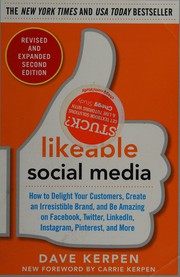
A plain-language primer on how brands must give value on social platforms before asking for anything — establishes the content-first mindset that underpins all influencer work.

Explains the science of why content spreads and what makes people share, giving beginners the psychological vocabulary to evaluate whether an influencer's content has real viral potential.
Reframes marketing as serving a specific audience rather than shouting at everyone — a crucial mindset shift before learning how to match brands with the right creator communities.
The Creator Economy: Understanding Influencers from the Inside
BeginnerUnderstand who creators are, how they build audiences, what motivates them, and how the creator economy actually functions — so you can approach partnerships as a collaborator, not just a buyer.
▸ Study plan for this stage
Pace: 6–7 weeks, ~25–30 pages/day (approximately 3–4 weeks for "The Business of Influence," then 3 weeks for "KNOWN")
- Influence as a relationship-building asset, not a vanity metric—understanding how creators accumulate trust and authority over time
- The distinction between traditional celebrity and modern creator economy: how niche audiences and authenticity matter more than mass reach
- How creators monetize: multiple revenue streams (sponsorships, direct sales, subscriptions, affiliate) and why diversification is critical to their sustainability
- The psychology of audience building: consistency, vulnerability, value-delivery, and community engagement as the foundation of creator success
- Platform dependency and algorithmic risk: why creators must own their audience relationships and diversify across channels
- Personal branding as a business strategy: how creators package their expertise, personality, and perspective into a marketable asset
- The creator mindset: intrinsic motivation (passion, purpose, autonomy) versus extrinsic rewards, and how this shapes partnership opportunities
- What is the fundamental difference between influence and reach, and why does this distinction matter when evaluating creator partnerships?
- How do creators build and maintain audience trust, and what role does authenticity play in their long-term success?
- What are the primary revenue streams available to creators in the modern economy, and why is diversification critical?
- How does platform dependency affect creator strategy, and what steps do successful creators take to mitigate this risk?
- What motivates creators intrinsically versus extrinsically, and how should brands account for this when designing partnership opportunities?
- How does a creator's personal brand function as a business asset, and what elements make a personal brand defensible and scalable?
- Map a creator's revenue streams: Select a creator you admire and document all visible revenue sources (sponsorships, products, subscriptions, etc.). Analyze which streams are most sustainable and which carry platform risk.
- Conduct a creator interview or case study: Reach out to a micro-influencer or content creator and ask about their audience-building journey, monetization strategy, and biggest challenges. Document their answers and reflect on how their experience aligns with concepts from the books.
- Audit your own personal brand: Write a personal brand statement covering your expertise, unique perspective, and core audience. Identify what makes your perspective defensible and how you could build an audience around it.
- Track algorithmic dependency: Follow 3–5 creators across different platforms for 2 weeks. Document how their content strategy differs by platform and note which creators have successfully built audience loyalty independent of algorithms.
- Analyze creator-brand partnerships: Find 5 recent creator partnerships (sponsorships, collaborations) and evaluate them through the lens of authenticity, audience alignment, and mutual value. Which partnerships feel authentic, and which feel transactional?
- Create a creator partnership brief: Based on what you've learned, draft a partnership proposal for a creator you'd like to work with. Include: why this creator's audience aligns with your brand, what value you'd bring them beyond payment, and how the partnership serves their audience.
Next up: This stage establishes the human foundation of influencer marketing—understanding creators as entrepreneurs with their own business logic, motivations, and constraints—which is essential before moving into the tactical execution of campaigns, negotiation strategies, and performance measurement in the next stage.

One of the earliest rigorous examinations of influence as a business discipline; it builds a clear framework for thinking about authentic influence versus paid reach before you start spending money.
Walks through exactly how individuals build authority and loyal audiences online — reading this from a creator's perspective helps marketers understand what makes a creator's following genuinely engaged versus artificially inflated.
Influencer Marketing Strategy: Finding, Vetting & Briefing Creators
IntermediateBuild a repeatable process for identifying the right influencers for a campaign, evaluating their authenticity and fit, writing effective briefs, and structuring fair, protective contracts.
▸ Study plan for this stage
Pace: 4–5 weeks, ~40–50 pages/day (approximately 280–350 pages total across both books)
- Influencer audience analysis: assessing follower authenticity, engagement rates, and demographic alignment with your brand's target market
- Influencer vetting frameworks: evaluating creator credibility, brand safety, content quality, and long-term sustainability of their influence
- Audience-brand fit assessment: matching influencer niche, values, and audience composition to campaign objectives and brand positioning
- Effective influencer briefing: structuring clear creative direction, performance expectations, and deliverable specifications without over-controlling content
- Contract structures and protections: negotiating fair terms, usage rights, exclusivity clauses, performance guarantees, and dispute resolution
- Relationship building with creators: establishing trust, managing expectations, and creating conditions for authentic, long-term partnerships
- Campaign-specific influencer selection: using data-driven criteria to shortlist and rank candidates based on campaign KPIs and brand values
- What are the key red flags when vetting an influencer's audience authenticity, and how do you distinguish between genuine engagement and bot activity?
- How do you assess whether an influencer's audience demographics and values align with your brand, and what metrics matter most?
- What should an effective influencer brief include to ensure creative freedom while maintaining brand safety and campaign alignment?
- What are the essential contract elements to protect both the brand and the creator, and how do you handle usage rights and exclusivity?
- How do you build and maintain long-term relationships with influencers that go beyond transactional one-off campaigns?
- What is a repeatable, scalable process for identifying, vetting, and briefing influencers that can be applied across multiple campaigns?
- Audit 5–10 influencers in your target niche: analyze their follower growth patterns, engagement rates, audience demographics, and content consistency using tools like Social Blade or HypeAuditor. Document red flags and strengths.
- Create a detailed influencer vetting scorecard with weighted criteria (audience authenticity, brand alignment, engagement quality, audience size, niche relevance). Score 3 real influencers and justify your rankings.
- Write a sample influencer brief for a hypothetical campaign: include campaign objectives, creative direction, deliverables, timeline, performance metrics, and usage rights. Have a peer review it for clarity and brand safety.
- Draft a contract template or outline for an influencer partnership, incorporating key protections: payment terms, deliverable specifications, usage rights, exclusivity clauses, and dispute resolution mechanisms.
- Conduct a case study analysis: select one successful influencer campaign (from the books or your research) and reverse-engineer the vetting, briefing, and contract decisions that made it work.
- Build a repeatable influencer identification and vetting workflow: map out your process from initial research through final briefing, including tools, decision gates, and stakeholder sign-offs.
Next up: This stage equips you with the operational framework to execute campaigns—the next stage will focus on campaign management, performance measurement, and optimizing influencer partnerships based on real-time data and ROI.

A hands-on, practitioner-written guide covering the full workflow — discovery, vetting, briefing, and contracting — making it the single most directly applicable book in the curriculum.

Provides a strategic layer on top of the tactical, covering how to build long-term influencer programs, evaluate platform fit, and avoid common pitfalls like fake followers and misaligned audiences.
Measurement, ROI & Avoiding the Pitfalls
IntermediateMove beyond vanity metrics to measure real business impact, set up attribution frameworks, spot fraud and inauthentic engagement, and protect your brand from the most common influencer marketing mistakes.
▸ Study plan for this stage
Pace: 8–10 weeks, ~25–30 pages/day. Start with "Marketing Metrics" (4–5 weeks), then "Freakonomics" (3–4 weeks), with 1 week for integration and application exercises.
- Beyond vanity metrics: understanding why impressions, likes, and follower counts don't equal business value (Farris's framework for metric selection)
- Attribution and ROI calculation: tracing influencer-driven actions to revenue using frameworks like customer lifetime value, conversion rates, and incrementality testing (Farris)
- Correlation vs. causation: recognizing when influencer activity appears to drive results but doesn't actually cause them, and designing experiments to isolate true impact (Levitt's core methodology)
- Incentive structures and hidden motivations: understanding how influencers, platforms, and agencies are incentivized to game metrics and misrepresent results (Levitt's economic lens)
- Fraud detection and authenticity signals: identifying fake engagement, bot networks, and inauthentic audiences using data patterns and statistical anomalies (Farris's metrics + Levitt's skepticism)
- Brand safety and reputational risk: recognizing when influencer partnerships expose you to fraud, misalignment, or audience manipulation that damages trust (integration of both)
- Experimental design for influencer campaigns: setting up A/B tests, control groups, and incrementality studies to measure true business impact rather than correlation (Levitt's methodology applied to marketing)
- What is the difference between a vanity metric and a metric that actually predicts business value, and how would you choose which metrics to track for an influencer campaign?
- How would you design an experiment to determine whether an influencer campaign actually caused a sales increase, or whether sales would have increased anyway?
- What are the key incentives that drive influencers, platforms, and marketing agencies to misrepresent engagement metrics, and what red flags should you watch for?
- How do you calculate the ROI of an influencer partnership, and what data do you need to attribute revenue to that specific influencer?
- What statistical patterns or anomalies in engagement data suggest fake followers or bot activity, and how would you investigate them?
- How would you assess brand safety risks when partnering with an influencer, and what due diligence would you conduct to avoid reputational damage?
- Audit a real influencer's engagement data: download 30 days of posts from an influencer in your industry, calculate engagement rate, analyze comment sentiment, and flag suspicious patterns (e.g., sudden spikes, bot-like comments, engagement from fake accounts). Document your findings.
- Build a simple ROI model: using a real or hypothetical influencer campaign, map out the metrics you'd track (reach, clicks, conversions, revenue), assign realistic values, and calculate payback period and ROI. Identify which metrics are vanity metrics vs. business-critical.
- Design an incrementality test: outline how you would run an A/B test to measure the true impact of an influencer campaign, including control group selection, sample size, duration, and how you'd isolate the influencer's contribution from other marketing activities.
- Analyze incentive misalignment: pick a real influencer marketing failure or scandal, and write a 1-page analysis of what incentives led to the problem (e.g., agencies paid by impressions, influencers paid by followers, platforms rewarding engagement over authenticity).
- Create a brand safety checklist: develop a due diligence template for vetting influencers before partnership, including audience authenticity checks, content alignment review, and reputational risk assessment. Test it on 3 real influencers.
- Spot the causal claim: find 5 influencer marketing case studies or testimonials, and for each one, identify whether they're claiming correlation or causation, what evidence they provide, and what alternative explanations might exist (using Levitt's skeptical framework).
Next up: This stage equips you to measure and defend influencer marketing investments with rigor, setting the foundation for the next stage: scaling campaigns with confidence, building long-term influencer partnerships, and integrating influencer channels into a holistic marketing strategy.
The definitive reference on measuring marketing effectiveness; reading it here gives you the rigorous measurement vocabulary needed to hold influencer campaigns to the same ROI standards as any other channel.

Trains the reader to question surface-level data and look for hidden incentives and perverse outcomes — an essential thinking tool for spotting influencer fraud, inflated metrics, and misaligned incentives before they cost you.
Advanced Mastery: Scaling Programs & Future-Proofing
ExpertDesign enterprise-level influencer programs, navigate the evolving regulatory and platform landscape, build creator relationships that compound over time, and stay ahead of where the creator economy is heading.
▸ Study plan for this stage
Pace: 8–10 weeks, ~40–50 pages/day (accounting for dense strategic content and reflection time)
- Building superfan ecosystems: how to identify, nurture, and activate your most loyal audience segments rather than chasing vanity metrics
- Content-first strategy over platform-first: creating valuable, owned-audience content that transcends algorithm changes and platform volatility
- The shift from interruption marketing to permission-based, value-driven engagement models that respect creator and audience relationships
- Regulatory and platform risk management: anticipating policy changes, diversifying distribution channels, and building resilience into influencer programs
- Creator relationship compounding: structuring long-term partnerships that deepen over time, moving beyond transactional campaigns
- Enterprise-scale program architecture: designing systems that maintain authenticity and relationship quality while scaling across multiple creators and audiences
- Future-proofing through adaptability: building flexible frameworks that can pivot as platforms, regulations, and creator preferences evolve
- What is the difference between a vanity metric approach and a superfan-focused approach, and why does the latter create more sustainable business value?
- How do you identify and segment your superfans, and what specific engagement strategies differentiate them from casual followers?
- According to the books, what are the key risks of platform-dependent influencer strategies, and how can you mitigate them through owned-audience channels?
- How should enterprise influencer programs be structured to maintain authentic creator relationships while scaling across multiple partnerships?
- What regulatory and platform changes should you be monitoring, and how do you build contingency planning into your influencer marketing roadmap?
- How does permission-based marketing differ from traditional influencer marketing, and what are the long-term competitive advantages?
- Conduct a superfan audit of your current audience or a brand you're analyzing: segment followers by engagement depth, identify the top 1–5% most loyal advocates, and document what makes them different (behavior, values, content preferences)
- Design a 12-month creator relationship roadmap for one influencer partnership: map out how the relationship deepens beyond transactional posts, including co-created content, exclusive access, and mutual value-building milestones
- Create an owned-audience strategy document: identify 3–4 owned channels (email, community platform, podcast, newsletter) and outline how you'd migrate influencer-dependent content to reduce platform risk
- Build a regulatory and platform risk matrix: list 5–7 potential regulatory changes or platform policy shifts relevant to your industry, assess impact on current influencer programs, and draft contingency responses
- Develop a superfan activation campaign: design a 6–8 week campaign that rewards and engages your top 1% audience segment with exclusive content, early access, or co-creation opportunities—measure impact beyond likes/shares
- Audit and redesign one existing influencer campaign: reframe it from a vanity-metric-focused brief to a superfan-and-permission-based approach, documenting changes in KPIs, creator autonomy, and audience value
Next up: This stage equips you to architect resilient, relationship-driven influencer programs that thrive regardless of platform shifts or regulatory changes—preparing you to lead the creator economy's next evolution and mentor others in building sustainable influence at scale.

Written from a creator's perspective, this book reveals how deep audience loyalty is built — knowledge that lets advanced marketers identify truly high-value creator partnerships and co-create campaigns that resonate at a community level.

Challenges marketers to think of influencer content as a long-term media asset rather than a one-off ad buy, providing the strategic framework needed to build scalable, sustainable influencer programs that deliver compounding returns.
Discussion
Keep reading
Paths that share books, cover the same subject, or open a related topic.