Southern and soul food: the best books for comfort classics
This curriculum takes a beginner from understanding the cultural roots and basic techniques of Southern and soul food all the way to mastering its most iconic dishes — fried chicken, greens, cornbread, and barbecue. Each stage builds on the last: first absorbing the history and spirit of the cuisine, then developing core cooking skills, and finally diving deep into the specialized craft of barbecue and regional variation.
Roots & Soul: History and Spirit of the Cuisine
BeginnerUnderstand where Southern and soul food comes from — its African, Native American, and European roots — and why the traditions behind fried chicken, greens, cornbread, and barbecue matter before you ever light a stove.
▸ Study plan for this stage
Pace: 8–10 weeks, ~25–30 pages/day. Start with "The Cooking Gene" (4–5 weeks), then move to "High on the Hog" (4–5 weeks). Allow time for reflection between books.
- The African diaspora's influence on Southern cooking through enslaved cooks who shaped plantation kitchens and developed techniques that became foundational to soul food
- Michael Twitty's personal genealogical journey as a lens for understanding how individual family food traditions connect to larger historical narratives of displacement, survival, and cultural resilience
- The role of Native American ingredients (corn, squash, beans) and cooking methods in creating the regional foundation that African and European foodways built upon
- How economic constraints and limited access to ingredients transformed necessity into culinary innovation—turning 'discarded' cuts of meat and humble vegetables into celebrated dishes
- Jessica B. Harris's continent-to-table framework: tracing specific African ingredients, techniques, and flavor profiles (okra, rice cultivation, one-pot cooking, seasoning philosophies) through the Middle Passage to the American South
- The spiritual and communal dimensions of soul food—how cooking and eating together became acts of resistance, cultural preservation, and joy under oppression
- The distinction between 'Southern food' (regional cuisine shaped by geography and multiple cultures) and 'soul food' (African American cuisine born from specific historical trauma and resilience)
- How understanding food history reveals hidden stories of agency, creativity, and humanity within systems designed to dehumanize
- What does Michael Twitty mean by 'the cooking gene,' and how does his personal genealogical search help illuminate the broader history of African Americans in Southern kitchens?
- Trace the journey of one ingredient (such as okra or rice) from Africa through the Middle Passage to the American South, using evidence from both books. What does this journey reveal about cultural continuity and adaptation?
- How did enslaved cooks exercise agency and creativity within the constraints of plantation kitchens, and what dishes or techniques from that era remain central to soul food today?
- What is the difference between 'Southern food' and 'soul food,' and why is this distinction historically and culturally important?
- According to Jessica B. Harris, what African cooking techniques and flavor profiles survived the Middle Passage and became foundational to soul food? Give at least three specific examples.
- How do both Twitty and Harris use food as a vehicle for exploring themes of identity, family, survival, and resistance in African American history?
- Create a personal food genealogy: Interview a family member about a dish that has been passed down in your family. Document the recipe, its origins (as far as you can trace), and what it means to your family. Write a 1–2 page reflection connecting your family story to themes in 'The Cooking Gene.'
- Map an ingredient's journey: Choose one ingredient mentioned in both books (okra, rice, collard greens, or black-eyed peas). Create a visual timeline or written narrative tracing its origins in Africa, its role in the slave trade, and its presence in contemporary soul food. Cite specific passages from both books.
- Read a chapter from 'The Cooking Gene' aloud and annotate it for: (a) moments where Twitty connects personal memory to historical fact, (b) questions he asks himself, (c) emotional turning points. Reflect on how this structure shapes your understanding of food history.
- Prepare one recipe from each book (or a recipe inspired by them). As you cook, take notes on the techniques, ingredients, and sensory details. Write a 1-page reflection on what the cooking process taught you about the skill, creativity, and knowledge embedded in these dishes.
- Create a comparison chart of African, Native American, and European influences on a single Southern/soul food dish (e.g., gumbo, cornbread, or barbecue). Use evidence from both Harris and Twitty to show how these three traditions merged.
- Write a letter from the perspective of an enslaved cook in a plantation kitchen, referencing specific details from 'The Cooking Gene' or 'High on the Hog.' What ingredients did they have access to? What did they create? What did cooking mean to them?
Next up: This stage establishes the historical and spiritual foundation of Southern and soul food, equipping you with the 'why' behind the cuisine so that the next stage can focus on the 'how'—mastering techniques, recipes, and the living practice of cooking these traditions today.
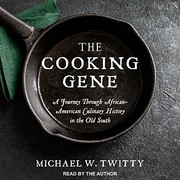
The essential starting point: Twitty traces soul food's DNA through slavery, Africa, and the American South, giving the learner the cultural vocabulary and emotional context that makes every later recipe meaningful.
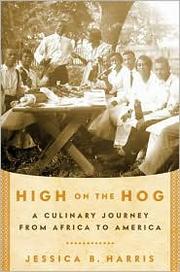
A sweeping history of African American cuisine from Africa to America; reading this second deepens the historical foundation and introduces the key ingredients and flavor traditions you will cook with throughout the curriculum.
Foundations: Learning the Southern Kitchen
BeginnerBuild core Southern cooking skills and intuition — seasoning, frying, braising greens, and baking cornbread — using approachable, well-tested recipes grounded in tradition.
▸ Study plan for this stage
Pace: 8–10 weeks, ~40–50 pages/day with 2–3 recipe sessions per week
- The holy trinity of Southern cooking: onions, celery, and bell peppers as flavor foundations
- Proper seasoning technique: building layers of salt, pepper, and spices rather than adding all at once
- Deep-frying fundamentals: oil temperature control, breading methods, and achieving crispy exteriors without greasiness
- Braising greens (collards, mustard, turnip): low-and-slow cooking with salt pork or ham hock for depth
- Cornbread as a versatile staple: understanding ratios, texture variations (sweet vs. savory), and regional differences
- Mise en place and ingredient prep as the foundation of Southern home cooking efficiency
- How seasonal availability and preservation (canning, curing) shaped traditional Southern recipes
- The cultural and historical roots of Southern soul food techniques and ingredient choices
- What is the holy trinity of Southern cooking, and why do these three vegetables form the flavor base for so many dishes?
- How do you properly season a dish in layers, and why is this approach more effective than adding all seasoning at once?
- What are the critical steps for deep-frying successfully, including oil temperature, breading, and how to avoid greasy results?
- How do you braise greens properly, and what role does salt pork or ham hock play in developing flavor?
- What are the key differences between sweet and savory cornbread, and how do regional variations reflect local traditions?
- How did seasonal availability and food preservation techniques influence the development of classic Southern recipes?
- Cook a basic mirepoix (onion, celery, bell pepper) and taste how it develops flavor over 5–10 minutes; use it as the base for a simple soup or stew
- Prepare fried chicken using Dupree's method: season the bird, let it rest, bread it, and fry at the correct temperature; document oil temperature and timing
- Braise a full pot of collard greens with salt pork or ham hock over 1–2 hours; taste at intervals to understand how flavor deepens
- Bake two batches of cornbread—one sweet, one savory—and compare texture, crumb, and flavor; note how ratios and ingredients affect the result
- Create a mise en place station for a multi-component meal (e.g., fried chicken, greens, cornbread); practice efficient prep and organization
- Read and annotate one recipe from each book, noting the holy trinity, seasoning approach, and historical context; compare how Dupree and Lewis present similar dishes
Next up: Mastering these foundational techniques and understanding the 'why' behind traditional methods prepares you to explore regional variations, advanced flavor-building, and how to adapt classic recipes while honoring their cultural roots in the next stage.

The most comprehensive beginner-to-intermediate Southern cooking reference available; its thorough explanations of technique (frying, pot likker, cast-iron baking) build the hands-on vocabulary needed for everything ahead.
A quiet masterpiece organized by season, Lewis teaches the beginner to cook with simplicity and respect for ingredients — her fried chicken, greens, and cornbread chapters are canonical benchmarks to cook against.
Soul Food Deep Dive: Iconic Dishes & Black Culinary Tradition
IntermediateCook the full canon of soul food classics with confidence, understanding the specific techniques and improvisational spirit that distinguish soul food from broader Southern cooking.
▸ Study plan for this stage
Pace: 4–5 weeks, ~25–30 pages/day, with 2–3 cooking sessions per week
- Soul food as a distinct culinary tradition rooted in African American resilience, resourcefulness, and cultural memory rather than mere Southern cooking
- The technique of 'making something from nothing'—transforming humble, often discarded ingredients (offal, greens, legumes) into deeply flavorful dishes through slow cooking and seasoning mastery
- The improvisational spirit of soul food: understanding when and how to adapt recipes based on available ingredients, season, and family tradition
- Flavor-building foundations: the holy trinity of aromatics, the role of rendered fats and broths, and the layering of spices and acid in soul food cooking
- How soul food reflects specific African American histories, migrations, and regional variations (Deep South vs. urban North, coastal vs. inland)
- The cultural and spiritual significance of soul food in Black family life, celebration, and resistance
- Asha Gomez's concept of 'two souths'—how immigrant and diaspora perspectives reshape and expand understanding of Southern and soul food traditions
- Mastering signature techniques: braising, slow-simmering, frying, and the proper preparation of proteins and vegetables to achieve soul food's characteristic textures and depths
- What distinguishes soul food as a culinary tradition from broader Southern cooking, and what historical and cultural factors shaped its development?
- How does the principle of 'making something from nothing' manifest in specific soul food dishes, and what cooking techniques enable this transformation?
- What are the core flavor-building techniques in soul food, and how do they differ from other regional American cuisines?
- How do the recipes and perspectives in 'Soul Food Love' and 'My Two Souths' reflect different regional variations and personal/cultural interpretations of soul food?
- What role does improvisation play in soul food cooking, and how can you adapt classic recipes while maintaining their essential character?
- How does understanding the cultural and spiritual significance of soul food deepen your approach to cooking and sharing these dishes?
- Cook 3–4 signature dishes from 'Soul Food Love' (e.g., collard greens, fried chicken, black-eyed peas, cornbread) and document the techniques, flavors, and any adaptations you made
- Prepare at least 2 dishes from 'My Two Souths' that reflect Asha Gomez's fusion perspective, noting how immigrant and diaspora influences reshape traditional soul food
- Practice the foundational technique of making a proper pot liquor (vegetable broth) from scratch using greens, aromatics, and rendered fat; use it as the base for at least two different dishes
- Cook the same dish twice using different proteins or vegetables (e.g., collards with ham hock, then with smoked turkey; black-eyed peas with pork, then with beans alone) to understand improvisation and ingredient substitution
- Host a soul food meal for friends or family using at least 3 dishes from the books; reflect on the cultural and relational aspects of sharing these foods
- Create a personal 'soul food flavor profile' guide documenting the key seasonings, aromatics, cooking times, and texture goals for 5–6 canonical dishes
- Research and cook a regional variation of a soul food classic (e.g., Lowcountry vs. Delta vs. urban Northern versions of a dish) to understand how geography and migration shaped soul food traditions
Next up: This stage equips you with mastery of soul food's core dishes and techniques, preparing you to explore how soul food intersects with contemporary food justice, regional sustainability, and the evolution of Black culinary voices in modern American cuisine.

Bridges cultural storytelling and practical recipes, reinforcing the learner's historical grounding while introducing family-style soul food cooking in a warm, accessible format.

Expands the learner's palate by drawing connections between Southern soul food and South Indian cooking, revealing the spice logic and layering techniques that make soul food so deeply flavored.
Fire & Smoke: Mastering Southern Barbecue
IntermediateUnderstand the regional styles, wood science, and low-and-slow techniques of Southern barbecue — from Carolina whole hog to Texas brisket — and execute them at home.
▸ Study plan for this stage
Pace: 8–10 weeks, ~40–50 pages/day (alternating between both books; ~2 weeks per book with overlap for technique synthesis)
- Regional barbecue styles and their defining characteristics (Carolina whole hog, Texas brisket, Memphis ribs, Kansas City burnt ends, etc.)
- Wood selection, smoke flavor profiles, and how different woods (oak, hickory, mesquite, fruitwoods) affect taste and cook times
- Low-and-slow methodology: temperature control, smoke management, and the Maillard reaction in barbecue
- Brisket anatomy, trimming, and the Texas crutch technique for managing the stall
- Whole hog butchering, seasoning strategies, and regional sauce traditions
- Equipment setup and maintenance (offset smokers, drum smokers, temperature monitoring)
- The science of bark formation, smoke ring development, and meat tenderness through collagen breakdown
- Resting, slicing, and serving techniques that preserve moisture and flavor
- What are the key differences between Carolina whole hog barbecue and Texas brisket barbecue in terms of seasoning, sauce, and cooking approach?
- How do different woods (oak, hickory, mesquite) affect smoke flavor and cooking time, and which woods pair best with which meats?
- What is the Texas crutch, why is it used, and how does it help overcome the stall during brisket cooking?
- Explain the relationship between low temperature, smoke, and collagen breakdown—why does low-and-slow produce tender meat?
- What is a smoke ring, how is it formed, and what role does it play in quality barbecue?
- How should you trim a brisket, and what is the significance of the fat cap and point-to-flat ratio?
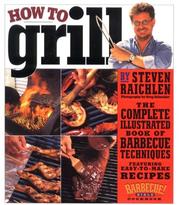
- Smoke test: Cook a practice brisket (or pork shoulder) using Raichlen's guidelines, documenting wood type, temperature curve, and smoke color at each stage; compare results to Franklin's methodology
- Regional comparison cook: Prepare two different regional styles (e.g., Carolina whole hog pulled pork vs. Texas-style brisket) in the same session to understand seasoning, sauce, and technique differences
- Wood tasting: Smoke different meats with 3–4 different wood types (hickory, oak, mesquite, fruitwood) and taste-test to develop a personal palate for smoke profiles
- Brisket trimming workshop: Practice trimming 2–3 briskets following Franklin's specifications; photograph your work and compare fat cap thickness and point-to-flat ratios
- Temperature management drill: Set up your smoker and maintain a steady 225–275°F for 6+ hours while logging temperature every 30 minutes; identify hot spots and adjust airflow accordingly
- Whole hog butchering: Source a whole hog (or watch Franklin's detailed breakdown videos alongside the book) and practice sectioning into shoulders, ribs, and belly; understand how each section cooks differently
Next up: This stage equips you with the foundational regional styles, wood science, and low-and-slow execution needed to move into advanced topics like competition-level technique, flavor layering, and adapting barbecue to different climates and equipment constraints.
The best all-around entry into barbecue technique; Raichlen explains fire management, smoke, and regional styles clearly, giving the learner a solid technical foundation before tackling more specialized texts.
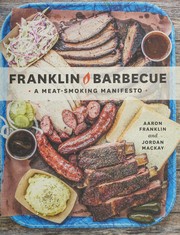
The definitive deep-dive into Texas-style barbecue from a James Beard Award-winning pitmaster; its obsessive detail on smoke, temperature, and meat selection rewards the learner who has already built foundational skills.
Advanced Craft: Regional Mastery & Personal Voice
ExpertSynthesize everything learned into a personal, regionally informed cooking style — understanding how place, memory, and innovation shape great Southern and soul food cooking.
▸ Study plan for this stage
Pace: 8–10 weeks, ~40–50 pages/day, with 1–2 week breaks between books for integration and cooking practice
- Regional terroir and ingredient identity: how Appalachian and Lowcountry geographies shape distinct flavor profiles and cooking methods
- Memory, family narrative, and cultural inheritance as active ingredients in Southern and soul food cooking
- The relationship between historical trauma, resilience, and culinary innovation in Black Southern foodways
- Foraging, preservation, and seasonal eating as philosophical and practical foundations for authentic regional cooking
- Personal voice in cooking: how to honor tradition while developing your own signature style and perspective
- The role of place-based storytelling in elevating food from sustenance to cultural expression
- Ingredient sourcing and relationships with producers as extensions of regional mastery
- How do the specific geographies and climates of Appalachia and the Lowcountry shape the ingredients, techniques, and flavor profiles that Lundy and Brock prioritize?
- What role does personal and family memory play in both authors' cooking philosophies, and how can you integrate your own narrative into your cooking?
- How do Lundy and Brock each approach the relationship between tradition and innovation, and where do you see your own cooking philosophy emerging?
- What does 'regional mastery' mean according to these texts—is it about perfecting existing recipes, understanding ingredient relationships, or something else?
- How do foraging, preservation, and seasonal eating practices inform the broader philosophy of Southern and soul food cooking in these books?
- What is the difference between cooking *from* a region and cooking *about* a region, and how do Lundy and Brock model this distinction?
- Read 'Victuals' with a focus on Lundy's narrative voice: annotate passages where she connects place, memory, and ingredient. Then write 2–3 pages reflecting on a food memory from your own life and how it connects to a specific place.
- Cook 3–4 recipes from 'Victuals' that emphasize foraged or seasonal ingredients. Document your sourcing process, ingredient substitutions, and how the dish tasted. Reflect on what you learned about regional adaptation.
- Create a 'flavor profile map' for Appalachian cooking based on 'Victuals': list key ingredients, techniques, and flavor combinations. Do the same for Lowcountry cooking after reading 'South.' Compare and contrast.
- Interview someone from your own family or community about a traditional dish they make. Record their story, their ingredient sources, and their approach to the recipe. Cook the dish and document how their narrative shaped your experience of it.
- Read 'South' with attention to Brock's philosophy on sourcing, relationships with producers, and ingredient integrity. Identify 3–4 key ingredients he emphasizes and research their regional origins and seasonal availability.
- Design a 3–course meal that reflects your emerging personal cooking voice: one dish rooted in a specific regional tradition (from either book), one that adapts a traditional recipe with your own innovation, and one that tells a story about your own place or memory.
- Create a 'sourcing manifesto': based on both books, write 1–2 pages on how you will source ingredients, build relationships with producers, and think about seasonality and preservation in your own cooking practice.
Next up: This stage synthesizes regional mastery and personal voice into a coherent cooking philosophy; the next stage will likely challenge you to communicate, teach, or scale this philosophy—whether through writing, mentorship, restaurant work, or public-facing food projects.

A James Beard Award-winning exploration of Appalachian foodways that reveals the mountain branch of Southern cooking — cornbread, beans, and smoke — pushing the advanced learner to think in regional dialects.

Brock's rigorous, ingredient-obsessed approach to Southern cooking challenges the advanced learner to source heirloom ingredients, refine technique, and develop a deeply personal, historically grounded culinary voice.
Discussion
Keep reading
Paths that share books, cover the same subject, or open a related topic.