Slow cooker cooking: top books for easy hands-off meals
This curriculum starts with the absolute basics of slow cooker cooking — understanding the appliance, timing, and simple recipes — then builds toward mastering braises, stews, and one-pot dinners with more complex flavors and techniques. Each stage deepens your intuition for low-and-slow cooking so that by the end, weeknight meals feel effortless and results are consistently tender and flavorful.
Foundations: Getting Comfortable with the Slow Cooker
BeginnerUnderstand how a slow cooker works, learn basic timing and liquid ratios, and build confidence with simple, foolproof recipes before tackling more complex dishes.
▸ Study plan for this stage
Pace: 4–5 weeks, ~25–30 pages/day, with 2–3 days per week dedicated to hands-on cooking practice
- How slow cookers work: heating mechanisms, temperature zones (low vs. high), and why they preserve moisture and tenderness
- Liquid ratios and evaporation: why slow cookers require less liquid than stovetop cooking and how to adjust recipes accordingly
- Layering flavors in slow cooker dishes: the importance of browning meat, building aromatics, and timing ingredient additions
- Timing and doneness: how to judge when proteins are tender, vegetables are cooked through, and when to avoid overcooking
- Foundational recipe categories: simple braises, stews, and one-pot meals that showcase slow cooker strengths
- Equipment setup and safety: choosing the right slow cooker size, understanding settings, and preventing common mistakes
- Adapting conventional recipes for slow cooking: converting cooking times and adjusting ingredient quantities
- How does the low setting differ from the high setting in a slow cooker, and when would you use each?
- Why do slow cooker recipes typically call for less liquid than stovetop recipes, and how do you determine the right amount?
- What is the purpose of browning meat before adding it to the slow cooker, and how does this affect the final dish?
- How can you tell when meat is properly tender in a slow cooker, and what happens if you cook it too long?
- What are three simple, foolproof slow cooker recipes you can confidently prepare, and what makes them reliable?
- How would you adapt a conventional stovetop recipe to work in a slow cooker?
- Cook a simple beef stew or chicken braise from 'Not your mother's slow cooker cookbook,' documenting the process, timing, and results
- Prepare a recipe on low heat and another on high heat side-by-side, then compare texture, flavor, and doneness to understand setting differences
- Brown meat for one slow cooker recipe and skip browning for an identical recipe; taste and compare the depth of flavor in both versions
- Make a vegetable-forward slow cooker dish from 'Healthy slow cooker revolution,' paying attention to when vegetables are added to prevent mushiness
- Experiment with liquid ratios by making the same recipe twice—once with the cookbook's recommended liquid, once with 25% less—and evaluate the results
- Adapt a favorite conventional stovetop recipe to the slow cooker by adjusting cooking time (roughly 1 hour on high = 2–3 hours on low) and liquid, then cook and evaluate
Next up: Mastering these foundational techniques and building confidence with reliable, simple recipes prepares you to explore flavor-building strategies, seasonal ingredients, and more sophisticated slow cooker applications in the next stage.

The ideal first book — it demystifies the slow cooker with clear explanations of how heat and moisture work, then walks beginners through a huge variety of approachable recipes that build core instincts.

America's Test Kitchen rigorously tests every recipe and explains *why* techniques work, giving beginners a reliable, science-backed foundation for understanding what makes slow cooker meals succeed or fail.
Braises & Stews: Building Deep Flavor
BeginnerLearn the principles of braising and stewing — browning, layering aromatics, and managing liquid — and apply them to classic comfort dishes like pot roast, chicken stews, and bean soups.
▸ Study plan for this stage
Pace: 4–5 weeks, ~25–30 pages/day (including recipe review and annotation)
- The Maillard reaction and browning: why searing meat before slow cooking develops deeper, more complex flavors
- Layering aromatics and building flavor foundations: the role of onions, garlic, and herbs in creating depth over long cooking times
- Liquid management in slow cooking: understanding how to balance moisture, evaporation rates, and sauce consistency in a sealed environment
- Timing and temperature control: how slow cookers differ from traditional braising, and how to adapt cooking times for different cuts and sizes
- Ingredient selection for braises and stews: choosing the right cuts of meat (chuck, brisket, shoulder) and vegetables that hold up to long cooking
- Flavor layering techniques: when to add ingredients (at start vs. end) to maximize taste and texture in comfort dishes like pot roast and chicken stews
- Adapting classic braising principles to slow cooker constraints: understanding what works and what doesn't translate from stovetop to slow cooker
- Why is browning meat an important step before adding it to the slow cooker, and what chemical reaction makes this step valuable?
- How do you build and layer flavors in a slow cooker braise, and why does the order of adding ingredients matter?
- What is the relationship between liquid, cooking time, and sauce consistency in slow cooker stews, and how do you adjust for different results?
- Which cuts of meat work best for slow-cooked braises and stews, and why are they superior to leaner cuts?
- How do you adapt a traditional stovetop braise recipe to work in a slow cooker without losing flavor or texture?
- What are the key differences between a braise and a stew, and how does the Fix-It and Forget-It cookbook approach each?
- Make a pot roast from the Fix-It and Forget-It cookbook, practicing the browning step and noting how the Maillard reaction affects the final flavor; compare the result to a version made without browning
- Prepare a chicken stew recipe from the book, experimenting with adding aromatics (onions, garlic, herbs) at different stages and documenting how timing affects flavor depth
- Cook a bean soup from the cookbook and adjust the liquid ratio based on your slow cooker model; track evaporation and final consistency to understand how to replicate results
- Create a flavor-building worksheet: choose three recipes from the book and map out the ingredient layers, timing, and flavor development strategy for each
- Adapt a classic braising recipe from a traditional cookbook (not in this list) to work in the slow cooker using principles from Fix-It and Forget-It; cook both versions and compare
- Keep a slow cooker cooking journal: document 4–5 recipes from the book with notes on browning quality, liquid levels, cooking times, and final flavor/texture outcomes to identify patterns
Next up: Mastering the foundational principles of browning, layering, and liquid management in slow cooker braises and stews prepares you to explore more advanced techniques—such as working with different proteins (game, seafood), building complex spice profiles, and troubleshooting texture and flavor issues in longer, more ambitious recipes.
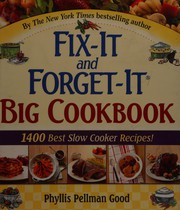
A beloved, widely-used reference packed with hundreds of braises, stews, and one-pot dinners — great for expanding your recipe repertoire and seeing how small variations in ingredients change outcomes.
One-Pot Mastery: Weeknight Confidence
IntermediateCombine everything learned so far to plan and execute complete one-pot slow cooker meals — proteins, vegetables, and starches together — with minimal active time and maximum flavor payoff.
▸ Study plan for this stage
Pace: 4–5 weeks, ~40–50 pages/day, with 2–3 cooking sessions per week
- Layering proteins, vegetables, and starches in a single slow cooker without overcrowding or uneven cooking
- Timing and sequencing: when to add ingredients so everything finishes together at the right texture
- Flavor-building techniques (browning, aromatics, spice blooming) that work within slow cooker constraints
- Liquid management and thickening strategies to achieve proper sauce consistency in one-pot meals
- Adapting recipes to work with common pantry staples and seasonal vegetables while maintaining balance
- Troubleshooting common one-pot problems: watery dishes, undercooked starches, mushy vegetables, bland results
- Planning complete meals (protein + starch + vegetable) with realistic prep and cooking timelines
- How do you layer proteins, vegetables, and starches in a slow cooker to ensure even cooking and proper texture for each component?
- What are the key differences in cooking times between root vegetables, leafy greens, and tender vegetables, and how do you account for them in a single-pot meal?
- How can you build deep flavor in a slow cooker meal without sautéing on the stovetop, or when should you sauté first?
- What techniques prevent a one-pot slow cooker meal from becoming watery or bland, and how do you adjust liquid and seasonings?
- How do you plan a complete weeknight meal (protein + starch + vegetable) that fits realistic prep and cooking schedules?
- What are the most common failures in one-pot slow cooker cooking, and how do you diagnose and fix them?
- Cook 3 complete one-pot meals from 'The Complete Slow Cooker' that combine protein, starch, and vegetables; document cooking times and final textures for each component
- Adapt 2 recipes from Diane Phillips' book by substituting vegetables or starches based on what's in your pantry; note what changes you made and how they affected the result
- Prepare and execute a weeknight meal with less than 15 minutes of active prep time; time yourself and evaluate whether the result justifies the convenience
- Intentionally create one 'problem' meal (oversalted, watery, or undercooked starch) and troubleshoot it; document what went wrong and how you'd fix it next time
- Plan a complete week of slow cooker dinners using recipes from both books; organize your shopping list by ingredient overlap to maximize efficiency
- Cook one recipe from 'The Complete Slow Cooker' and one from Diane Phillips' book side-by-side (or back-to-back) using the same protein; compare flavor, texture, and technique differences
Next up: This stage solidifies your ability to execute complete, balanced slow cooker meals reliably, preparing you to move into advanced territory where you'll learn to troubleshoot for specific dietary needs, scale recipes for entertaining, and master specialized techniques like braising and slow-cooking for texture contrast.
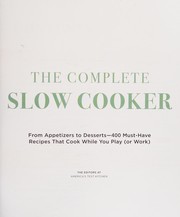
A comprehensive, organized reference that consolidates braising, stewing, and one-pot strategies into a single volume, helping you internalize a repeatable process for any weeknight meal.

Diane Phillips focuses on elegant, flavor-forward slow cooker meals that feel special without extra effort — a great bridge from reliable basics to genuinely impressive weeknight cooking.
Discussion
Keep reading
Paths that share books, cover the same subject, or open a related topic.