Knife skills: the best books to cut, chop, and slice like a chef
This curriculum takes a beginner from zero knife knowledge to confident, efficient kitchen technique across four progressive stages. Each stage builds on the last — starting with foundational cooking literacy and knife basics, moving through dedicated technique and sharpening practice, and culminating in professional-level breakdown skills and culinary intuition.
Foundations: Kitchen Literacy & First Cuts
BeginnerUnderstand how a kitchen works, why knives matter, and learn the essential vocabulary of cuts, grips, and safety before picking up a blade seriously.
▸ Study plan for this stage
Pace: 4–5 weeks, ~25–30 pages/day. Start with "Salt, Fat, Acid, Heat" (Weeks 1–2, ~150 pages), then move to "Jacques Pépin New Complete Techniques" (Weeks 3–5, focusing on Part 1: Knife Skills & Basic Techniques, ~100 pages). Allocate 2–3 days per week for hands-on practice.
- The four pillars of cooking (salt, fat, acid, heat) and how they create flavor—the foundation for understanding why technique matters
- Kitchen mise en place: organization, setup, and the role of knives in efficient prep work
- Proper grip, stance, and hand position for safety and control—the non-negotiable foundation before any cut
- The five essential cuts (julienne, brunoise, chiffonade, dice, mince) and when to use each based on cooking goals
- Knife anatomy: blade shape, edge type, and how different knives serve different purposes
- The relationship between knife sharpness and safety—dull knives are more dangerous than sharp ones
- Claw grip and knife guide hand technique to prevent injury while building muscle memory
- Why does salt, fat, acid, and heat matter to knife skills and food preparation? How does proper cutting technique relate to these four pillars?
- What is mise en place, and why is it essential before you begin cutting?
- Describe the proper grip, hand position, and stance for safe knife work. What is the claw grip and why is it critical?
- What are the five essential cuts (julienne, brunoise, chiffonade, dice, mince), and when would you use each one in a recipe?
- Why is a sharp knife safer than a dull knife? How does blade sharpness affect your technique and control?
- What are the key differences between a chef's knife, paring knife, and serrated knife, and what tasks is each designed for?
- Read Part 1 of 'Salt, Fat, Acid, Heat' and create a one-page flavor map showing how salt, fat, acid, and heat interact in a dish you cook regularly
- Set up a complete mise en place for a simple recipe (e.g., a vegetable stir-fry or soup). Photograph it and reflect on how organization affects your confidence and speed
- Practice the claw grip and knife guide hand position for 10 minutes daily for one week without cutting anything—build muscle memory first
- Using a dull knife, then a sharp knife, cut the same vegetable (e.g., carrot) and compare the effort, control, and safety. Document your observations
- Cut one vegetable (e.g., an onion) using each of the five essential cuts: julienne, brunoise, chiffonade, dice, and mince. Label and photograph each result
- Work through Jacques Pépin's step-by-step knife technique photos and video demonstrations (if available). Replicate his hand positions in front of a mirror before attempting actual cuts
Next up: This stage grounds you in the *why* (flavor and safety) and the *how* (grip, stance, cuts) so that the next stage can focus on applying these techniques to real recipes and building speed and precision through repetition.
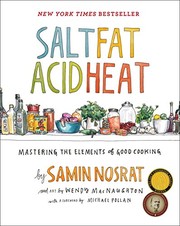
Builds foundational cooking intuition and vocabulary so knife work has meaningful context — you learn *why* prep matters before focusing on *how* to cut.

A richly illustrated classic that introduces the pinch grip, the claw, and fundamental cuts (dice, julienne, chiffonade) in a beginner-friendly, step-by-step visual format.
Core Technique: Grips, Cuts & Efficiency
BeginnerMaster the primary knife grips, execute the six essential cuts (slice, dice, mince, julienne, chiffonade, brunoise), and develop safe, efficient habits at the board.
▸ Study plan for this stage
Pace: 4–5 weeks, ~25–30 pages/day, with 2–3 dedicated practice sessions per week at the cutting board
- The three primary knife grips (claw, pinch, and guide hand positioning) and why each stabilizes the knife and protects fingers
- The mechanics of the six essential cuts: slice, dice, mince, julienne, chiffonade, and brunoise—their definitions, use cases, and technique differences
- Knife selection and maintenance: blade geometry, sharpness, and how edge quality directly impacts cut precision and safety
- The relationship between knife angle, hand position, and cutting efficiency—how small adjustments compound into speed and consistency
- Safe cutting habits: proper stance, board placement, rhythm, and muscle memory to prevent injury and fatigue
- How ingredient size, shape, and texture affect cut choice and execution—adapting technique to the food itself
- Describe the three primary knife grips and explain when and why you would use each one
- What are the six essential cuts, and what is the primary difference in technique and output between a dice and a brunoise?
- How does blade sharpness affect both the quality of your cuts and your safety at the cutting board?
- Explain the relationship between hand position (claw grip, guide hand) and knife angle when executing a julienne or chiffonade
- Why is rhythm and consistency more important than speed when developing knife skills, and how do you build this habit?
- How would you adapt your cutting technique if you were working with a soft ingredient (e.g., tomato) versus a hard ingredient (e.g., carrot)?
- Grip drills: Practice each of the three primary grips (claw, pinch, guide hand) for 5–10 minutes daily without a knife, then with a dull knife, focusing on hand position and comfort before cutting food
- Slice practice: Cut 2–3 pounds of onions or carrots into uniform slices using proper claw grip and guide hand; aim for consistency over speed
- Dice progression: Start with ½-inch dice on potatoes or bell peppers, then progress to ¼-inch dice, checking uniformity with a ruler or grid
- Mince exercise: Mince a bunch of parsley or garlic, focusing on the rocking motion and maintaining the claw grip throughout; repeat 3–4 times
- Julienne and brunoise challenge: Cut carrots into julienne (matchstick) and then brunoise (¼-inch cubes), measuring a few pieces to verify size consistency
- Chiffonade practice: Stack and roll basil or other leafy herbs, then slice into thin ribbons; practice on 2–3 different herbs to adapt to varying leaf texture and size
- Knife maintenance routine: Sharpen your knife using a honing steel or whetstone weekly, and practice stropping to maintain edge; document the difference in cut quality before and after sharpening
- Timed consistency test: Set a timer and cut one ingredient (e.g., 1 pound of onions) into uniform dice, then measure 10 random pieces to assess size variation; repeat weekly to track improvement
Next up: This stage builds the foundational muscle memory, hand safety, and technical precision needed to move into intermediate knife work, where you'll apply these grips and cuts to more complex ingredients, larger volumes, and specialized techniques like breaking down whole fish or poultry.
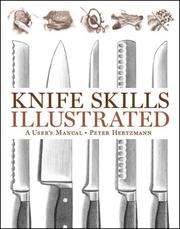
The most focused, dedicated knife-skills book available — covers every grip, cut, and board technique with precise diagrams, making it the core text of this curriculum.

Reinforces knife technique through the lens of *why* cuts affect cooking outcomes (surface area, texture, browning), deepening understanding beyond rote repetition.
Sharpening & Knife Care
IntermediateUnderstand knife steel, blade geometry, and sharpening systems so you can maintain a razor edge with whetstones, honing rods, and strops.
▸ Study plan for this stage
Pace: 4–5 weeks, ~20–25 pages/day, with 2–3 days per week dedicated to hands-on sharpening practice
- Steel composition and hardness (carbon, stainless, and specialty alloys) and how it affects edge retention and corrosion resistance
- Blade geometry: edge angle, spine thickness, and belly curvature, and how these dimensions determine cutting performance
- The mechanics of sharpening: how abrasives remove steel and reshape the blade's apex
- Whetstone grits and progression (coarse, medium, fine) and when to use each in a sharpening sequence
- Honing rods versus whetstones: the difference between realigning the edge and actually removing metal
- Stropping technique and compound selection for polishing and maintaining edges between sharpenings
- Common sharpening mistakes and how to diagnose and correct them
- Maintenance routines: how to integrate sharpening, honing, and stropping into regular knife care
- What are the key differences between carbon steel, stainless steel, and specialty alloys, and how do these differences affect how you sharpen and maintain each type?
- How does blade geometry (edge angle, spine thickness, and belly shape) influence both cutting performance and the sharpening process?
- What is the difference between honing and sharpening, and when should you use a honing rod versus a whetstone?
- Walk through a complete sharpening progression on a whetstone: which grits would you use, in what order, and why?
- How do you know when a knife needs sharpening versus honing, and what are the signs of a dull or damaged edge?
- Describe the stropping process: what compounds work best, how do you apply them, and how often should you strop?
- Sharpen a dull knife using a three-grit progression (coarse, medium, fine whetstones) and document the edge angle and pressure you use
- Practice honing the same knife with a steel or ceramic rod daily for one week and compare edge retention to a knife that is only sharpened
- Strop a knife on leather with stropping compound and perform the paper-slicing test before and after to measure the improvement
- Examine the edge of a freshly sharpened knife under magnification (loupe or microscope) and identify the apex; repeat after one week of use to see how it degrades
- Sharpen three different knife types (chef's knife, paring knife, serrated knife) and adjust your technique based on each blade's geometry and steel type
- Create a maintenance log for one of your knives over 4 weeks: record sharpening dates, honing frequency, stropping sessions, and cutting performance notes
Next up: This stage equips you with the knowledge and muscle memory to maintain a sharp edge independently, setting the foundation for the next stage where you'll apply these skills to specific cutting techniques and learn how blade sharpness directly impacts your knife work and safety in the kitchen.

The definitive English-language guide to knife selection, metallurgy, and sharpening — covers whetstones, steels, and strops with the depth needed to truly maintain your tools.
Advanced Breakdown: Proteins, Produce & Professional Speed
ExpertApply knife skills to whole-animal butchery, fish fabrication, and complex vegetable work, developing the speed and economy of motion used by professional cooks.
▸ Study plan for this stage
Pace: 8–10 weeks, ~40–50 pages/day, with 2–3 days per week dedicated to hands-on practice
- Whole-animal butchery fundamentals: breaking down primals into subprimals and retail cuts with anatomical understanding
- Fish fabrication techniques: filleting, pin-boning, and breaking down whole fish into usable components
- Knife grip, stance, and economy of motion for speed and safety during repetitive cutting tasks
- Understanding muscle structure, connective tissue, and bone placement to make efficient, clean cuts
- Nose-to-tail philosophy: maximizing yield and utilizing every part of the animal to reduce waste
- Professional speed development: building muscle memory through deliberate, efficient cutting patterns
- Vegetable knife work at advanced level: brunoise, julienne, and complex cuts on varied produce shapes
- Sanitation and food safety protocols specific to raw protein handling and cross-contamination prevention
- How do you break down a whole chicken, beef primal, or fish into its component parts, and what are the anatomical landmarks that guide each cut?
- What is the nose-to-tail philosophy, and how does understanding it change the way you approach butchery and ingredient utilization?
- How do professional knife grip, body positioning, and cutting rhythm contribute to both speed and injury prevention?
- What are the key differences between fabricating round fish versus flatfish, and how does this knowledge affect your approach to each?
- How do you identify and work around connective tissue, silverskin, and bone to maximize yield and minimize waste?
- What advanced vegetable cuts are essential for professional kitchen work, and how do you execute them consistently and quickly?
- Break down 5–10 whole chickens in succession, timing yourself and focusing on identifying the natural seams between joints; track improvement in speed and cleanliness of cuts
- Fabricate 3–5 whole fish (mix of round and flatfish species), practicing pin-bone removal and fillet techniques until you achieve minimal flesh loss and consistent thickness
- Practice beef primal breakdown (chuck, rib, loin, round) using The Professional Chef's diagrams; identify subprimals and retail cuts, then practice the same breakdown weekly to build speed
- Execute brunoise, julienne, and batonnet cuts on 10+ different vegetables (carrots, potatoes, celery, onions) at increasing speed, aiming for uniform size and shape
- Prepare an entire nose-to-tail meal using one animal (chicken, rabbit, or fish), utilizing bones for stock, organs for pâté or sauce, and trim for forcemeat
- Film yourself performing a full chicken or fish breakdown, then review for wasted motion, grip inefficiency, or safety issues; repeat weekly to document improvement
Next up: This stage transforms you from a competent home cook into someone who understands the professional logic behind ingredient selection, yield, and knife technique—preparing you to tackle specialized cuisines, advanced plating, or professional kitchen environments where speed, consistency, and waste reduction are non-negotiable.

The industry-standard culinary school textbook — its knife and fabrication chapters cover whole chicken breakdown, fish filleting, and precision vegetable cuts at a professional level.

Challenges the reader to work with unfamiliar whole cuts and offal, pushing knife confidence and adaptability far beyond standard prep work.
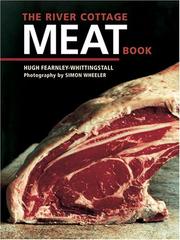
Provides thorough, illustrated guidance on breaking down whole carcasses and large primal cuts, cementing advanced butchery knife skills with clear technique explanations.
Discussion
Keep reading
Paths that share books, cover the same subject, or open a related topic.