Smoke meat like a backyard pitmaster
This curriculum takes a complete beginner from backyard curiosity to confident pit master, moving through four tightly sequenced stages. Each stage builds on the last — first establishing the "why" behind low-and-slow cooking, then mastering fire and smoke, then tackling the classic cuts with real technique, and finally going deep into the craft-level thinking that separates good barbecue from great barbecue.
Foundations: The Barbecue Mindset
BeginnerUnderstand what low-and-slow barbecue actually is, build core vocabulary (bark, stall, smoke ring, connective tissue, etc.), and get excited enough to light a fire with confidence.
▸ Study plan for this stage
Pace: 6–8 weeks total. Week 1–4: BBQ USA by Steven Raichlen (~25–30 pages/day, focusing on introductory essays, technique sections, and regional chapters rather than every recipe). Week 5–8: Smokestack Lightning by Lolis Eric Elie (~15–20 pages/day — this is a narrative travelogue, so read it slowly and r
- Low-and-slow cooking: the defining principle that barbecue uses indirect heat at low temperatures (225–275°F) over long periods to transform tough, collagen-rich cuts into tender, flavorful meat
- The Big Four regional styles: Raichlen's tour of Texas (beef-centric, post-oak smoke), Carolina (whole-hog and pulled pork with vinegar sauces), Kansas City (sweet tomato-based sauces, variety of meats), and Memphis (dry-rub ribs) establishes the American barbecue map
- Core vocabulary — bark (the dark, flavorful crust formed by the Maillard reaction and smoke adhesion), the stall (the plateau around 150–170°F where evaporative cooling halts internal temperature rise), smoke ring (the pink layer just under the surface caused by nitric oxide from wood smoke reacting
- Wood and smoke as seasoning: Raichlen introduces the flavor profiles of different woods (hickory, mesquite, fruit woods, oak) and how smoke density and color (thin blue vs. thick white) affect the final product
- Barbecue as culture and identity: Smokestack Lightning reframes barbecue not as a cooking technique but as a living cultural tradition — Elie's road trip reveals how race, region, family lineage, and community are inseparable from the smoke
- The pitmaster tradition: Elie's portraits of legendary pitmasters illustrate that mastery is passed down through apprenticeship and feel, not recipes — building respect for the craft before the reader ever lights a fire
- Equipment fundamentals introduced by Raichlen: the differences between offset smokers, kettle grills, water smokers, and ceramic cookers, and how each manages airflow and heat
- Patience and process over shortcuts: both books, in very different registers, argue that authentic barbecue cannot be rushed — internalizing this mindset is the true goal of this stage
- In your own words, what separates true low-and-slow barbecue from grilling, and why does that distinction matter for choosing cuts of meat?
- Name the four major American regional barbecue styles introduced in BBQ USA and describe at least one defining characteristic — fuel, meat, or sauce — of each.
- What is 'the stall,' what causes it physically, and why should a beginner know about it before their first long smoke?
- How does Smokestack Lightning challenge or deepen the purely technical picture of barbecue that BBQ USA presents? What does Elie argue barbecue means beyond food?
- What role does wood selection play in flavor, and how would you describe the difference between thin blue smoke and thick white smoke based on Raichlen's guidance?
- After reading Elie's portraits of pitmasters, how would you describe the way barbecue knowledge is traditionally transmitted, and what does that suggest about how you should approach learning it yourself?
- Vocabulary flashcard build: As you read BBQ USA, create a physical or digital flashcard for every technical term Raichlen introduces (bark, stall, smoke ring, bark, collagen, rendering, etc.) — write the term on one side and a definition in your own words on the other. Aim for 20–30 cards by the end of the book.
- Regional barbecue map: Draw or print a blank map of the United States and, using BBQ USA as your source, annotate each major region with its dominant meat, wood, sauce style, and one iconic dish. Pin it somewhere visible while you cook.
- First fire drill (no meat required): Using whatever equipment you have access to (kettle grill, offset smoker, or even a simple charcoal chimney), practice building and sustaining a fire at a target temperature of 250°F for 90 minutes using only airflow adjustments. Log your temperature every 15 minutes. The goal is feel, not food.
- Wood smoke identification: Source two or three different wood chunks or chips (e.g., hickory, apple, and oak). Light a small fire with each separately and observe the color and smell of the smoke. Write a two-sentence tasting note for each, referencing Raichlen's descriptions.
- Smokestack Lightning reading journal: For each pitmaster or barbecue joint Elie profiles, write 3–5 sentences capturing: who they are, what makes their barbecue distinctive, and one thing they said or did that surprised you. This builds the cultural literacy that underpins the whole curriculum.
- First real smoke: Cook a single bone-in pork shoulder (Boston butt) low-and-slow at 225–250°F until it reaches an internal temperature of 200–205°F. Document the entire cook in a log: start time, fuel used, wood used, temperature readings every 30 minutes, when the stall hit, and your sensory observations of the bark and smoke ring when you slice it open.
Next up: Mastering the vocabulary, regional map, and cultural respect built here gives the reader the conceptual scaffolding and genuine motivation needed to move into deeper technical study of specific cuts, fire management, and wood science in the next stage.
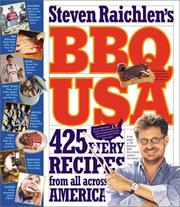
A sweeping, accessible survey of American regional barbecue traditions that gives beginners a mental map of the whole landscape — styles, fuels, cuts, and regional culture — before diving into technique.
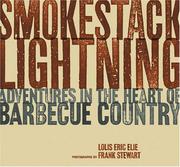
A narrative road trip through the great American barbecue belt that builds cultural context and reverence for the craft, helping the learner understand *why* low-and-slow matters before they learn *how*.
Fire & Smoke: Learning the Pit
BeginnerMaster fire building, fuel selection (wood vs. charcoal), temperature management, smoke quality, and equipment choices — the non-negotiable physical skills of barbecue.
▸ Study plan for this stage
Pace: 3–4 weeks, ~20–25 pages/day; read the science-forward opening chapters slowly and re-read any section on fire management or smoke before your first live cook
- The 'Maillard reaction' and other food-science principles Goldwyn uses to explain why barbecue works the way it does — understanding the 'why' behind every technique
- Fuel selection: the flavor, burn-temperature, and practical trade-offs between lump charcoal, briquettes, and hardwood logs/chunks/chips, as laid out in Meathead's fuel chapter
- The Two-Zone Fire: Goldwyn's foundational setup — a hot direct-heat zone and a cooler indirect-heat zone — and why nearly every cook starts here
- Temperature management: controlling airflow via vents (intake and exhaust dampers), lid position, and fuel quantity to hold a steady pit temperature, typically 225–275 °F for low-and-slow
- Smoke quality — 'thin blue smoke' vs. thick white or black smoke: Goldwyn's explanation of clean combustion, why acrid smoke ruins meat, and how to achieve the ideal smoke ring
- Equipment choices: Goldwyn's honest evaluation of kettle grills, offset smokers, kamado-style cookers, and gas/electric options — matching the tool to the cook's goals and budget
- Meat temperature as the true doneness indicator: using a reliable instant-read thermometer rather than time or color, a principle Goldwyn hammers throughout
- Salt, dry brines, and rubs as the chemical bridge between fire science and flavor — understanding how salt penetrates meat before the cook even begins
- According to Goldwyn, what is the Maillard reaction and at what approximate surface temperature does it occur — and why does this matter when deciding between direct and indirect heat?
- What are the practical differences between lump charcoal and briquettes in terms of burn temperature, ash production, and flavor, and when does Meathead recommend each?
- Describe Goldwyn's Two-Zone Fire setup on a standard kettle grill: how do you build it, and what is each zone used for during a typical cook?
- What does 'thin blue smoke' look like and mean chemically, and what causes the thick white or acrid black smoke you must avoid?
- How do the intake and exhaust vents on a charcoal grill interact to control both temperature and oxygen supply — what happens when you close each one?
- Why does Goldwyn insist on a calibrated thermometer over the built-in lid gauge, and what internal temperatures does he cite as targets for common barbecue cuts like pork butt or brisket?
- Build a Two-Zone Fire on whatever grill or smoker you own: light charcoal, arrange it to one side, place a drip pan on the other, and hold 250 °F (±15 °F) for 90 minutes using only the vents — log every vent adjustment and the resulting temperature change
- Conduct a fuel comparison cook: smoke two identical chicken thighs simultaneously — one over lump charcoal with a hardwood chunk, one over briquettes with a wood chip pouch — taste and note flavor, bark color, and cook time differences
- Smoke quality drill: deliberately create thick white smoke (smother the fire briefly), then bring it back to thin blue smoke by opening vents and adding a small amount of fresh fuel — observe and sketch the visual difference in your cook journal
- Calibrate your thermometer using the boiling-water method (212 °F / 100 °C at sea level), then probe a cook at multiple points to map hot and cool spots inside your cooker — draw a heat-map diagram of your equipment
- Dry-brine a pork shoulder or chicken overnight with kosher salt (as Goldwyn instructs), apply a simple rub, then execute a full low-and-slow cook from cold grill to target internal temperature, logging pit temp and meat temp every 30 minutes
- Equipment audit: using Goldwyn's equipment criteria, write a one-page evaluation of the cooker you currently own (or plan to buy) — rate it on heat retention, vent control, fuel capacity, and ease of adding fuel mid-cook
Next up: Mastering fire, smoke, and temperature control with Meathead's science-first framework gives you the stable, repeatable pit environment you'll need to tackle the longer cooks, cut-specific techniques, and regional style variations that define intermediate barbecue work.

Demystifies the physics and chemistry of fire, smoke, and meat with rigorous but readable science — after reading this, the learner understands *why* every fire management decision matters, not just what to do.
The Classic Cuts: Technique in Practice
IntermediateExecute the canonical low-and-slow cuts — brisket, pork shoulder, ribs, and whole hog — with correct trimming, seasoning, smoke management, and resting technique.
▸ Study plan for this stage
Pace: 6–8 weeks total: Weeks 1–3 cover Rodney Scott's World of BBQ (~20–25 pages/day, including re-reading pit-management and whole-hog sections); Weeks 4–6 cover Legends of Texas Barbecue Cookbook (~20–25 pages/day, with close attention to brisket and beef-rib chapters); Week 7–8 reserved for cross-refer
- Whole-hog philosophy and fire management: Rodney Scott's direct-heat, wood-burning pit method — understanding how airflow, coal bed depth, and distance from the heat source govern cook temperature across a large animal
- Trimming and prep discipline: Scott's approach to splitting, scoring, and seasoning the hog (and his vinegar-pepper mop sauce) as a template for understanding how surface prep affects smoke penetration and bark formation
- Low-and-slow time-and-temperature logic: recognizing the stall (collagen-to-gelatin conversion) in pork shoulder and brisket, and learning to read the meat rather than the clock
- Texas brisket technique as documented in Legends of Texas Barbecue: post-oak smoke selection, fat-cap trimming decisions, the 'naked' vs. wrapped debate, and the role of a simple salt-and-pepper rub in letting smoke and beef flavor dominate
- Regional rub and seasoning philosophy: contrasting Scott's South Carolina vinegar-based, mop-heavy style with the minimalist Central Texas dry-rub tradition described by Walsh — understanding why each approach suits its cut and cooking method
- Smoke management and wood selection: matching wood species (hickory and fruit woods in Scott; post oak in Walsh's Texas profiles) to cut, cook time, and desired smoke-ring depth
- Resting technique: why resting brisket wrapped in butcher paper or in a cambro matters for juice redistribution, and how Scott handles resting a whole hog before pulling
- Reading pit masters as primary sources: Walsh's oral-history interviews with Texas legends (Kreuz Market, Smitty's, Snow's BBQ) as a method for extracting transferable technique from narrative accounts
- After reading Rodney Scott's World of BBQ, can you describe the step-by-step process Scott uses to build and manage his fire for a whole hog, including how he adjusts heat during a long overnight cook?
- What is the role of Scott's vinegar-pepper mop sauce — when is it applied, how often, and what functional purpose does it serve beyond flavor?
- Based on Legends of Texas Barbecue, what distinguishes the brisket technique of Central Texas pit masters (wood choice, rub composition, wrapping decisions) from the pork-centric traditions Scott represents, and why do those differences exist?
- How do both books treat the concept of 'doneness' — what physical cues (probe feel, bend test, color, bone pull) do Scott and the Texas pit masters described by Walsh use instead of relying solely on a thermometer?
- What can you infer from Walsh's interviews with pit masters at places like Snow's BBQ or Kreuz Market about how equipment (offset smoker vs. direct pit) shapes technique, and how would you adapt those lessons to a backyard setup?
- How do the resting and holding practices described across both books affect the final texture and moisture of brisket versus pulled pork, and what practical steps would you take to replicate them at home?
- Whole-hog or pork-shoulder fire build (Scott method): Using Rodney Scott's World of BBQ as your guide, practice building a coal bed from hardwood (hickory or oak) and maintaining a target pit temperature of 225–250 °F for at least 4 hours, logging temperature and adjustments every 30 minutes.
- Brisket trim-and-rub drill: Source a full packer brisket, trim the fat cap to ~¼ inch following the philosophy described in Legends of Texas Barbecue, apply a salt-and-pepper-only rub, and cook over post oak (or oak) to internal probe-tender (~200–205 °F), resting in butcher paper for at least 1 hour before slicing.
- Mop sauce formulation and application: Prepare Rodney Scott's vinegar-pepper mop sauce from his book and practice applying it at the intervals he specifies during a pork shoulder cook — document how bark development differs on mopped vs. un-mopped sections if you cook two shoulders simultaneously.
- Pit-master interview analysis: Select three pit-master profiles from Legends of Texas Barbecue and write a one-page 'technique extract' for each — pulling out wood choice, fire management style, rub or seasoning approach, and any unique holding/resting methods mentioned.
- Stall management experiment: Cook a pork shoulder or brisket without wrapping and document the stall (the plateau typically between 150–170 °F) in real time — note duration, ambient pit temp, and how you managed it; then repeat with a Texas crutch (butcher paper wrap) and compare bark, moisture, and total cook time.
- Blind tasting and critique: Prepare one Scott-style pulled pork (vinegar mop, direct heat) and one Texas-style brisket slice (minimal rub, offset smoke) for the same group of tasters; use Walsh's tasting language from Legends of Texas Barbecue to guide a structured evaluation of smoke ring, bark, smoke flavor intensity, and moisture.
Next up: Mastering these canonical cuts and their regional techniques builds the sensory vocabulary and fire-management intuition needed to tackle the next stage, where more advanced variables — custom rub development, alternative fuels, competition-style presentation, and non-traditional cuts — demand a confident baseline in the fundamentals established by Scott and Walsh.

Provides the essential counterpoint to Franklin's Central Texas style with South Carolina whole-hog tradition, broadening the learner's technique toolkit and deepening their feel for long, wood-fired cooks.
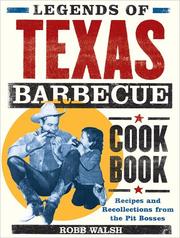
Documents the techniques of Texas's legendary pitmasters cut by cut, reinforcing and expanding what Franklin taught while exposing the learner to the full range of classic Texas low-and-slow preparations.
Mastery: Craft-Level Thinking
ExpertDevelop the intuition, troubleshooting ability, and creative range of an experienced pit master — reading the fire, adjusting on the fly, and understanding barbecue as a living craft.
▸ Study plan for this stage
Pace: 10–13 weeks total: ~3 weeks on "The Prophets of Smoked Meat" (immersive, narrative-heavy; read 20–25 pages/day and revisit pit-master profiles slowly); ~3–4 weeks on "Hardcore Carnivore" (technique-dense; 15–20 pages/day with active kitchen sessions alongside); ~4–5 weeks on "The Barbecue! Bible" (e
- Reading the fire intuitively — understanding how airflow, fuel type, and coal bed behavior communicate what the cook needs to do next, as modeled by the Texas pit masters profiled in 'The Prophets of Smoked Meat'
- Regional identity and barbecue philosophy — how geography, culture, wood availability, and tradition shape distinct styles (Central Texas brisket culture in Vaughn; global traditions in Raichlen)
- Aggressive seasoning and crust (bark) science — Jess Pryles' 'Hardcore Carnivore' approach to salt timing, rub layering, and Maillard reaction management to build maximum bark without burning
- Meat selection at a craft level — understanding grade, fat distribution, aging, and cut variation and how each variable changes the cook strategy, emphasized across all three books
- Troubleshooting in real time — diagnosing stalls, temperature spikes, over-smoke, under-smoke, and moisture loss mid-cook and adjusting without starting over
- Global technique cross-pollination — Raichlen's 'The Barbecue! Bible' exposes the reader to grilling and smoking traditions from 25+ countries, building the creative range to borrow and adapt methods
- The craft mindset: barbecue as a living, iterative practice — treating every cook as data, keeping a pit log, and developing personal instinct over reliance on timers and thermometers
- Flavor architecture — layering wood smoke character, rub chemistry, mop/spritz timing, and finishing sauces into a coherent, intentional flavor profile rather than following recipes mechanically
- After reading 'The Prophets of Smoked Meat,' can you articulate what separates the philosophy of a Central Texas pit master from a recipe-follower — and what specific practices (wood choice, no-sauce tradition, open-pit management) embody that philosophy?
- Drawing on 'Hardcore Carnivore,' explain the role of salt timing in bark formation: why does Pryles advocate for early, heavy salting, and how does that interact with moisture, pellicle formation, and the Maillard reaction?
- Using 'The Barbecue! Bible' as your reference, compare and contrast at least three regional or national barbecue traditions — what fuels, cuts, flavor profiles, and techniques define each, and what can a pit master borrow across traditions?
- You are 6 hours into a 12-hour brisket cook and the internal temperature has been stuck at 155°F for 90 minutes. Drawing on all three books, walk through your diagnostic process and the adjustments you would consider.
- How does Jess Pryles approach the relationship between high heat and smoke in 'Hardcore Carnivore,' and how does that challenge or complement the low-and-slow orthodoxy described in Vaughn's pit-master profiles?
- What does Steven Raichlen's global survey in 'The Barbecue! Bible' reveal about the universality of live-fire cooking, and how would you use that perspective to design an original recipe that fuses techniques from two different traditions?
- Pit-master journal: For every cook during this stage, keep a written log (fuel type and quantity, ambient temp, pit temp curve, meat weight, internal temp at 30-min intervals, adjustments made, and tasting notes) — model this on the obsessive craft attention documented in 'The Prophets of Smoked Meat'
- The Pryles bark challenge: Execute Jess Pryles' aggressive dry-brine and rub method from 'Hardcore Carnivore' on a full packer brisket or bone-in short ribs; photograph the bark at wrap decision, at pull, and at slice — then write a one-page self-critique comparing your bark to her described ideal
- Fire-reading drill: Cook a 4–6 hour session using only visual and tactile cues (smoke color, coal glow, vent behavior) to manage temperature — no thermometer on the pit, only a probe in the meat; record how often you were within 25°F of your target and what you learned
- Global technique cook-off: Select recipes from at least three different countries in 'The Barbecue! Bible' (e.g., Argentinian asado, Korean bulgogi-style grilling, Jamaican jerk) and cook all three in a single weekend; write tasting notes identifying the defining technique or flavor principle of each
- Troubleshooting simulation: Intentionally introduce a variable disruption mid-cook (open the lid for 15 minutes, add wet wood, let the fire drop 50°F) and practice recovering — document the recovery strategy and how long it took to restabilize, applying principles from all three books
- Original recipe design: Using Raichlen's global flavor matrix as inspiration and Pryles' technique discipline as a framework, develop and cook a fully original recipe — write it up with a rationale for every decision (cut, wood, rub, cook temp, finish) as if submitting it for publication
Next up: By internalizing the pit-master philosophy of Vaughn, the technique precision of Pryles, and the global creative range of Raichlen, the reader has moved from executing recipes to thinking like a craftsperson — a foundation that makes any future deep-dive into competition barbecue, food science, or professional-level menu development immediately accessible.

A deep, critical tour of Texas barbecue culture that trains the learner to evaluate and taste barbecue analytically — essential for developing a discerning palate and a personal point of view.

Pushes into advanced rubs, wood pairings, and bold flavor-building strategies that challenge the now-experienced cook to experiment deliberately rather than follow recipes.
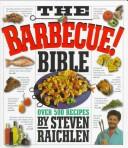
Revisiting Raichlen at this stage — after real pit experience — unlocks its deeper technique layers and global flavor perspectives, cementing the learner's ability to adapt and innovate beyond the classics.
Discussion
Keep reading
Paths that share books, cover the same subject, or open a related topic.