Seafood and fish cookery: essential books to cook fish with confidence
This curriculum takes a beginner from zero seafood knowledge to restaurant-quality cooking across four carefully sequenced stages. Each stage builds on the last — starting with how to shop and handle fish, moving through fundamental techniques, then mastering specific methods and shellfish, and finally reaching the refined, professional-level thinking needed for truly exceptional results.
Foundations: Buying, Handling & Kitchen Confidence
BeginnerUnderstand how to select, store, and safely handle fresh fish and shellfish, and build the essential vocabulary and mindset of a seafood cook before touching a pan.
▸ Study plan for this stage
Pace: 2–3 weeks, ~20–25 pages/day (approximately 150–200 pages total)
- How to identify fresh fish by appearance, smell, and texture (eyes, gills, flesh firmness, skin clarity)
- Understanding fish anatomy and how it relates to cutting, cooking, and flavor (skeletal structure, fat distribution, muscle types)
- Proper storage methods for fish and shellfish to maintain quality and safety (temperature, timing, ice, containers)
- Safe handling practices to prevent cross-contamination and foodborne illness (clean surfaces, separate cutting boards, hand hygiene)
- The relationship between fish type, fat content, and cooking method suitability (lean vs. fatty fish, delicate vs. firm flesh)
- Essential seafood vocabulary and terminology (white fish, oily fish, shellfish, mollusks, crustaceans, fileting, scaling)
- Building confidence and intuition as a seafood cook through observation and hands-on familiarity with whole fish
- What are the three most reliable signs that a whole fish is fresh, and how would you explain them to someone at a fishmonger?
- How should you store fresh fish at home, and why does timing matter?
- What is the difference between lean and fatty fish, and why does this matter for choosing a cooking method?
- Walk through the safe handling steps you would take from bringing fish home to preparing it for cooking.
- How can you tell the difference between a fish that is suitable for delicate poaching versus one that can handle high-heat searing?
- What basic cuts or preparations does Bittman emphasize as foundational skills, and why are they important?
- Visit a fishmonger or fish counter and examine 3–4 whole fish. Practice identifying freshness markers (eye clarity, gill color, flesh firmness). Ask the fishmonger questions about origin, handling, and storage.
- Buy a whole fresh fish and practice the basic cuts Bittman demonstrates: scaling, gutting, and filleting. Photograph or sketch your process and note what you learn about the fish's anatomy.
- Set up a proper home storage system for fish: designate a clean container, prepare an ice bath, and store a piece of fish for 2–3 days while monitoring quality decline.
- Create a simple reference chart or flashcard set of seafood vocabulary (fish types, cuts, handling terms) from Bittman's book to build fluency.
- Prepare two different fish types (one lean, one fatty) using the same simple method (e.g., pan-searing) and compare how they cook, taste, and feel. Document the differences.
- Practice cross-contamination prevention: set up a mock kitchen prep scenario with separate cutting boards, utensils, and cleaning stations. Walk through the steps without actual fish first, then repeat with real fish.
Next up: This stage builds the sensory knowledge and safety foundation needed to confidently approach actual cooking techniques—you'll now know what good fish looks and feels like, how to keep it safe, and why certain fish suit certain methods, setting you up to learn specific recipes and cooking approaches in the next stage.
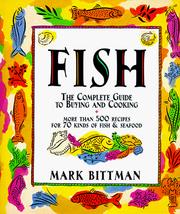
Bittman's approachable, no-nonsense style makes this the perfect second read — it demystifies dozens of species, explains what to look for at the market, and introduces simple preparations that build early confidence.
Core Techniques: Filleting, Searing & Poaching
BeginnerDevelop hands-on skills in the most essential fish cookery techniques — breaking down a whole fish, achieving a perfect sear, and mastering gentle moist-heat methods like poaching and steaming.
▸ Study plan for this stage
Pace: 4–5 weeks, ~20–25 pages/day, with 2–3 dedicated practice days per week for hands-on technique work
- Anatomy of whole fish and how to identify key parts (backbone, pin bones, collar) for efficient filleting
- Proper filleting technique: knife angle, hand positioning, and how to maximize yield while minimizing waste
- Searing principles: surface moisture removal, oil temperature, timing, and achieving a golden crust without overcooking the interior
- Poaching fundamentals: court-bouillon composition, temperature control (160–180°F), and how gentle heat preserves delicate fish flesh
- Steaming as a moist-heat method: equipment setup, timing by thickness, and flavor infusion through aromatics and liquids
- How to select appropriate techniques for different fish species and cuts based on fat content and texture
- What are the anatomical landmarks you use to guide your knife when filleting a whole fish, and how do they differ between flat and round fish?
- Explain the relationship between oil temperature, pan preparation, and achieving a proper sear without drying out the fish interior
- What is a court-bouillon, what are its essential components, and why is temperature control critical when poaching fish?
- How do you determine the correct poaching or steaming time for a fish fillet, and what visual and tactile cues indicate doneness?
- When would you choose poaching over searing, and vice versa, based on the type of fish and desired outcome?
- What are common filleting mistakes, and how do you correct your technique to improve yield and presentation?
- Fillet 3–5 whole fish of varying sizes (round and flat fish if possible), measuring yield percentage and noting anatomical differences; practice until you can fillet cleanly in under 5 minutes per fish
- Prepare a court-bouillon from scratch following Beard's recipe, taste it, and document the flavor balance; make it twice to develop consistency
- Sear 6–8 fish fillets under controlled conditions: vary pan temperature, oil type, and timing; photograph or document the crust color and interior doneness to identify your optimal parameters
- Poach 4–5 fillets at different temperatures (160°F, 170°F, 180°F) and compare texture, moisture, and flavor; record cooking times and observations
- Steam fillets using at least two different aromatics (citrus, herbs, ginger) and evaluate how flavors infuse; document setup and timing
- Prepare a complete dish using each technique (one seared, one poached, one steamed) with the same fish species to directly compare results and understand when to apply each method
Next up: Mastering these foundational techniques—filleting, searing, poaching, and steaming—gives you the technical foundation and confidence to explore more advanced preparations, flavor combinations, and specialized methods like braising, en papillote, and sauce-making that build on these core skills.
A canonical, technique-first text from America's foremost culinary authority. Beard systematically walks through every cooking method — baking, broiling, poaching, sautéing — giving beginners a structured technical vocabulary to build on.
Going Deeper: Grilling, Shellfish & Flavor Mastery
IntermediateMaster high-heat grilling, broiling, and the full world of shellfish — clams, mussels, shrimp, lobster, and scallops — while learning how to build complex, restaurant-caliber flavors around seafood.
▸ Study plan for this stage
Pace: 4–5 weeks, ~25–30 pages/day, with 2–3 cooking sessions per week
- Lobster anatomy, selection, and live handling: understanding the different parts (tail, claws, tomalley, roe) and how to choose quality lobsters
- High-heat cooking methods for lobster: grilling, broiling, roasting, and pan-searing to achieve caramelization and depth
- Butter-based and emulsified sauces as the foundation for lobster dishes: clarified butter, beurre blanc, hollandaise, and compound butters
- Building umami and complexity: how to layer flavors with aromatics, stocks, wine reductions, and finishing techniques
- Timing and temperature control: achieving perfectly cooked, tender lobster meat without overcooking or drying it out
- Whole-lobster and lobster-part cookery: maximizing yield and flavor from every component, including shells for stock
- Restaurant plating and presentation: how professional technique elevates a simple ingredient into a refined dish
- How do you select a live lobster, and what are the key indicators of freshness and quality?
- What are the main differences between grilling, broiling, and roasting lobster, and when would you choose each method?
- How do you make clarified butter and compound butters, and why are they essential to lobster cookery?
- What is the proper internal temperature and visual doneness for perfectly cooked lobster meat, and how do you avoid overcooking?
- How can you use lobster shells and trimmings to build a flavorful stock or sauce base?
- What are three techniques for building complex, restaurant-caliber flavors in a lobster dish?
- Purchase and inspect 2–3 live lobsters; practice humanely dispatching and breaking down a whole lobster, identifying all parts (tail, claws, tomalley, roe, legs)
- Grill a whole lobster split lengthwise; brush with clarified butter and herbs; time the cooking and assess doneness by internal temperature and meat texture
- Broil lobster tails with a compound butter (herb, garlic, and lemon); practice the technique of basting and achieving golden-brown caramelization
- Make a lobster stock from shells and trimmings; reduce it to concentrate flavor, then use it as the base for a beurre blanc or light sauce
- Prepare a pan-seared lobster tail with a brown butter and caper sauce; focus on temperature control and emulsification
- Cook a complete lobster dish from the book (e.g., grilled lobster with herb butter or broiled lobster with a wine reduction); plate and present it restaurant-style
Next up: This stage establishes mastery of high-heat lobster cookery and sauce-building fundamentals, preparing you to expand into the broader world of shellfish (clams, mussels, shrimp, scallops) and apply these same flavor-layering and technique principles to other proteins in the next stage.
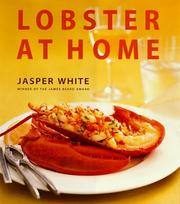
Jasper White is one of America's foremost seafood chefs; this book goes deep on shellfish cookery — lobster, shrimp, crab — and teaches the saucing, timing, and plating logic that elevates shellfish to a fine-dining level.
Mastery: Professional Thinking & Restaurant-Quality Results
ExpertThink like a professional chef — understanding how to compose a seafood dish from concept to plate, apply precision techniques, and develop an intuitive, creative command of fish and shellfish cookery.
▸ Study plan for this stage
Pace: 8–10 weeks, ~40–50 pages/day, with 2–3 days per week reserved for hands-on cooking and plating practice
- Precision technique and mise-en-place discipline: how professional kitchens organize, prep, and execute seafood dishes with consistency and speed
- The four pillars of flavor (salt, fat, acid, heat) and how they interact to balance and elevate seafood dishes
- Flavor composition and dish architecture: designing a complete plate that tells a story and builds complexity from raw ingredients
- Intuitive seasoning and tasting: developing a palate that knows when a dish is balanced without relying on recipes
- Seafood-specific techniques from Bernardin: precise cooking temperatures, sauce construction, and presentation standards that define fine dining
- The relationship between ingredient quality, technique, and restraint: knowing when to let the seafood speak and when to amplify it
- Creative menu thinking: how to conceptualize original seafood dishes by understanding foundational principles rather than copying recipes
- How does Eric Ripert's approach to seafood preparation at Bernardin differ from home cooking, and what specific techniques ensure consistency and excellence?
- Explain how the four pillars of salt, fat, acid, and heat work together to balance a seafood dish. Give a specific example from your own cooking.
- What is the relationship between mise-en-place discipline and creative freedom in professional seafood cookery?
- How would you redesign a classic seafood dish using Nosrat's framework to improve its flavor balance?
- Describe the process of tasting and adjusting a seafood sauce or dish to achieve professional-level seasoning without over-correcting.
- What does it mean to compose a seafood dish 'from concept to plate,' and how do the principles in these books guide that process?
- Cook 3–4 recipes directly from the Bernardin Cookbook, focusing on replicating the exact techniques, plating, and timing described; document your results with photos and notes on what worked and what challenged you
- Select one seafood dish you know well and deconstruct it using Nosrat's salt, fat, acid, heat framework; identify which pillar is strongest and which is weakest, then cook it twice—once as written and once with intentional adjustments to rebalance it
- Practice mise-en-place for a 3-course seafood meal: prep all components in advance, then execute the cooking and plating in real time, timing yourself to understand professional pace and flow
- Create an original seafood dish by starting with a single high-quality ingredient (e.g., diver scallops, wild halibut) and designing a complete plate around it using the principles from both books; write out your concept, technique choices, and flavor reasoning
- Conduct a blind tasting of 2–3 seafood dishes (your own or restaurant meals) and analyze each using Nosrat's four pillars; identify what makes each one work or fall short
- Replicate a Bernardin-style sauce (beurre blanc, velouté, or emulsion) at least twice, adjusting seasoning and texture to professional standards; practice the technique until it becomes automatic
Next up: This stage equips you with both the technical precision and conceptual framework needed to move into independent menu development, food writing, or specialized seafood cuisine (e.g., raw preparations, charcuterie, or regional traditions), where you will apply these foundational principles to more experimental or culturally specific contexts.

The definitive professional seafood text from the world's most celebrated fish restaurant. Reading Ripert's recipes and philosophy after building solid technique reveals how professionals think about texture, doneness, and restraint.
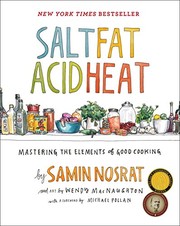
The perfect capstone for any cook — Nosrat's four-element framework teaches the underlying logic of why techniques work, giving the learner the mental model to improvise, troubleshoot, and create original seafood dishes with confidence.
Discussion
Keep reading
Paths that share books, cover the same subject, or open a related topic.