Best Books on Shade Gardening, in Reading Order
This curriculum takes a beginner from understanding the basic principles of shade — its types, causes, and challenges — through selecting and combining plants that genuinely thrive in low light, and finally into the nuanced art of designing layered woodland gardens and tackling the notoriously difficult problem of dry shade under trees. Each stage builds on the vocabulary, plant knowledge, and design instincts developed in the one before it.
Understanding Shade: Foundations
BeginnerUnderstand what shade actually is — its degrees (dappled, part, full, deep), its causes (buildings, canopy, walls), and the basic conditions it creates for soil and plants. Build the vocabulary needed for every book that follows.
▸ Study plan for this stage
Pace: 2–3 weeks, ~25–30 pages/day (approximately 150–180 pages total for "Gardening in the Shade")
- The five degrees of shade: full sun, dappled/filtered shade, part shade, full shade, and deep shade—and how to identify each in your garden
- Physical causes of shade: buildings, tree canopies, walls, fences, and topography, and how they affect shade patterns throughout the day and seasons
- How shade alters soil conditions: moisture retention, temperature, organic matter accumulation, and nutrient availability
- Light quality and intensity in shade: how wavelength, duration, and angle of light differ from full sun and affect plant physiology
- The relationship between shade type and plant selection: why certain plants thrive in specific shade conditions
- Microclimate variation: how shade intensity and conditions change across a single garden based on exposure and obstacles
- Seasonal shade dynamics: how shade patterns shift from spring through fall, affecting plant growth cycles
- What are the five main degrees of shade, and how would you distinguish between dappled shade and full shade in your own garden?
- Name three physical causes of shade and explain how each one creates different shade patterns or intensities over time.
- How does shade affect soil moisture, temperature, and organic matter compared to full-sun areas?
- What is the difference between light intensity and light quality, and why does this matter for shade gardening?
- How does shade change seasonally in a typical garden, and why is this important when planning shade plantings?
- Given a specific shade condition (e.g., deep shade under a mature oak tree), what soil and plant challenges would you expect to encounter?
- Map your garden's shade: Create a simple sketch showing shade patterns at three times of day (morning, midday, late afternoon) on a single day, then repeat on a day in a different season to observe seasonal variation.
- Identify shade types: Visit your garden (or a local park) and classify at least five different areas by shade degree (full sun, dappled, part, full, deep). Note the cause of each shade and describe the light quality you observe.
- Soil comparison: Dig small samples from a full-sun area and a shaded area in your garden (or a nearby location). Compare moisture, temperature, color, and texture; record your observations.
- Light duration test: Using a simple timer or phone, measure the number of direct sunlight hours hitting three different spots in your garden—one in full sun, one in part shade, one in full shade.
- Microclimate walk: Spend 30 minutes slowly walking through a shaded area, noting variations in light, moisture, temperature, and plant vigor. Sketch or photograph these microclimatic differences.
- Seasonal shade journal: Choose one shaded spot in your garden and photograph it from the same angle and time of day once a week for 4–6 weeks, noting changes in shade coverage and intensity.
Next up: This foundation in shade classification, causes, and conditions equips you with the vocabulary and observational skills needed to evaluate your specific garden and select appropriate plants—preparing you to move into the next stage, where you'll learn which plants thrive in each shade type and how to design and maintain shade gardens.
A classic introductory text that clearly defines the spectrum of shade conditions and explains how light levels affect plant choice — the perfect first read for a complete beginner.
Woodland Layers and Garden Design
IntermediateUnderstand the layered structure of a woodland ecosystem — canopy, understory, shrub layer, herbaceous layer, and groundcover — and learn how to replicate and design with those layers in a garden setting.
▸ Study plan for this stage
Pace: 4–5 weeks, ~25–30 pages/day. Read "Planting in a Post-Wild World" first (weeks 1–2), then "Garden Revolution" (weeks 3–5). Allow time for reflection and site observation between books.
- The five woodland layers (canopy, understory, shrub layer, herbaceous layer, groundcover) and their ecological functions in natural systems
- How native plant communities self-organize and maintain balance without human intervention
- Principles of ecological design: working with succession, disturbance, and plant guilds rather than against them
- Translating woodland structure into residential garden design through layered planting schemes
- The role of soil health, mycorrhizal networks, and plant-to-plant relationships in establishing resilient layered gardens
- Practical techniques for removing turf, managing invasives, and establishing new layers in existing landscapes
- How to observe and analyze existing site conditions to inform layer-based design decisions
- What are the five layers of a woodland ecosystem, and what role does each layer play in the overall health and function of the system?
- How do the design principles in 'Planting in a Post-Wild World' and 'Garden Revolution' differ in their approach to replicating woodland layers, and when would you use each approach?
- How can you assess your existing garden site to determine which woodland layers are present or missing, and what that tells you about your design priorities?
- What is a plant guild, and how do plant guilds help establish and maintain layered gardens over time?
- What are the key steps for transitioning a lawn-dominated or monoculture landscape into a multi-layered woodland garden?
- How do soil organisms and mycorrhizal networks support the establishment of layered planting schemes?
- Visit a local woodland or mature forest and sketch the five layers you observe. Note plant species, spacing, density, and light conditions at each layer. Compare your observations to the woodland structure described in both books.
- Analyze your own garden site: map existing canopy trees, identify the current herbaceous and groundcover layers, and document gaps where layers are missing. Photograph from multiple angles and at different times of day to understand light patterns.
- Create a layered planting plan for a 200–400 sq. ft. section of your garden using native species appropriate to your region. Include at least three layers (e.g., understory tree, shrub layer, herbaceous layer) and specify spacing, mature sizes, and ecological relationships between plants.
- Conduct a soil health assessment: observe soil structure, look for mycorrhizal indicators (fungal networks, healthy root systems), and research the native soil community in your region. Document how this informs your plant selection.
- Design a plant guild for a specific ecological function (e.g., nitrogen fixation, pollinator support, moisture retention). List 5–8 plants that work together, explain their relationships, and sketch how you would arrange them in a layered garden.
- Remove a small section of lawn (50–100 sq. ft.) and document the process: soil conditions, seed bank, invasive species present, and time/labor required. Use this as a case study for planning larger restoration work.
Next up: This stage establishes the ecological and design foundation for layered woodland gardens; the next stage will likely focus on specific plant selection, regional adaptation, and long-term management strategies to sustain these layers over time.

Introduces the ecological concept of plant communities and layered structure in an accessible, design-forward way — essential groundwork for thinking about woodland gardens as systems rather than collections of plants.

Deepens the ecological design approach with real-world examples of naturalistic, layered plantings, showing how woodland layers can be made to self-sustain — a key concept for intermediate learners.
The Hardest Problem: Dry Shade Under Trees
ExpertMaster the most challenging shade gardening scenario — the dry, root-filled, nutrient-poor soil beneath established trees — by understanding the soil science, the limited but beautiful plant palette, and the design strategies that make it work.
▸ Study plan for this stage
Pace: 4–5 weeks, ~25–30 pages/day. Start with Graham Rice's practical framework (1.5–2 weeks), then deepen with Beth Chatto's philosophy and detailed case studies (2–3 weeks). Allow time for site observation between books.
- Soil science under trees: root competition, nutrient depletion, water infiltration barriers, and pH changes caused by leaf litter decomposition
- The paradox of dry shade: why it's simultaneously water-scarce and poorly draining, and how to diagnose your specific microclimate
- Plant selection for dry shade: the limited but beautiful palette of shade-tolerant, drought-resistant species that actually thrive in poor soil
- Soil amendment and preparation: when and how to improve dry shade soil without fighting the tree's dominance
- Design principles for dry shade gardens: layering, texture, seasonal interest, and using foliage color to compensate for limited flowers
- Establishment and aftercare: critical first-season watering, mulching strategies, and long-term plant management in competitive root zones
- Learning from Beth Chatto's philosophy: working with nature rather than against it, accepting ecological limits, and finding beauty in constraint
- Why is dry shade under trees fundamentally different from other shade conditions, and what soil and environmental factors create this challenge?
- What are the main plant families and genera that reliably perform in dry shade, and what specific characteristics make them suited to this niche?
- How do you assess whether a dry shade site is salvageable, and what are the realistic limits of soil amendment in a tree-root zone?
- What design strategies (layering, color, texture, seasonal rhythm) allow you to create visual interest and beauty in a dry shade garden with a limited plant palette?
- How does Beth Chatto's ecological approach to dry shade gardening differ from conventional horticultural solutions, and why does it work?
- What are the critical first-year establishment practices for dry shade plants, and how do they differ from standard planting protocols?
- Conduct a detailed soil and site assessment of a dry shade area: measure soil moisture at different depths and times of day, test pH, observe root density, note tree species and canopy density, and document existing plant performance.
- Create a plant palette spreadsheet for your specific dry shade site, listing 8–12 species from Rice and Chatto's recommendations with their water needs, mature size, foliage color, bloom time, and soil preferences.
- Design a planting plan for a 100–200 sq. ft. dry shade bed using layering principles (canopy, understory, groundcover) and focusing on foliage texture and seasonal color rather than flowers.
- Prepare a small test bed (20–30 sq. ft.) with amended soil following Rice's guidance; plant 3–5 species recommended for dry shade and document establishment, watering needs, and first-season performance.
- Visit or research a mature dry shade garden (ideally one inspired by Chatto's work or principles) and analyze its design choices, plant combinations, and how it handles seasonal changes.
- Create a mulching and aftercare protocol for your dry shade plantings, including watering schedule for year one, mulch type and depth, and a maintenance calendar for pruning and deadheading.
Next up: This stage equips you to handle the most extreme shade gardening scenario; the next stage will likely explore either specialized techniques (such as creating microclimates or working with specific tree types) or expanding into adjacent challenges like slope stabilization or urban shade gardening, where you'll apply these dry shade principles to new contexts.

The single most focused and authoritative book on dry shade; Rice methodically covers soil improvement, plant selection, and design strategies for under-tree conditions — exactly the problem this stage addresses.
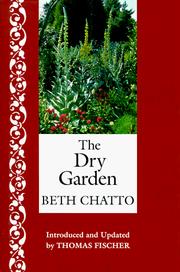
Chatto's legendary account of gardening on drought-prone, shaded ground at her Essex garden is both inspirational and deeply practical, showing how plant observation and soil understanding solve problems that no catalog can.
Discussion
Keep reading
Paths that share books, cover the same subject, or open a related topic.