Vertical Gardening: The Best Books to Grow More in Small Spaces
This curriculum takes a beginner from the core principles of small-space and vertical gardening all the way through advanced living-wall design, container mastery, and productive food growing on patios and balconies. Each stage builds on the last — starting with mindset and fundamentals, moving into specific vertical structures and plant selection, and finally reaching expert-level design and year-round productivity.
Foundations: Small-Space Gardening Mindset
BeginnerUnderstand the core principles of gardening in limited spaces — containers, light, soil, watering — and build the vocabulary needed for vertical techniques.

A perfect entry point written specifically for balcony and patio growers; it covers containers, microclimates, and edible plants in a highly accessible way before any vertical complexity is introduced.

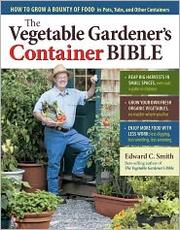
Builds foundational knowledge of growing food in containers and small beds, including staking and support structures — key intuition before tackling full vertical systems.
Container Mastery & Intensive Planting
IntermediateMaster container selection, soil mixes, feeding, and intensive planting strategies to maximize yield and beauty in every square foot of a patio or balcony.
▸ Study plan for this stage
Pace: 4–5 weeks, ~25–30 pages/day, with 2–3 days per week dedicated to hands-on container setup and soil testing
- Container selection criteria: size, material, drainage, and weight considerations for different plant types and growing conditions
- Soil mix composition: understanding drainage, water retention, nutrient density, and how to customize mixes for specific plants (vegetables, herbs, ornamentals)
- Feeding strategies: organic and synthetic fertilizers, application rates, frequency, and nutrient cycling in contained systems
- Intensive planting techniques: spacing, succession planting, vertical layering, and companion planting within containers
- Microclimates on patios and balconies: light exposure, wind, heat reflection, and how to position containers for optimal growth
- Water management in containers: frequency, methods, and how soil composition affects irrigation needs
- Natural and sustainable approaches to container gardening: composting, mulching, and pest management in small spaces
- What are the key differences between container materials (terracotta, plastic, fabric, wood) and how do they affect plant health and maintenance?
- How do you formulate a custom soil mix for a specific plant or group of plants, and what role does each component (peat/coco coir, compost, perlite, vermiculite) play?
- What is the difference between feeding schedules for heavy feeders versus light feeders in containers, and how do you adjust for organic versus synthetic fertilizers?
- How can you maximize yield and visual appeal in a small patio or balcony space using intensive planting and vertical layering?
- What microclimate factors on your patio or balcony affect container placement and plant selection, and how do you assess them?
- How does water retention in different soil mixes influence your watering schedule and plant health?
- Create a soil mix recipe: formulate three different custom soil mixes (one for vegetables, one for herbs, one for ornamentals) and document the ratios of each component
- Container audit: photograph and inventory all available containers on your patio or balcony, noting size, material, drainage, and current condition; plan which plants suit which containers
- Set up a test bed: plant the same herb or vegetable in three different containers (different materials or sizes) and track growth, water needs, and yield over 4 weeks
- Design an intensive planting scheme: sketch a detailed plan for one large container or a cluster of containers showing plant placement, heights, spacing, and succession planting timeline
- Soil moisture experiment: fill containers with different soil mixes and test water retention by watering each identically, then measuring moisture levels daily for two weeks
- Microclimate mapping: spend one week observing and documenting light, wind, and temperature patterns across your patio or balcony at different times of day, then create a placement guide for containers
- Fertilizer trial: apply different feeding schedules (organic vs. synthetic, weekly vs. bi-weekly) to identical plants in identical containers and compare growth and leaf color over 6 weeks
Next up: This stage equips you with the technical foundation—the right containers, soil, nutrients, and spacing—needed to move into the next stage, where you'll apply these fundamentals to specific plant families and seasonal strategies for year-round production and display.
A classic, comprehensive reference on container gardening covering plant combinations, seasonal care, and design — essential reading before tackling living walls.

Kingsbury's design-led approach teaches how to layer plants vertically and horizontally for maximum impact, bridging container basics and living-wall thinking.
Living Walls & Advanced Vertical Design
IntermediateUnderstand how to plan, build, plant, and maintain living walls and green facades, integrating irrigation, plant ecology, and aesthetic design.
▸ Study plan for this stage
Pace: 4–5 weeks, ~25–30 pages/day, with 2–3 days per week dedicated to hands-on design work and site visits
- Living wall systems and structural design principles (modular panels, felt pockets, trellises, green facades)
- Plant selection and ecology for vertical growing (microclimate adaptation, root depth requirements, water retention)
- Irrigation and water management for vertical installations (drip systems, capillary action, drainage)
- Aesthetic composition and spatial integration of living walls within architectural and landscape contexts
- Maintenance protocols and long-term plant health in vertical environments (pruning, fertilization, pest management)
- Integration of living walls with building performance (insulation, air quality, thermal regulation)
- Site assessment and feasibility analysis for living wall projects (light, exposure, structural load, budget)
- What are the main structural systems for living walls described in Lambertini's work, and how do they differ in terms of plant support, irrigation access, and maintenance requirements?
- How do you select appropriate plants for a living wall based on light exposure, moisture availability, and the specific vertical growing system being used?
- What are the critical components of an irrigation system for a living wall, and how does water distribution differ from traditional horizontal gardening?
- How do you conduct a site assessment before installing a living wall, and what factors determine feasibility and long-term success?
- What aesthetic principles should guide the composition and plant arrangement of a living wall to create visual impact and spatial harmony?
- How do living walls contribute to building performance and environmental benefits, and what maintenance practices ensure sustained plant health?
- Conduct a detailed site assessment of a real or hypothetical location (indoors or outdoors), documenting light levels, structural capacity, water access, and microclimate conditions; produce a feasibility report
- Design a living wall layout on paper or digitally, selecting a specific system type (modular, felt pocket, trellis-based), choosing 5–8 plant species suited to the site conditions, and creating a planting diagram with spacing and maintenance zones
- Build or sketch a cross-section diagram of a living wall system showing substrate layers, irrigation lines, drainage, and plant root zones; label all components and explain water flow
- Visit 2–3 existing living walls or green facades in your area (botanical gardens, buildings, public spaces); photograph and document their plant composition, visible maintenance issues, and design successes
- Create a 12-month maintenance calendar for a hypothetical living wall, detailing watering schedules, pruning cycles, fertilization, pest monitoring, and seasonal adjustments based on climate
- Design and prototype a small-scale living wall (12–24 inches) using one of Lambertini's recommended systems; plant it, set up irrigation, and monitor it for 4 weeks, documenting plant performance and water needs
Next up: This stage equips you with the technical and design expertise to execute living wall projects at scale; the next stage will likely focus on sustainable systems integration, ecosystem services, and advanced applications (such as food production or biophilic design in commercial spaces).
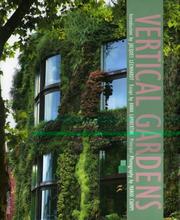
A visually rich, design-focused survey of living walls worldwide; reading it here gives the learner inspiring real-world examples and design principles after mastering the basics.
Year-Round Productivity & Expert Integration
ExpertCombine all techniques into a cohesive, productive vertical garden that yields food and beauty across all seasons, with expert-level plant knowledge and system design.

Teaches season-extension strategies — cold frames, succession planting, and protected growing — that apply directly to vertical and container setups for maximum year-round output.

An advanced design framework for layering plants ecologically; applying these principles to a vertical garden elevates it from a collection of plants to a self-sustaining, beautiful system.
Discussion
Keep reading
Paths that share books, cover the same subject, or open a related topic.