Native and pollinator plants: the best books to build a habitat garden
This curriculum takes a beginner from foundational ecological awareness all the way to confident habitat garden design and plant selection. Each stage builds on the last: you first develop an eye for native plants and their ecological roles, then learn to design with them intentionally, and finally dive into the specialist knowledge needed to support specific pollinators and regional ecosystems at a deep level.
Foundations: Seeing the Living Landscape
BeginnerUnderstand why native plants matter, how they connect to local wildlife, and develop the ecological mindset that underpins all habitat gardening.
▸ Study plan for this stage
Pace: 4–5 weeks, ~20–25 pages/day, with 2–3 days per week reserved for reflection and local observation
- Native plants are the ecological foundation of regional food webs and wildlife habitat
- Plant-animal relationships evolved over millennia and are place-specific to your local bioregion
- Conventional landscaping disrupts these relationships; ecological design restores them
- Seeing the landscape as a living system of interconnected organisms rather than isolated plants
- The role of soil, pollinators, and seasonal cycles in sustaining healthy plant communities
- Designing with ecological function first, aesthetics second, creates resilient gardens
- Why do native plants support local wildlife better than non-native ornamentals?
- How do plant-animal coevolutionary relationships shape what species belong in your specific region?
- What is the difference between a conventional landscape and an ecologically designed one in terms of function?
- How does understanding the living landscape change the way you approach garden design?
- What role do native plants play in supporting pollinators and other beneficial insects?
- How can you identify which plants are truly native to your bioregion and why that specificity matters?
- Walk through your neighborhood or a local natural area weekly and identify 5–10 native plants using field guides or apps; note what insects or animals you observe on them
- Map your own yard or a local site, identifying current plants and wildlife; assess which are native and which are non-native
- Read and annotate one chapter of *The Living Landscape* per week, highlighting passages that shift your understanding of how ecosystems work
- Create a simple food web diagram for your local bioregion, showing how native plants connect to pollinators, herbivores, and predators
- Visit a native plant nursery or botanical garden and interview staff about which plants are native to your region and why they matter
- Photograph or sketch 3–5 native plants in their natural habitat (or in a restored garden) and write a one-paragraph observation about what animals depend on them
Next up: This stage builds the ecological literacy and mindset necessary to move into practical plant selection and design—you'll now understand *why* you're choosing specific plants, not just *what* to choose.

Builds directly on Tallamy's ecological argument by showing how to see your yard as a functioning habitat, introducing the visual and ecological vocabulary of layered planting design.
Getting to Know Native Plants
BeginnerBuild a working plant palette — learn to identify key native plants, understand their growth habits, and begin matching plants to place.
▸ Study plan for this stage
Pace: 4–5 weeks, ~25–30 pages/day. Read Leopold first (2–3 weeks), then Wasowski (2 weeks). Allocate 2–3 days per week for field observation and plant identification practice.
- Regional plant communities and native plant definitions for the Northeast and South
- Plant morphology basics: leaf shapes, flower structures, growth forms, and how to identify plants in the field
- Growth habits and ecological roles: understanding whether plants are trees, shrubs, perennials, or groundcovers and their native habitats
- Seasonal interest and phenology: bloom times, fruiting periods, fall color, and winter structure for year-round garden planning
- Site matching fundamentals: assessing light, moisture, and soil conditions to select appropriate native plants
- Plant communities and companion planting: recognizing which plants naturally grow together in native ecosystems
- Practical plant palette building: creating a personal reference system of 20–30 key native plants you can identify and describe
- What defines a native plant in the Northeast versus the South, and why does regional origin matter for your garden?
- How do you identify 15–20 key native plants by sight, and what are their distinguishing features (leaf shape, flower color, growth form)?
- What are the growth habits and mature sizes of the plants you've studied, and which are trees, shrubs, perennials, or groundcovers?
- How do you match native plants to specific site conditions—sun exposure, moisture levels, and soil type—based on their natural habitats?
- What seasonal interest does each plant provide (spring bloom, summer foliage, fall color, winter structure), and how do you layer them for year-round appeal?
- Which native plants naturally grow together in plant communities, and how can you use this knowledge to design cohesive plantings?
- Create a visual plant identification guide: photograph or sketch 20–25 native plants from Leopold and Wasowski, labeling leaf shape, flower structure, growth form, and bloom time.
- Build a personal plant palette spreadsheet: list 20–30 plants with columns for hardiness zone, light requirements, moisture preference, mature size, bloom time, and seasonal interest.
- Conduct a site assessment of your own yard or a local garden: document sun exposure, soil type, moisture levels, and existing vegetation, then match 5–8 plants from your palette to those conditions.
- Take a field walk in a local native plant garden, nature preserve, or botanical garden: identify at least 10 plants you've studied, note their growing conditions, and observe how they're grouped.
- Create seasonal planting combinations: design 3–4 mixed plantings (each with 5–8 plants) that provide bloom, foliage, and structure across spring, summer, fall, and winter.
- Write plant profiles for your 10 favorite native plants: include identification tips, habitat preferences, growth habits, seasonal interest, and companion plants based on Leopold and Wasowski.
Next up: With a solid working palette of identified native plants and an understanding of how to match them to site conditions, you're ready to move into the next stage—designing and installing native plant gardens—where you'll learn to compose these plants into functional, beautiful landscapes.
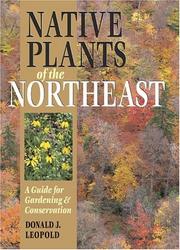
A clear, well-organized reference that introduces readers to real native plant species with ecological context, building the plant literacy needed for design decisions.
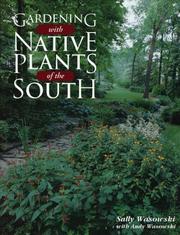
For learners in southern regions, this book offers an equally rigorous regional plant palette — read alongside or instead of Leopold depending on your geography.
Designing for Pollinators
IntermediateLearn to design gardens and plant communities that actively support bees, butterflies, and other pollinators through intentional plant selection and garden structure.
▸ Study plan for this stage
Pace: 8–10 weeks, ~25–30 pages/day. Start with Rainer & Thomas (3–4 weeks), move to Greenlee (2–3 weeks), finish with Hoffman Black (2–3 weeks). This allows time for reflection between books and hands-on garden planning.
- Ecological design principles: using native plants as the foundation for resilient, self-sustaining garden systems that mimic natural plant communities
- Plant layering and structure: combining canopy, understory, and groundcover plants to create habitat depth and extend pollinator resources across seasons
- Meadow ecology and composition: understanding seed sourcing, soil preparation, and species selection to establish functional meadow gardens that support diverse pollinators
- Seasonal continuity: designing bloom sequences and plant phenology to provide nectar, pollen, and shelter for pollinators from spring through fall
- Native plant selection and regional adaptation: matching plants to local climate, soil, and existing pollinator communities rather than relying on ornamental exotics
- Butterfly-specific requirements: host plants for caterpillars, nectar sources, and microhabitat features (puddling areas, shelter) that support complete butterfly lifecycles
- Garden structure and management: balancing aesthetic design with ecological function, including decisions about mulch, deadheading, and seasonal cleanup
- What are the core principles of ecological design as presented by Rainer & Thomas, and how do they differ from conventional ornamental gardening?
- How does plant layering (canopy, understory, groundcover) support pollinator populations, and what are examples of each layer in a native plant community?
- What steps are necessary to establish a meadow garden, from soil preparation through species selection, and why does seed sourcing matter?
- How do you design a garden to provide continuous bloom and resources for pollinators across the entire growing season?
- What is the difference between host plants and nectar plants for butterflies, and why are both essential in a pollinator garden?
- How do regional native plants support local pollinator populations better than non-native ornamentals, and how do you select appropriate species for your area?
- Audit your own garden or a local space: map existing plants, identify gaps in seasonal bloom, and note which native species are present or absent. Document findings with photos.
- Create a plant layering diagram for a 100–200 sq ft garden space: select 3–5 canopy/shrub species, 4–6 mid-layer perennials, and 3–4 groundcover species from native plants in your region.
- Design a pollinator bloom calendar: list native plants from your region by bloom month (March–October or your growing season) to ensure continuous nectar and pollen availability.
- Conduct a meadow feasibility study: assess a potential meadow site for soil type, drainage, sun exposure, and existing vegetation. Sketch a plan for soil prep and species composition based on Greenlee's methods.
- Research and compile a host plant list: identify 5–8 native plants that serve as caterpillar host plants for butterflies in your region, then design a garden bed around them with supporting nectar plants.
- Visit a local native plant nursery or seed supplier and photograph or collect information on 10–15 species suited to your region. Note bloom time, height, pollinator value, and growing requirements.
Next up: This stage equips you with the design framework and plant knowledge to create pollinator-supporting gardens; the next stage will deepen your understanding of specific pollinator biology, conservation challenges, and advanced techniques for monitoring and enhancing pollinator populations in your landscape.

Introduces the concept of designed plant communities that mimic natural systems — a crucial conceptual leap from 'planting natives' to 'designing habitat'.

Focuses on grasses and meadow-style planting, which are among the most pollinator-rich garden styles; builds practical design skills on top of the ecological foundation.
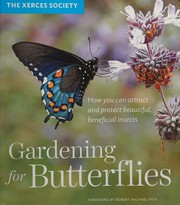
Published by the Xerces Society, this is the definitive practical guide to selecting plants and designing spaces specifically for butterfly life cycles, from host plants to nectar sources.
Supporting Bees, Birds & the Broader Ecosystem
IntermediateDeepen understanding of specific pollinator groups — especially native bees and birds — and learn how garden choices ripple through the local food web.
▸ Study plan for this stage
Pace: 4–5 weeks, ~25–30 pages/day with 2–3 days per week for field observation and garden assessment
- Native bee biology and behavior: solitary vs. social species, nesting requirements, and seasonal activity patterns
- Floral resource timing and diversity: how to provide continuous bloom from early spring through late fall for different pollinator groups
- Nesting habitat design: creating bare ground, dead wood, and hollow stems for ground-nesting, wood-nesting, and cavity-nesting bees
- Bird pollination and seed dispersal: understanding which native plants attract birds and support breeding and migration
- Pesticide impacts on pollinators: why eliminating synthetic chemicals is essential for native bee and bird populations
- Garden design principles: layering plants by height, bloom time, and native origin to maximize ecosystem function
- Local food web connections: how native plants support insects that feed birds, and how this cascades through the ecosystem
- What are the key differences between solitary and social native bees, and why does this matter for garden design?
- How do you create a continuous nectar and pollen supply across the entire growing season for native pollinators?
- What specific nesting structures and habitat features do different native bee species require, and how can you provide them in a garden?
- How do native plants support bird populations beyond just providing food, and what role do birds play in the broader ecosystem?
- Why are pesticides harmful to native bees and birds, and what are the practical alternatives for garden management?
- How do you select and arrange native plants to create a layered, diverse garden that supports multiple pollinator groups simultaneously?
- Audit your local native bee species: research which solitary and social bee species are native to your region, document their bloom preferences and nesting habits, and identify gaps in your current garden
- Create a bloom calendar: map out which native plants in the book flower in each month, then design a planting plan that ensures nectar and pollen availability from early spring through late fall
- Build or install nesting structures: construct bee houses with hollow stems and drilled wood blocks, create bare ground patches, and leave dead wood piles; monitor which species use them over 4–6 weeks
- Conduct a pollinator observation walk: spend 30 minutes weekly in your garden or a local native plant area, documenting which pollinators visit which plants, times of day, and weather conditions
- Eliminate pesticides and document the change: remove all synthetic pesticides from your garden, document baseline insect and bird activity, then track changes over 3–4 weeks
- Design a pollinator-friendly garden layout: sketch a garden bed or yard plan using native plants from the book, arranged by height, bloom time, and pollinator preference, then implement at least one section
Next up: This stage equips you with deep knowledge of specific pollinator groups and their ecological roles, preparing you to design integrated native plant communities that support entire food webs—the foundation for the next stage's focus on scaling these principles across larger landscapes and addressing regional conservation priorities.
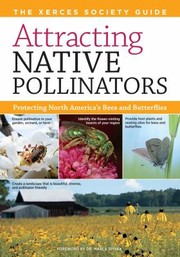
Another authoritative Xerces Society guide, this one focuses on the full range of native bees and other pollinators, with concrete habitat and plant recommendations.
Discussion
Keep reading
Paths that share books, cover the same subject, or open a related topic.