Nordic Cooking: The Best Books on Scandinavian Food and Hygge
This curriculum takes an intermediate home cook on a deep journey through the Nordic kitchen — from foundational philosophy and pantry-building, through mastery of iconic techniques like curing, fermenting, and rye baking, to the refined world of New Nordic cuisine. Each stage builds on the last: you first absorb the culture and core recipes, then sharpen specific craft skills, and finally explore the creative frontier that has made Scandinavian cooking globally celebrated.
The Nordic Table: Culture, Pantry & Core Recipes
IntermediateBuild a confident understanding of Nordic food culture, key ingredients, and the most beloved everyday recipes — smørrebrød, pickled fish, simple rye breads, and hygge-style comfort food.
▸ Study plan for this stage
Pace: 4–5 weeks, ~40–50 pages/day, with 2–3 cooking sessions per week
- The philosophy of New Nordic Cuisine: seasonality, simplicity, and terroir as foundational principles
- Core Nordic pantry staples: rye, barley, root vegetables, preserved fish, dairy, and fermented ingredients
- Regional variations across Scandinavia: how geography shapes Danish, Swedish, and Norwegian food traditions
- Smørrebrød as cultural practice: open-faced sandwich construction, ingredient pairing, and social significance
- Preservation techniques: pickling, curing, fermenting, and smoking as both practical and flavor-building methods
- Hygge and comfort food culture: the role of simple, warming dishes in Nordic social life
- Bread as foundation: rye, sourdough, and whole-grain traditions in everyday Nordic eating
- Ingredient quality and sourcing: understanding why Nordic cooks prioritize local, seasonal, and foraged elements
- What are the core principles of New Nordic Cuisine, and how do they differ from other European food philosophies?
- Name five essential Nordic pantry ingredients and explain why each is fundamental to the cuisine
- How do Danish, Swedish, and Norwegian food traditions differ, and what geographic or historical factors explain these differences?
- What makes smørrebrød more than just a sandwich, and what are the key rules for constructing one?
- Describe three preservation techniques used in Nordic cooking and explain when and why each is employed
- How does the concept of hygge influence everyday Nordic meals and entertaining practices?
- Make 3–4 different smørrebrød combinations using recipes from both books; photograph and journal the flavor pairings and construction techniques
- Prepare a Nordic pantry audit: source and taste 8–10 core ingredients (rye flour, pickled herring, dark rye bread, etc.) and write tasting notes on each
- Cure or pickle one fish (herring or mackerel) and one vegetable (beets or cucumber) from scratch, documenting the process and tasting results weekly
- Bake two types of Nordic bread (rye and sourdough) using recipes from the books; compare texture, flavor, and keeping qualities
- Host a smørrebrød-focused meal for 2–4 people, preparing 5–6 varieties and explaining the cultural and ingredient logic behind each
- Create a seasonal Nordic meal plan for one week using only ingredients available in your region; cook 3–4 of the planned meals and reflect on adaptations
Next up: Mastering the foundational ingredients, techniques, and everyday recipes of the Nordic table prepares you to explore advanced topics—regional specialties, festive traditions, and the intersection of Nordic cooking with modern fine dining—in the next stage.

The single most comprehensive reference on Scandinavian and Nordic cooking, covering all five countries with deep cultural context. Starting here gives you the full map of the cuisine before diving into specialties.
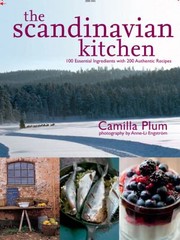
A deeply personal and ingredient-led guide that teaches you how Scandinavians think about seasonal produce, foraged foods, and the smorgasbord tradition, reinforcing the pantry instincts you need for later stages.
Mastering the Craft: Cured Fish, Rye Bread & Fermentation
IntermediateDevelop hands-on technical mastery of the defining Nordic preservation arts — gravlax, pickled herring, sourdough rye bread, and fermented vegetables — that underpin the entire cuisine.
▸ Study plan for this stage
Pace: 8–10 weeks, ~40–50 pages/day with 2–3 hands-on baking/curing sessions per week. Start with "Scandinavian Baking" (weeks 1–3), move to "The Rye Baker" (weeks 4–6), then "Cured" (weeks 7–8), with weeks 9–10 dedicated to integrated practice and recipe refinement.
- Sourdough rye bread fermentation: building and maintaining a rye starter, understanding hydration ratios, and managing long, slow fermentation for flavor and digestibility
- Curing fundamentals: salt concentration, timing, and temperature control for gravlax, pickled herring, and other preserved fish
- Fermentation science: how wild yeast, bacteria, and time transform simple ingredients into complex, shelf-stable foods
- Nordic baking techniques: lamination, scoring, crumb structure, and the role of whole grains in traditional Scandinavian breads
- Flavor development through preservation: how curing, pickling, and fermentation create the distinctive sour, salty, umami notes central to Nordic cuisine
- Equipment and environment: proper tools (banneton baskets, curing vessels, thermometers) and conditions (temperature, humidity, airflow) for consistent results
- Recipe adaptation and troubleshooting: adjusting recipes for local ingredients, climate, and equipment variations
- What are the key differences between a rye sourdough starter and a wheat starter, and how do you maintain one according to Hahnemann and Ginsberg?
- Explain the curing process for gravlax: what role does salt play, how long should it cure, and what temperature conditions are optimal?
- How does long fermentation in rye bread affect both flavor and digestibility, and what signs indicate proper fermentation?
- What is the relationship between hydration, fermentation time, and crumb structure in Nordic rye breads?
- Describe the pickling and curing methods for herring outlined in 'Cured,' including brine composition and timing.
- How do you troubleshoot common issues in sourdough rye baking (dense crumb, over-fermentation, weak rise) using principles from both Hahnemann and Ginsberg?
- Build and maintain a rye sourdough starter for 3–4 weeks, feeding it on a consistent schedule and documenting its activity, smell, and rise patterns.
- Bake at least 3 complete loaves of Nordic rye bread from 'Scandinavian Baking,' adjusting hydration or fermentation time between batches and analyzing the results.
- Follow 'The Rye Baker's' detailed instructions to bake a traditional Danish or Swedish rye bread, paying close attention to lamination technique and scoring.
- Cure a batch of gravlax from 'Cured,' documenting daily changes in texture and flavor, then taste and compare to store-bought versions.
- Pickle herring using at least two different brine recipes from 'Cured,' comparing flavor profiles and shelf stability over 2–3 weeks.
- Ferment a batch of vegetables (cabbage, beets, or cucumbers) using Nordic methods, monitoring fermentation progress and tasting at different stages.
Next up: This stage establishes the technical foundation and deep understanding of preservation that allows you to move into the next stage—whether that's regional Nordic cuisine, modern interpretations of traditional dishes, or the cultural and historical context of Scandinavian food—with confidence in your ability to execute the core techniques that define the cuisine.

The definitive English-language guide to Nordic baking, covering dense rye loaves, crispbreads, and cardamom-scented pastries. Reading Hahnemann's comfort food book first means you already know the context for these recipes.

A technically rigorous deep-dive into sourdough rye breads across Scandinavia and Northern Europe, with precise formulas and the science behind long fermentation — the perfect follow-up to Hahnemann's introduction to Nordic baking.

Covers the full spectrum of curing, smoking, and pickling techniques — gravlax, salt cod, pickled herring — with clear method explanations that translate directly to the Nordic pantry built in Stage 1.
New Nordic: Foraging, Seasons & the Creative Frontier
ExpertUnderstand the New Nordic movement — its philosophy of locality, seasonality, and foraging — and apply its creative lens to elevate your cooking beyond tradition.
▸ Study plan for this stage
Pace: 4–5 weeks, ~40–50 pages/day (approximately 280–350 pages total across both books)
- The New Nordic philosophy: locality, seasonality, and terroir as core creative principles rather than constraints
- Foraging as both a practical skill and a philosophical stance toward ingredient sourcing and environmental stewardship
- Redzepi's iterative creative process: how experimentation with local, seasonal ingredients drives menu innovation at Noma
- Seasonal eating cycles and how to design menus that celebrate peak ingredient availability throughout the year
- Plant identification, ethical harvesting, and sustainable foraging practices as detailed in Thayer's field guide approach
- The relationship between Nordic landscape, climate, and culinary identity—how geography shapes flavor and technique
- Translating foraging knowledge into restaurant-level execution: scaling foraged ingredients and wild foods for consistent, refined dishes
- What is the core philosophy of the New Nordic movement, and how does Redzepi's approach at Noma exemplify it?
- How does Thayer's foraging methodology differ from casual wild-food gathering, and what principles ensure both sustainability and safety?
- Describe Redzepi's creative process: how does he use seasonal and local ingredients as a springboard for innovation rather than a limitation?
- What are the key edible plants, fungi, and wild ingredients available in Nordic regions, and how does Thayer help you identify them?
- How can you design a seasonal menu that reflects New Nordic principles—and what role does foraging play in that design?
- What ethical and ecological considerations must guide foraging practice, according to both authors?
- Read 'Noma' and create a detailed timeline of Redzepi's menu evolution across 2–3 seasons, noting how he introduced foraged ingredients and how they shaped each season's identity
- Using Thayer's identification guides, conduct a field walk in your local region and safely identify and document 5–8 wild edible plants or fungi; photograph and journal your findings with location, season, and ethical harvesting notes
- Design a 4-week seasonal menu for a hypothetical restaurant using New Nordic principles: source 60–70% of ingredients locally/foraged, explain your seasonal logic, and sketch 3–4 dishes with foraged components
- Prepare 2–3 dishes that incorporate foraged ingredients (wild greens, mushrooms, berries, etc.) and document the process—from identification through plating—reflecting on how the ingredient shaped your technique
- Create a foraging resource guide for your region: map local suppliers, seasonal availability calendars, and safe wild-food sources; cross-reference Thayer's guidance to ensure accuracy
- Write a comparative analysis (1,500–2,000 words) on how Redzepi's restaurant philosophy and Thayer's field-guide approach both challenge conventional ingredient sourcing and what that means for your own cooking practice
Next up: This stage establishes the intellectual and practical foundation of New Nordic cooking—its philosophy and foraging toolkit—preparing you to explore how these principles scale into specific Nordic regional cuisines and historical traditions in the next stage.

The landmark book that defined the New Nordic movement, showcasing how radical locality and foraging transformed Scandinavian cooking globally. Best read after mastering traditional techniques so you can appreciate what is being reimagined.
The most trusted English-language guide to wild foraging, which is central to New Nordic philosophy — reading this alongside Redzepi gives you the practical skills to source the ingredients that define this cuisine.
Discussion
Keep reading
Paths that share books, cover the same subject, or open a related topic.