Vegan Baking: The Best Books for Egg- and Dairy-Free Desserts
This curriculum takes a beginner vegan baker from foundational plant-based substitution logic all the way to advanced pastry and bread techniques, with each stage building directly on the skills and vocabulary of the last. You'll start by understanding *why* vegan baking works before moving into everyday recipes, then specialty baking, and finally professional-level mastery — so every book you read makes the next one easier and more rewarding.
Foundations: Understanding Vegan Baking
BeginnerUnderstand the science of egg and dairy replacement, build core vocabulary (aquafaba, flax egg, non-dairy milks, vegan butter), and gain confidence with basic cakes, cookies, and muffins.
▸ Study plan for this stage
Pace: 4–5 weeks, ~25–30 pages/day, with 2–3 baking sessions per week
- Egg replacements: flax eggs, aquafaba, applesauce, and their functional roles (binding, leavening, moisture) in different baked goods
- Dairy substitutes: non-dairy milks (almond, oat, soy, coconut), vegan butter, and how to choose them based on fat content and flavor profile
- The chemistry of leavening: how baking soda and baking powder work in vegan baking without eggs, and the role of acidic ingredients
- Structural differences in vegan baking: how to adjust moisture, fat, and binding to achieve proper crumb, rise, and texture
- Core vocabulary and ingredient pantry: aquafaba, flax meal, non-dairy milks, vegan butter, cornstarch, and their properties
- Foundational recipes from Patrick-Goudreau: basic cake, cookie, and muffin formulas and their variations
- Troubleshooting common vegan baking failures: dense cakes, dry cookies, and how ingredient ratios prevent them
- What are three egg replacements used in vegan baking, and when would you use each one based on the recipe's needs?
- How do non-dairy milks differ in fat content and flavor, and how does this affect your choice for a specific baked good?
- Explain the role of baking soda and baking powder in vegan baking—what triggers leavening without eggs?
- What is aquafaba, where does it come from, and what makes it an effective egg replacer in certain applications?
- Describe the structural challenges of vegan baking and how adjusting fat, moisture, and binding agents solves them
- Walk through a basic vegan cake or cookie recipe from the book and identify the egg and dairy replacements and why they were chosen
- Bake a simple vegan cake (e.g., vanilla or chocolate) using a flax egg; document the rise, crumb, and texture, then compare to the book's notes on expected results
- Make three batches of the same cookie recipe using three different egg replacements (flax, aquafaba, applesauce); taste and compare texture, spread, and structure
- Prepare a batch of muffins using two different non-dairy milks (e.g., almond and oat); note differences in crumb, moisture retention, and flavor
- Create a personal ingredient pantry checklist based on Patrick-Goudreau's recommendations; source and taste-test 2–3 vegan butter brands and 2–3 non-dairy milks
- Bake a recipe from the book, intentionally make a mistake (e.g., skip the baking powder, use too little fat), and document how it fails—then bake it correctly and compare
- Write a one-page troubleshooting guide for dense cakes and dry cookies, referencing specific advice from Patrick-Goudreau's text
Next up: This foundation in egg and dairy replacement chemistry and basic recipe execution prepares you to explore more complex vegan baking techniques—such as laminated doughs, custards, and advanced flavor development—in the next stage.
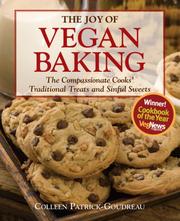
Covers a wide range of everyday baked goods (cakes, cookies, breads, pies) with clear explanations of substitutions, reinforcing the foundational logic introduced in the first book.
Everyday Mastery: Cakes, Cookies & Desserts
BeginnerExecute a full repertoire of crowd-pleasing vegan desserts with confidence, learning how to achieve great texture, moisture, and flavor without eggs or dairy.
▸ Study plan for this stage
Pace: 6–8 weeks, ~25–30 pages/day, with 2–3 baking sessions per week
- Egg replacers and their functions: applesauce, flax eggs, aquafaba, and when to use each based on desired texture and moisture
- Dairy substitutions: plant-based milks, vegan butter, and coconut oil—how they affect crumb structure, rise, and flavor
- Leavening in vegan baking: the critical role of baking soda, baking powder, and acid (vinegar, lemon juice) without eggs for lift
- Moisture management: how to achieve tender cakes and moist cookies without eggs, using techniques like oil-based batters and proper hydration
- Flavor development and richness: using vanilla, spices, cocoa, and extracts to compensate for the depth typically provided by eggs and dairy
- Cupcake-specific techniques: proper batter consistency, filling strategies, frosting application, and decoration for professional-looking results
- Troubleshooting common vegan baking failures: dense crumb, dry texture, poor rise, and how to diagnose and fix them
- What is the difference between using applesauce versus aquafaba as an egg replacer, and when would you choose one over the other?
- How do you create a light, fluffy cake crumb without eggs, and what role does acid play in the leavening process?
- Explain how plant-based milk and vegan butter affect the texture and flavor of cookies and cakes compared to dairy versions.
- What techniques from 'Minimalist Baker's Everyday Cooking' help simplify vegan dessert-making, and how do you apply them to cupcakes?
- How do you troubleshoot a dense or dry vegan cake, and what adjustments would you make to the recipe?
- Describe the process for making, filling, and frosting a vegan cupcake from 'Vegan Cupcakes Take Over the World' with professional results.
- Bake 3 different cakes from 'Minimalist Baker's Everyday Cooking' using different egg replacers (applesauce, flax, aquafaba) and document how each affects texture and moisture
- Make a batch of vegan cookies using oil-based batter and a batch using vegan butter; compare crumb structure, spread, and flavor
- Prepare 2–3 cupcake recipes from 'Vegan Cupcakes Take Over the World' and practice filling and frosting techniques until you achieve consistent, professional-looking results
- Create a side-by-side comparison: bake the same cake recipe with different plant-based milks (oat, almond, soy) and evaluate how each impacts rise, crumb, and flavor
- Intentionally make a 'failed' vegan dessert (e.g., too dense, too dry), diagnose the problem, and rebake with corrections to understand troubleshooting
- Develop a personal 'go-to' vegan dessert repertoire by selecting 4–5 favorite recipes from both books and baking them repeatedly until execution is automatic
Next up: This stage equips you with the foundational techniques and confidence to execute reliable, crowd-pleasing vegan desserts, preparing you to advance to specialized techniques like laminated doughs, advanced decorating, or ingredient-specific mastery (e.g., chocolate, fruit-forward, or dietary-restriction desserts).

Focuses on simple, reliable recipes that consistently deliver delicious results, building the baker's confidence and palate for what well-executed vegan baking tastes like.

A beloved classic that goes deep on one format — cupcakes — teaching frosting, texture, and flavor layering in a focused way that transfers to all cake baking.
Going Deeper: Specialty Baking & Bread
IntermediateTackle more complex baked goods — artisan breads, pastries, and gluten-free options — while understanding the structural role of gluten, yeast, and fat in vegan contexts.
▸ Study plan for this stage
Pace: 4–5 weeks, ~25–30 pages/day, with 2–3 baking projects per week
- How to make vegan butter and cultured dairy alternatives from scratch, and why their fat structure matters for lamination and flakiness
- The role of gluten development in bread-making and how to manipulate it for different textures (chewy vs. tender)
- Fermentation science: how yeast and time create flavor, rise, and structure in vegan breads
- The function of eggs in traditional baking and which plant-based binders (aquafaba, starches, nut butters) replicate those roles in specialty applications
- How hydration, kneading, and rest periods affect dough behavior and final crumb structure
- Gluten-free flour blends and starches: why ratios matter and how to adjust for moisture and binding in vegan contexts
- The interplay between fat, protein, and hydration in creating tender pastries, enriched doughs, and open crumb breads
- Why is the fat structure of homemade vegan butter crucial for laminated pastries, and how does it differ from store-bought alternatives?
- How does gluten development affect bread texture, and what techniques can you use to control it for different styles (artisan sourdough vs. soft sandwich bread)?
- What role does fermentation time play in flavor development and structure, and how do you know when a dough is properly fermented?
- Which plant-based egg replacers work best for different applications (lamination, binding, leavening) and why?
- How do you formulate a gluten-free flour blend that balances structure, moisture, and taste in vegan baking?
- What is the relationship between hydration percentage, kneading, and final crumb structure in bread?
- Make cultured vegan butter from scratch using the methods in Schinner; taste and compare its performance in laminated dough (croissants or Danish) versus store-bought vegan butter
- Bake a basic vegan sourdough or long-fermented bread, tracking fermentation times and observing how flavor and crumb open up over 24–48 hours
- Prepare two batches of the same dough with different hydration levels (e.g., 65% vs. 75%); compare handling, fermentation speed, and final crumb structure
- Create a laminated pastry (croissants, pain au chocolat, or Danish) using homemade vegan butter; document the folding process and troubleshoot any issues with shatter or greasiness
- Formulate and test a gluten-free vegan flour blend for one application (bread, cake, or pastry); adjust ratios based on results and document what worked
- Make vegan custard or cream filling using Schinner's dairy-free techniques; use it in a pastry application and evaluate texture and stability
Next up: This stage builds the foundational understanding of how fats, proteins, fermentation, and hydration work together in complex baked goods, preparing you to apply these principles to advanced techniques like sourdough starters, enriched doughs, and precision gluten-free formulation in the next level.
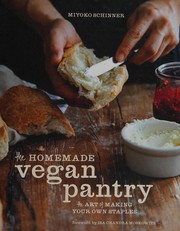
Teaches how to make foundational vegan pantry staples (cultured butter, cream cheese, nut milks) from scratch, giving the baker full control over ingredients and flavor.
Advanced Craft: Professional Techniques & Pastry
ExpertApply professional pastry techniques to vegan baking — laminated doughs, complex layer cakes, mousses, and tarts — and develop the ability to adapt any conventional recipe.
▸ Study plan for this stage
Pace: 8–10 weeks, ~40–50 pages/day with 2–3 baking sessions per week
- Laminated dough construction (croissants, Danish pastries) and the science of steam, gluten development, and fat distribution
- Vegan egg replacers and binders: aquafaba, flax, chia, and starch-based solutions for different applications
- Complex layer cakes: crumb structure, moisture retention, and stability in vegan formulations without traditional eggs
- Mousse and cream techniques: whipping aquafaba to stiff peaks, stabilizing vegan creams, and understanding protein chemistry
- Tart shells and pastry crusts: achieving flakiness and structure without butter or eggs using plant-based fats
- Recipe adaptation methodology: identifying functional roles of animal products and systematic substitution strategies
- Professional finishing: glazes, ganaches, decorative elements, and presentation techniques for vegan pastries
- What is the role of fat distribution and steam in laminated doughs, and how do vegan fats perform compared to butter in croissant production?
- How does aquafaba function as an egg replacer in different contexts (binding, leavening, emulsifying), and what are its limitations?
- What techniques ensure a moist, stable crumb in vegan layer cakes without traditional eggs, and how do you prevent drying out?
- How do you whip aquafaba to stiff peaks, and what stabilizers are necessary to maintain mousse and cream structures?
- What is your systematic approach to adapting a conventional recipe that calls for eggs, butter, and dairy to a fully vegan version?
- How do you achieve professional-quality glazes, ganaches, and finishes on vegan pastries, and what ingredients provide the best results?
- Make a batch of croissants or Danish pastries from 'The Vegan Baker,' documenting fold technique, dough temperature, and lamination success; compare results across two attempts
- Prepare aquafaba from canned chickpeas and whip to stiff peaks; test stability over 24 hours with and without stabilizers (xanthan gum, agar); document texture changes
- Bake a multi-layer cake from 'The Vegan Baker' using aquafaba or another egg replacer; slice and analyze crumb structure, moisture, and stability after 2–3 days
- Create a mousse or cream filling using aquafaba (from 'Aquafaba'); test different stabilization methods and compare texture, taste, and shelf life
- Construct a complete tart (shell + filling + topping) using techniques from both books; evaluate crust flakiness, filling stability, and visual presentation
- Adapt one conventional pastry recipe (non-vegan) to fully vegan using the methodology from both books; test and refine until results match or exceed the original
- Prepare 2–3 different glazes and ganaches from the books; apply to finished pastries and evaluate shine, set time, and flavor integration
Next up: This stage equips you with the professional techniques and recipe-adaptation skills to confidently create restaurant-quality vegan pastries, positioning you to explore specialized applications—such as dietary restrictions (gluten-free, nut-free), scaling for commercial production, or developing your own signature creations.

Bridges everyday and professional baking with technically demanding recipes and detailed method explanations, preparing the reader for high-level creative work.

Dedicated entirely to aquafaba — the most powerful egg-replacement tool — covering meringues, macarons, mousses, and marshmallows that require precise technique and deep understanding.
Discussion
Keep reading
Paths that share books, cover the same subject, or open a related topic.