Herbalism and medicinal plants: the best books to start healing
This curriculum takes a complete beginner from plant identification and basic herbal philosophy all the way through hands-on preparation of remedies, tinctures, and teas at home. Each stage builds on the last — first developing a safe, confident eye for plants, then establishing a practical herbal toolkit, and finally deepening knowledge of specific plant medicine and formulation.
Foundations: Meeting Plants & Herbal Philosophy
BeginnerUnderstand what herbalism is, develop a safe mindset around wild and cultivated plants, and learn how to begin identifying common medicinal species with confidence.
▸ Study plan for this stage
Pace: 4–5 weeks, ~25–30 pages/day. Start with Gladstar's guide (2–3 weeks), then move to Thayer's Forager's Harvest (2 weeks). Allocate extra time for plant identification practice and field observation between reading sessions.
- Herbalism as a holistic practice: the philosophy of working with whole plants rather than isolated compounds, and respecting plants as allies
- Safety fundamentals: proper plant identification, understanding contraindications, dosage principles, and when to consult healthcare providers
- Common medicinal herbs and their primary uses: learning 8–12 signature plants (e.g., chamomile, ginger, echinacea) from Gladstar's guide with their properties and applications
- Ethical foraging and wildcrafting: sustainable harvesting practices, respecting plant populations, and understanding the difference between cultivated and wild plants
- Plant identification confidence: using morphological features (leaf shape, growth pattern, habitat) to distinguish medicinal species from lookalikes, as emphasized in Thayer's work
- Sensory evaluation of plants: using taste, smell, and visual observation to deepen familiarity and begin recognizing plant characteristics in the field
- Preparation methods: basic techniques from Gladstar (infusions, decoctions, tinctures) and how they affect plant potency
- Building a personal herbal practice: creating a realistic, safe foundation for using herbs in daily life
- What is the core philosophy of herbalism according to Gladstar, and how does it differ from pharmaceutical approaches to plant medicine?
- Name at least 5 medicinal herbs from Gladstar's guide, describe their primary uses, and explain one safety consideration for each
- What are the key morphological features you should look for when identifying a plant in the field, and why is it critical to confirm identification before harvesting?
- Explain the difference between ethical wildcrafting and overharvesting; what practices does Thayer recommend to ensure plant populations remain healthy?
- Describe three basic herbal preparation methods (infusion, decoction, tincture) and explain when you would use each one
- What are at least three situations in which you should consult a healthcare provider before using medicinal herbs, and why?
- Create a personal herbal materia medica: select 8–10 herbs from Gladstar's guide and write a one-page profile for each (name, appearance, primary uses, preparation method, safety notes, and personal observations)
- Conduct a sensory tasting and smelling exercise: obtain 3–4 dried herbs from Gladstar's recommendations (e.g., chamomile, peppermint, ginger) and document their taste, aroma, and any physical sensations; compare your experience to Gladstar's descriptions
- Practice plant identification in your local area: using Thayer's identification principles, locate and photograph 5 wild plants (medicinal or not) and create a detailed identification sheet for each, noting leaf shape, growth pattern, habitat, and distinguishing features
- Prepare a simple herbal infusion and decoction: follow Gladstar's instructions to make chamomile tea (infusion) and a ginger decoction; document the process, observe differences in color and strength, and reflect on how preparation method affects the final product
- Research and map local foraging ethics: identify a nearby natural area where wild plants grow, research the landowner's policies, local regulations, and plant populations; create a sustainable harvesting plan that respects Thayer's ethical guidelines
- Interview or shadow an experienced herbalist: if possible, spend time with someone who practices herbalism or foraging; ask about their safety practices, plant identification methods, and how they built confidence over time
Next up: This foundation in plant philosophy, safety, and identification confidence prepares you to move into the next stage—deeper study of specific herbal systems, advanced preparation techniques, and specialized applications—with a grounded, respectful understanding of how to work with plants safely and ethically.

The single best starting point for beginners — Gladstar is the 'godmother of American herbalism' and this book introduces 33 common herbs with clear identification notes, safety guidance, and simple preparations. It sets a warm, accessible tone for the whole journey.
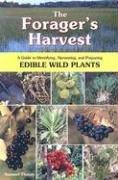
Before preparing any plant, you must identify it correctly. Thayer's meticulous, safety-first approach to plant identification builds the careful observational habits every herbalist needs, reducing the risk of dangerous misidentification.
Growing & Harvesting Your Herbal Garden
BeginnerLearn how to grow, tend, and harvest medicinal herbs at home — understanding when and how to harvest for peak potency and how to dry and store plant material properly.
▸ Study plan for this stage
Pace: 6–8 weeks, ~25–30 pages/day, with 1–2 weeks between books for hands-on practice
- Site selection and soil preparation for medicinal herb gardens (sunlight, drainage, pH, soil enrichment)
- Propagation methods: seeds, cuttings, and division for common medicinal herbs
- Seasonal planting calendars and hardiness zones specific to medicinal plants
- Watering, feeding, and pest management without synthetic chemicals
- Identifying peak harvest windows based on plant part (leaf, flower, root, seed) and potency indicators
- Drying, storing, and preserving harvested herbs to maintain medicinal properties
- Identifying and growing individual medicinal herbs with their specific requirements and uses
- What are the optimal soil conditions (pH, drainage, composition) for growing medicinal herbs, and how do you amend poor soil?
- When should you harvest different plant parts (leaves, flowers, roots, seeds) for maximum potency, and what are the signs of readiness?
- What are the main propagation methods for medicinal herbs, and which herbs are best grown from seed versus cuttings or division?
- How do you properly dry and store harvested herbs to preserve their medicinal compounds, and what are common storage mistakes?
- What are the key growing requirements (light, water, temperature) for at least 8–10 common medicinal herbs covered in the books?
- How do you identify and manage common pests and diseases in an herbal garden without synthetic pesticides?
- Assess your growing space: measure sunlight hours, test soil pH and drainage, and sketch a garden layout based on plant height and light needs from the books
- Start seeds indoors for 3–4 medicinal herbs (e.g., chamomile, basil, thyme) following the specific instructions in McClure and McVicar; track germination rates and timing
- Take cuttings from 2–3 established herbs (mint, rosemary, lavender) and propagate them in water or soil, documenting success rates
- Create a personal harvest calendar for your climate zone, noting the optimal harvest dates for at least 6 medicinal herbs based on the books' guidance
- Harvest, dry, and store a batch of herbs (fresh or purchased) using the methods described in the books; label and date samples, then evaluate quality after 2–4 weeks
- Visit a local nursery or seed catalog and identify 5–8 medicinal herb varieties mentioned in the books; note their growing requirements and compare prices
Next up: This stage equips you with the hands-on skills to produce your own fresh, potent plant material—the essential foundation for the next stage, which will likely focus on processing and preparing these herbs into teas, tinctures, salves, and other medicinal formulations.
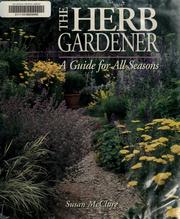
A practical, beginner-friendly guide to cultivating herbs from seed to harvest, covering soil, spacing, and seasonal care — giving the learner a reliable supply of home-grown material for their remedies.
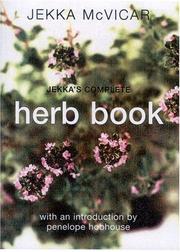
A beautifully detailed reference covering over 100 herbs with growing profiles, harvesting windows, and culinary and medicinal uses — read after McClure to expand the garden repertoire with confidence.
Hands-On Preparations: Teas, Tinctures & Remedies
BeginnerMaster the core techniques of home herbal preparation — infusions, decoctions, tinctures, salves, and oxymels — and understand dosage, safety, and when to use each method.
▸ Study plan for this stage
Pace: 6–8 weeks, ~20–25 pages/day, with 2–3 days per week dedicated to hands-on preparation practice
- The anatomy and chemistry of plant material: plant parts (leaf, root, flower, bark) and how their composition determines extraction method
- Infusions and decoctions: when to use hot-water extraction, timing, temperature, and plant-specific ratios
- Tinctures and maceration: solvent selection (alcohol percentages, vinegar, glycerin), extraction timelines, and potency calculation
- Salves and topical preparations: fat bases, infused oils, wax ratios, and shelf stability
- Oxymels and syrups: fermentation principles, preservation, and flavor integration in remedies
- Dosage protocols: standardizing measurements (drops, teaspoons, frequency) and adjusting for individual factors
- Safety and contraindications: herb-drug interactions, pregnancy/nursing considerations, and quality control of plant material
- Storage and shelf life: proper containers, environmental conditions, and labeling for home-prepared remedies
- What are the key differences between an infusion and a decoction, and how do you decide which method to use for a specific plant?
- Explain the role of solvent strength (alcohol percentage) in tincture-making and how it affects extraction and shelf life.
- How do you calculate and communicate safe dosages for homemade herbal preparations, and what factors require dosage adjustment?
- What are the essential safety considerations when preparing herbal remedies, including herb-drug interactions and contraindications?
- Describe the process of making an infused oil and explain how you would convert it into a salve with proper consistency.
- What is an oxymel, how does it differ from a tincture, and in what situations would you recommend it over other preparation methods?
- Make a simple leaf infusion (chamomile or peppermint) using proper ratios and timing; document temperature, steeping time, and sensory observations.
- Prepare a root decoction (ginger or licorice) and compare the extraction process and final product to your infusion from Exercise 1.
- Create a 1:5 alcohol tincture with a fresh herb and a 1:5 tincture with a dried herb; label with date and plant material, and observe extraction over 4 weeks.
- Infuse a carrier oil (olive or coconut) with dried herbs for 2–4 weeks, then make a small batch of salve by combining infused oil with beeswax; test consistency and document ratios.
- Prepare an oxymel using vinegar, honey, and a medicinal herb; taste and document flavor profile and preservation.
- Create a dosage chart for three different herbal preparations you've made, including drop counts, teaspoon equivalents, and frequency recommendations based on the source material.
Next up: This stage equips you with reproducible, safe techniques to create remedies at home; the next stage will build on this foundation by exploring how to select and combine herbs strategically for specific health conditions and constitutional types.
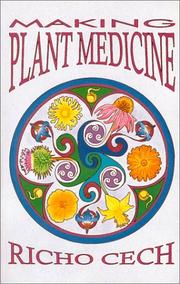
The most thorough beginner-to-intermediate manual on actually making herbal preparations. Cech covers tinctures, teas, salves, and more with precise ratios and clear instructions — the essential 'how-to' companion after building plant knowledge.
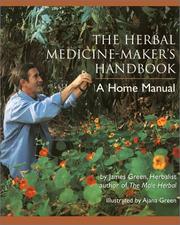
A warm, deeply practical guide that expands on preparation techniques with a focus on the craft and philosophy of medicine-making at home. Read after Cech to reinforce and enrich your technique with additional formulas and context.
Deepening: Plant Profiles & Therapeutic Use
IntermediateMove beyond technique to understand the therapeutic properties of specific herbs, how to match plants to common ailments, and how to begin thinking in simple formulas.
▸ Study plan for this stage
Pace: 8–10 weeks, ~40–50 pages/day (with 2–3 days/week for reflection and exercises)
- Herb profiles: understanding the energetics, constituents, and actions of individual plants (from Dispensatory)
- Therapeutic matching: selecting herbs based on specific conditions, constitutional types, and individual presentations
- Adaptogens as a distinct category: their mechanism of action, stress-resilience properties, and appropriate applications
- Formulation basics: how to combine herbs synergistically and understand herb-to-herb interactions
- Dosage and preparation methods: matching dose and form (tea, tincture, decoction, etc.) to therapeutic intent
- Safety and contraindications: recognizing when an herb is appropriate and when it is not for a given person
- Energetic and constitutional thinking: moving from symptom-chasing to pattern recognition and whole-person assessment
- What are the key constituents of 5–7 herbs from the Dispensatory, and how do those constituents relate to their therapeutic actions?
- How would you select an appropriate herb (or combination) for a specific common ailment, and what factors would influence your choice?
- What distinguishes adaptogens from other herbal categories, and what are 3–4 examples of adaptogens with their primary uses?
- How do you think about combining two or three herbs into a simple formula, and what principles guide that combination?
- What are the contraindications or cautions for at least 5 herbs you've studied, and when would you avoid recommending them?
- How would you adjust the dose or preparation method of an herb based on the person's age, constitution, or condition?
- Create detailed one-page profiles for 10–12 herbs from the Dispensatory: constituents, actions, traditional uses, modern applications, and contraindications.
- Build three simple two- or three-herb formulas for common conditions (e.g., stress, poor digestion, mild insomnia), documenting your reasoning for each herb choice and how they work together.
- Research and document 5–6 adaptogens from Winston's book; for each, note the mechanism of action, best-suited constitutional types, and how it differs from non-adaptogenic herbs.
- Interview or survey 3–5 people about a health concern, then propose an herbal approach using the Dispensatory and Adaptogens—explain your selections to a peer or mentor for feedback.
- Prepare three different forms (tea, tincture, and infused oil or salve) of one herb, noting differences in extraction, potency, and best use cases.
- Create a personal materia medica (reference guide) of 15–20 herbs organized by therapeutic action (e.g., nervines, digestives, adaptogens), with dosage and preparation notes for quick consultation.
Next up: This stage equips you with a working knowledge of individual herbs and simple combinations, preparing you to explore advanced formulation strategies, clinical decision-making frameworks, and deeper constitutional or energetic systems in the next level.

Bridges the gap between beginner preparation guides and serious herbal practice by organizing herbs by their actions and therapeutic uses — ideal once you can already make preparations and want to use them more intentionally.

Focuses on one of the most relevant and popular categories of medicinal herbs today. Winston is a respected clinical herbalist, and this book deepens understanding of how specific plants affect body systems — a natural next step toward more sophisticated herbal thinking.
Discussion
Keep reading
Paths that share books, cover the same subject, or open a related topic.