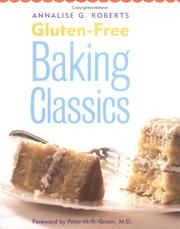
German cooking: essential books for hearty classics and fresh bread
This curriculum takes a beginner from zero knowledge of German cuisine to confident, hands-on mastery of its most beloved classics — schnitzel, sausages, sauerkraut, and hearty baked goods. Each stage builds on the last: first establishing cultural context and foundational techniques, then diving into iconic dishes and regional specialties, and finally tackling the more nuanced craft of German baking and charcuterie.
Foundations: Understanding German Cuisine
BeginnerGain a broad, welcoming introduction to German food culture, pantry staples, and the logic behind hearty German cooking before touching a single recipe.
▸ Study plan for this stage
Pace: 4–5 weeks, ~25–30 pages/day. Start with "German Cooking Today" (weeks 1–2), then move to "The German Cookbook" (weeks 3–5). Allocate 2–3 days per week for reflection and pantry exploration.
- German regional diversity: how geography, climate, and history shape distinct regional cuisines (Bavarian, Prussian, Rhineland, etc.)
- Core German pantry staples: rye, potatoes, pork, sauerkraut, mustard, and preserved vegetables as the foundation of German cooking
- The philosophy of hearty, economical cooking: how German cuisine maximizes flavor and nutrition from humble, affordable ingredients
- Flavor profiles and cooking techniques: the balance of sour, salty, and savory; braising, pickling, and slow-cooking as signature methods
- Seasonal eating and preservation: how Germans traditionally adapted to limited winter availability through fermentation, smoking, and curing
- The cultural and social role of food: how German meals reflect family values, celebration, and community
- Ingredient quality and sourcing: why German cooks prioritize fresh, local, and high-quality basics over exotic imports
- What are the five most essential pantry staples in German cooking, and why is each one foundational to the cuisine?
- How do German regional cuisines differ, and what geographic or historical factors explain these differences?
- What is the underlying philosophy of German cooking, and how does it reflect German cultural values?
- Name three traditional German cooking techniques and explain when and why each is used.
- How did seasonal limitations and the need for food preservation shape German cuisine historically?
- What role do fermentation and pickling play in German cooking, and what foods are traditionally preserved this way?
- Create a German pantry inventory: visit a German or European grocery store and identify 10–15 staple ingredients mentioned in the books. Photograph them and note their uses.
- Regional mapping exercise: as you read about different regions, create a simple map of Germany marking Bavarian, Prussian, Rhineland, and other key regions, noting 2–3 signature dishes or ingredients from each.
- Flavor profile tasting: source and taste three German condiments (e.g., whole-grain mustard, sauerkraut, pickled vegetables) and write 2–3 sentences describing how each embodies German flavor philosophy.
- Pantry staple deep-dive: choose one staple (potatoes, rye, pork, or sauerkraut) and research its historical and cultural significance in German cooking using the books as your primary source.
- Seasonal meal planning: design a simple German meal for each season (spring, summer, fall, winter) based on what you've learned about seasonal eating and preservation in the books.
- Interview or conversation: if possible, speak with someone with German cooking experience or heritage about their favorite pantry staple or regional dish, and connect their insights to what you've read.
Next up: By internalizing the cultural logic, regional diversity, and ingredient foundations of German cuisine, you'll be ready to move into the next stage—learning to execute actual German recipes with understanding and confidence, knowing not just *how* to cook them but *why* they work.

The Dr. Oetker brand is the definitive household authority on German cooking; this comprehensive beginner-friendly reference covers pantry essentials, classic techniques, and the full range of German dishes, making it the perfect starting point.

A canonical, widely respected survey of authentic German cuisine by a celebrated food writer; reading it second deepens cultural understanding and introduces the regional variety of German food before you begin cooking specific dishes.
The Classics: Schnitzel, Sausages & Sauerkraut
BeginnerCook the most iconic German comfort dishes with confidence — breaded cutlets, braised meats, sausage preparations, and fermented cabbage — using the foundational knowledge already built.
▸ Study plan for this stage
Pace: 4–5 weeks, ~25–30 pages/day, with 2–3 cooking sessions per week
- The role of breading and frying techniques in creating the crispy exterior and tender interior of schnitzel and similar cutlets
- How slow braising and low-temperature cooking transform tough cuts of meat into tender, flavorful dishes (sauerbraten, rouladen, pot roasts)
- The variety of German sausage types, their regional origins, and proper cooking methods for each (bratwurst, knockwurst, leberwurst)
- Fermentation science behind sauerkraut: salt ratios, timing, and flavor development across different stages
- Building layered flavors through stock, vinegar, and spice combinations in traditional German sauces and gravies
- How seasonal and regional variations shape classic German comfort dishes across different German-speaking regions
- The cultural and historical context of these dishes in German family meals and celebrations
- What are the key steps to achieve a perfectly crispy schnitzel, and how does the breading process differ from other fried dishes?
- Explain the braising method used in sauerbraten or rouladen—why is low heat and long cooking time essential, and what role does vinegar play?
- What are the main categories of German sausages, and how should each type be cooked to preserve its flavor and texture?
- How do you make sauerkraut from scratch, and what signs indicate proper fermentation?
- How do you build and balance flavors in a traditional German sauce or gravy using stock, vinegar, and aromatics?
- What regional or seasonal variations exist for classic dishes like schnitzel or braised meats, and what do these variations tell us about German food culture?
- Make schnitzel (pork or veal) following Hassani's technique: pound the meat, bread it properly, and fry until golden; evaluate your crust texture and interior tenderness
- Prepare a braised dish (sauerbraten or rouladen) from 'My Berlin Kitchen,' focusing on the browning step, liquid ratios, and low-temperature cooking; taste how flavors develop over time
- Purchase 3–4 different German sausage varieties and cook each using appropriate methods (pan-frying, simmering, grilling); document flavor and texture differences
- Make sauerkraut from scratch using Hassani's or Weiss's recipe; taste it at different fermentation stages (3 days, 1 week, 2 weeks) to understand flavor development
- Prepare a complete German meal featuring one classic dish (schnitzel, braised meat, or sausage) with sauerkraut and a traditional sauce; serve to friends or family and gather feedback
- Compare two regional variations of the same dish (e.g., Bavarian vs. Prussian schnitzel, or different sauerkraut preparations) by cooking both and noting differences in technique, ingredients, and flavor
Next up: Mastering these foundational techniques and flavor profiles equips you to explore more complex German dishes—regional specialties, holiday preparations, and multi-component meals that build on schnitzel, braising, and fermentation skills.
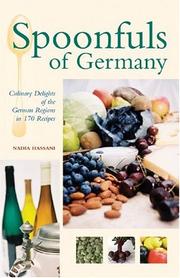
Focused squarely on authentic, home-style German recipes, this book walks beginners through classic preparations like schnitzel and sauerkraut with clear instructions, bridging cultural knowledge into practical cooking.

A personal, narrative-driven cookbook rooted in everyday Berlin cooking; its approachable tone and recipes for sausages, cabbage dishes, and braised meats make classic German flavors feel achievable and inviting.
Going Deeper: Regional Specialties & Technique
IntermediateMove beyond the basics to explore Germany's distinct regional cooking traditions — Bavarian, Rhineland, Swabian — and refine technique for more complex meat and vegetable dishes.
▸ Study plan for this stage
Pace: 4–5 weeks, ~25–30 pages/day, with 2–3 cooking sessions per week
- Bavarian regional identity and its influence on ingredient selection and flavor profiles (dairy, pork, root vegetables, beer)
- Technique refinement: proper braising, slow-cooking methods, and meat preparation specific to Bavarian cuts and dishes
- The role of seasonality and preservation in Bavarian cooking (smoking, curing, fermenting)
- Signature Bavarian dishes and their variations across different Bavarian subregions
- Beer and wine integration in cooking: selection, reduction, and flavor development
- Balance of rich, hearty flavors with acidic and fresh elements (vinegar, herbs, pickled vegetables)
- What are the defining characteristics of Bavarian cuisine, and how do geography and climate shape its ingredient base?
- How do braising and slow-cooking techniques differ from basic cooking methods, and when should each be applied to Bavarian dishes?
- What role do beer and dairy play in Bavarian cooking, and how do you select appropriate varieties for specific dishes?
- How can you adapt traditional Bavarian recipes to seasonal availability while maintaining authentic flavor?
- What are the key differences between Bavarian meat preparations (e.g., schnitzel, sauerbraten, schweinshaxe) and how do you execute each with proper technique?
- How do preservation methods like smoking and curing influence flavor development in Bavarian dishes?
- Cook 3–4 foundational Bavarian meat dishes from the book (e.g., sauerbraten, schweinshaxe, schnitzel) and document your technique, timing, and flavor results
- Prepare a Bavarian braise (beef or pork) and practice the key steps: searing, building fond, deglazing, and low-temperature cooking; taste at different stages to understand flavor development
- Experiment with beer and wine reduction: make 2–3 sauces using different beer styles and observe how alcohol burn-off, acidity, and sweetness change the final flavor
- Create a seasonal Bavarian menu (3–4 courses) using only ingredients available in one season, and cook it for guests or family
- Practice knife skills and meat butchery specific to Bavarian cuts: trim and prepare pork shoulder, beef chuck, and other traditional cuts
- Prepare a Bavarian pickle or fermented vegetable side (e.g., sauerkraut, pickled red cabbage) and taste it across 1–2 weeks to understand fermentation flavor development
Next up: This stage equips you with deep technical mastery of one region's cooking philosophy and methods, preparing you to compare and contrast Bavarian techniques with other German regional traditions (Rhineland, Swabian, etc.) and understand how regional identity shapes cooking across the country.
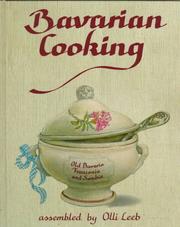
Bavaria is the heartland of schnitzel, pork roasts, and hearty dumplings; this focused regional guide introduces the specific techniques and flavor profiles of southern Germany that every serious student of German cooking should master.
A thorough intermediate-level reference that bridges savory and sweet German cooking, reinforcing meat and fermentation techniques while introducing the baking traditions that form the next stage of the curriculum.
The Craft: German Baking & Bread
IntermediateMaster the distinctly German art of bread, cake, and pastry baking — from dense rye loaves and pretzels to Black Forest cake — completing a full picture of the German table.
▸ Study plan for this stage
Pace: 6–8 weeks, ~25–30 pages/day, with 2–3 baking sessions per week
- German bread fundamentals: rye, wheat, and mixed-grain loaves with proper fermentation and hydration ratios
- Pretzel craft: shaping, lye-bathing, and achieving authentic texture and flavor
- German cake traditions: Black Forest cake, Sachertorte, and butter cakes with precise layering and filling techniques
- Rye baker's science: understanding rye flour's unique properties, enzyme activity, and how to build flavor through long fermentation
- Laminated doughs: Danish, croissants, and other pastries requiring precision folding and temperature control
- German yeast and sourdough cultures: maintaining starters, building depth of flavor, and managing wild fermentation
- Precision in German baking: exact measurements, baker's percentages, and the role of weight-based formulas
- What are the key differences between German rye, wheat, and mixed-grain breads, and how do fermentation times differ for each?
- How does the lye bath transform pretzel dough, and what safety and technique considerations are essential?
- What makes Black Forest cake distinctly German, and how do you build and assemble its layers properly?
- Why is rye flour enzymatically different from wheat flour, and how does this affect dough development and flavor?
- How do you build and maintain a German sourdough or rye starter, and what role does it play in long fermentation?
- What are baker's percentages, and how do you use them to scale German bread and pastry recipes accurately?
- Bake a classic German rye loaf from 'The Rye Baker,' documenting fermentation times, hydration, and crumb structure; compare results across two attempts
- Master pretzel shaping and lye-bathing: make at least 3 batches, adjusting lye concentration and baking temperature to achieve authentic crust and interior
- Bake Black Forest cake from 'Classic German Baking,' focusing on sponge cake layers, cherry filling, and chocolate shavings; photograph each assembly stage
- Build and maintain a rye starter over 2 weeks, feeding it daily and documenting activity; use it in a final bread bake
- Create a laminated dough (Danish or croissant) from one of the books, tracking temperature and fold precision across multiple sessions
- Bake a German butter cake or Sachertorte, measuring ingredients by weight and calculating baker's percentages for your own future scaling
- Conduct a side-by-side tasting: bake two versions of the same bread using different fermentation times or hydration levels, analyzing flavor and texture differences
Next up: This stage equips you with mastery of German baking's technical foundations and flavor-building methods, preparing you to explore how these techniques extend into regional German pastry traditions, modern interpretations, and the cultural history that shaped them.

The single most celebrated English-language book on German baking; Weiss covers pretzels, rye breads, strudel, and festive cakes with meticulous, tested recipes that are accessible yet deeply authentic.

German bread culture is inseparable from rye, and this authoritative book dives deep into the fermentation, sourdough, and shaping techniques behind Germany's iconic dark loaves — the ideal capstone for a serious home baker.
Mastery: Charcuterie, Fermentation & the Full German Table
ExpertAchieve true depth by understanding the craft behind German sausage-making, curing, and fermentation from scratch — the skills that underpin the entire cuisine at a professional level.
▸ Study plan for this stage
Pace: 8–10 weeks, ~25–30 pages/day, with 1–2 weeks per book to allow for hands-on practice between chapters
- The science of curing: salt, nitrates, and how they preserve and transform meat at a molecular level
- Fermentation as a controlled microbial process: understanding wild yeasts, lactobacilli, and beneficial bacteria in sausages and preserved foods
- Sausage-making fundamentals: grinding, seasoning, stuffing, and the role of temperature control and humidity in the final product
- Dry-curing and wet-curing techniques specific to German traditions: timing, salt ratios, and aging conditions for authentic results
- Fermentation in German cuisine beyond sausage: sauerkraut, kimchi, and other vegetable ferments as foundational elements of the German table
- The relationship between craft technique and flavor development: how time, temperature, and microbial activity create complexity
- Food safety in home charcuterie and fermentation: recognizing spoilage versus beneficial fermentation, pH management, and hygiene protocols
- What is the role of salt and nitrates in meat preservation, and how do they differ in their effects on flavor and safety?
- How do lactobacilli and wild yeasts function in fermented sausages, and what environmental conditions (temperature, humidity, time) are necessary to cultivate them successfully?
- What are the key differences between dry-curing and wet-curing methods in German charcuterie, and when is each technique appropriate?
- How do you identify the difference between spoilage and beneficial fermentation in both sausages and vegetable ferments?
- What is the complete process for making a traditional German sausage from meat selection through grinding, seasoning, stuffing, and aging?
- How does fermentation contribute to the flavor profile and nutritional value of German preserved foods, and what role does time play in this transformation?
- Make a batch of sauerkraut or another vegetable ferment from 'The Art of Fermentation,' monitoring pH levels weekly and documenting the flavor evolution over 2–4 weeks
- Cure and dry a small batch of bacon or pancetta using the salt-curing principles from 'Charcuterie,' tracking weight loss and color development over 2–3 weeks
- Grind, season, and stuff a fresh sausage (non-fermented) following Ruhlman's recipes and techniques, then compare texture and flavor to a commercial equivalent
- Ferment a batch of German-style sausage (such as a simple salami or summer sausage) over 3–4 weeks, maintaining temperature and humidity logs and tasting at key intervals
- Conduct a side-by-side taste test of homemade and store-bought cured or fermented products, analyzing differences in salt content, texture, and flavor complexity using concepts from both books
- Create a detailed chart mapping the microbial and chemical changes that occur during fermentation, cross-referencing Katz's fermentation science with Ruhlman's curing explanations
Next up: This stage transforms you from a home cook into a practitioner who understands the deep craft and science behind German cuisine's most iconic preserved foods, positioning you to either teach these techniques to others, develop your own regional variations, or explore how these preservation methods connect to the broader European charcuterie and fermentation traditions.
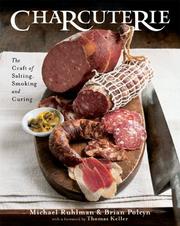
The definitive English-language guide to the curing, smoking, and sausage-making traditions that are central to German cuisine; having cooked German dishes for two stages, the learner now has the context to appreciate and apply these foundational craft techniques.

Sauerkraut and other fermented foods are pillars of German cooking; this landmark book provides the deep scientific and practical understanding of lacto-fermentation needed to make truly authentic, complex sauerkraut and pickles from scratch.
Discussion
Keep reading
Paths that share books, cover the same subject, or open a related topic.