Persian cooking for beginners: essential books for rice, stews, and herbs
This curriculum takes you from the foundational flavors and techniques of Persian cooking all the way to mastering its most iconic and nuanced dishes. Each stage builds on the last — starting with cultural context and pantry essentials, moving through core recipes like tahdig and herb stews, and finally reaching the deeper craft of saffron-laced feasts and regional specialties that define Iran's beloved culinary tradition.
Foundations: Pantry, Culture & First Flavors
BeginnerUnderstand the essential ingredients, spices, and cultural philosophy behind Persian cooking, and cook your first simple Persian dishes with confidence.
▸ Study plan for this stage
Pace: 4–5 weeks, ~25–30 pages/day. Read "Persiana" (weeks 1–2), then "The New Persian Kitchen" (weeks 3–5), with cooking practice interspersed throughout.
- The core Persian spice palette: sumac, pomegranate molasses, saffron, turmeric, cinnamon, and dried limes (loomi), and how they create the distinctive Persian flavor profile
- The cultural and historical significance of Persian cuisine as a bridge between Middle Eastern, Mediterranean, and Central Asian traditions
- Essential pantry staples: dried herbs (parsley, mint, dill), rice varieties, legumes, nuts, and preserved ingredients that form the foundation of Persian cooking
- The balance of sweet, sour, and savory in Persian dishes, and how pomegranate, citrus, and herbs create complexity without heavy sauces
- Practical techniques for building flavor: toasting spices, blooming aromatics in oil, layering herbs, and the importance of rice preparation
- How Persian home cooking emphasizes simplicity, seasonal ingredients, and communal eating rather than elaborate technique
- Modern adaptations: how to source authentic ingredients in Western kitchens and substitute thoughtfully when necessary
- What are the five most essential spices in Persian cooking, and what flavor profile does each contribute?
- How do pomegranate molasses and dried limes function in Persian cuisine, and what makes them irreplaceable?
- Explain the concept of 'sweet and sour' balance in Persian dishes—give two specific examples from the books.
- What is the cultural significance of rice and herbs in Persian cooking, and how do they reflect Persian values?
- How would you adapt a Persian recipe if you couldn't find sumac or pomegranate molasses, and what would be the trade-offs?
- Describe the basic technique for preparing tahdig (crispy rice) and why it matters in Persian meals.
- Build your Persian pantry: source and taste at least 5 essential spices (sumac, pomegranate molasses, saffron, turmeric, dried limes) from a Middle Eastern market or online. Toast them dry and note their aromas.
- Cook a simple herb and rice dish (such as Sabzi Polo from 'Persiana' or a basic herb rice from 'The New Persian Kitchen') to practice rice technique and understand how fresh herbs anchor Persian flavor.
- Prepare a quick pomegranate-based dish (e.g., a simple salad or sauce) to experience how pomegranate molasses and fresh pomegranate seeds create the sweet-sour balance central to Persian cooking.
- Make a spice-forward dish like Ghormeh Sabzi (herb and kidney bean stew) or a simple Khoresh to practice layering spices and herbs and understand slow-cooked flavor development.
- Cook tahdig (crispy rice bottom) intentionally at least twice, adjusting heat and timing to achieve the golden, crackling texture—this is a signature Persian technique worth mastering early.
- Prepare a complete Persian meal for yourself or others using recipes from both books: choose a rice dish, a herb-based stew or vegetable dish, and a simple yogurt or salad side to experience how dishes work together.
Next up: Mastering these foundational ingredients, flavor principles, and basic techniques will prepare you to explore more complex Persian dishes, regional variations, and advanced cooking methods in the next stage.

A welcoming, accessible entry point into Persian-inspired cooking that introduces key flavors — saffron, dried limes, pomegranate — through approachable, modern recipes. Perfect for building intuition before tackling more traditional techniques.

Bridges traditional Persian pantry staples with clear, beginner-friendly instructions. Reading this second reinforces the flavor vocabulary from Persiana while introducing authentic Persian dish structures like khoresh (stew) and polo (rice).
The Heart of It: Rice, Tahdig & Herb Stews
BeginnerMaster the two pillars of Persian cooking — perfectly steamed fragrant rice with a golden tahdig crust, and the iconic herb-forward stews like Ghormeh Sabzi and Fesenjan.
▸ Study plan for this stage
Pace: 4–5 weeks, ~25–30 pages/day, with 2–3 cooking sessions per week
- The foundational role of rice (chelo) as the centerpiece of Persian meals and its cultural significance
- Tahdig technique: achieving the perfect golden, crispy rice crust through heat management and butter/oil layering
- The flavor profile and construction of herb stews (khoresh-e sabzi): balancing fresh herbs, dried limes, and slow-cooked proteins
- Ghormeh Sabzi as the quintessential herb stew: kidney beans, dried limes, and the holy trinity of parsley, cilantro, and chives
- Fesenjan's sweet-savory balance: pomegranate molasses, walnuts, and how it differs from other Persian stews
- Water management and steam control in Persian cooking: why traditional methods produce superior texture and flavor
- The interplay between rice and stew: how to serve and eat them together as a complete dish
- What are the three main methods for cooking rice in Persian cuisine, and which produces tahdig?
- Describe the step-by-step process for creating a crispy tahdig without burning it.
- What are the three essential herbs in Ghormeh Sabzi, and why is each one important to the final flavor?
- How do dried limes (loomi) function in Persian herb stews, and what is their flavor contribution?
- What are the key differences between Ghormeh Sabzi and Fesenjan in terms of ingredients, technique, and final taste?
- Why is water management critical in both rice cooking and stew preparation, and how does it affect the final dish?
- Cook chelo (plain steamed rice) using Batmanglij's method at least 3 times, focusing on achieving fluffy, separate grains and noting how water ratios affect texture
- Attempt tahdig 4–5 times using different heat levels and fat types (butter vs. oil), documenting which produces the best crust without burning
- Prepare Ghormeh Sabzi from start to finish, tasting at each stage to understand how the flavors develop and meld over time
- Make Fesenjan and compare it side-by-side with Ghormeh Sabzi, noting the textural and flavor differences
- Conduct a blind taste test of your tahdig against a friend's or family member's to identify what makes yours distinctive
- Prepare a complete Persian meal (rice + stew + accompaniments) for guests, practicing the timing and presentation as described in the books
- Experiment with substituting or omitting one herb from Ghormeh Sabzi to understand the role each plays in the final dish
Next up: This stage establishes mastery of Persian cooking's two non-negotiable foundations, positioning you to confidently build on them with more complex stews, layered rice dishes, and regional variations in the next stage.

The definitive, most comprehensive English-language Persian cookbook, written by the foremost authority on the cuisine. After building flavor intuition, this is where you learn the authentic, step-by-step method for chelow, polo, and tahdig in all its forms.

Batmanglij's deeper regional survey expands your understanding of herb stews and rice dishes beyond the classics, showing how ingredients and techniques vary across Iran's diverse provinces — essential reading after mastering the foundations in Food of Life.
Going Deeper: Saffron, Celebration & Feast Cooking
IntermediateDevelop a sophisticated command of saffron as a core ingredient, understand Persian celebration cooking, and execute complex layered rice dishes and slow-cooked stews with confidence.
▸ Study plan for this stage
Pace: 6–8 weeks, ~40–50 pages/day, with 2–3 cooking sessions per week
- Saffron's role as a signature Persian ingredient: its history, cultivation, quality markers, and how to properly steep and deploy it in dishes
- The cultural and ceremonial significance of Persian celebration cooking—weddings, Nowruz, and religious festivals—and how ingredient choices reflect these occasions
- Layered rice techniques (tahdig, layering with herbs and aromatics, steaming methods) and how they create texture and visual drama in Persian feasts
- Slow-cooked stew foundations (khoresh): building depth through caramelized onions, spice layering, and long braises with meat, legumes, and fruit
- Flavor architecture in Persian cuisine: the interplay of sour (pomegranate, lime), sweet (dried fruit, sugar), savory (meat, herbs), and aromatic (saffron, rose, cardamom)
- Regional and seasonal variations in Persian cooking as documented across both books, and how celebration menus adapt to available ingredients and local traditions
- Practical mastery of timing and mise en place for multi-component feast meals where rice, stews, and garnishes must come together simultaneously
- What are the key quality indicators when selecting saffron, and how do steeping time and temperature affect its color, flavor, and application in different dishes?
- How do Persian celebration menus differ across Nowruz, weddings, and religious observances, and what role do specific ingredients (saffron, pomegranate, rose water) play in each context?
- Describe the tahdig technique: what makes a successful crispy rice bottom, and how do variations in fat, heat, and timing produce different textures?
- What are the core building blocks of a khoresh (Persian stew), and how do you layer flavors through caramelization, spice timing, and ingredient sequencing?
- How do sour, sweet, savory, and aromatic elements balance in a single Persian dish, and what happens when one element is missing or overdone?
- Plan a complete Persian feast menu for a specific occasion (Nowruz or wedding) using recipes from both books, explaining your ingredient choices and timing strategy
- Conduct a saffron tasting: steep samples at different temperatures (160°F, 180°F, 200°F) and durations (5, 10, 20 minutes), noting color intensity and flavor profile; document which applications suit each result
- Make tahdig three times using different methods: potato-lined, herb-layered, and yogurt-crusted; evaluate crispness, flavor, and visual appeal; identify your preferred technique
- Prepare two khoresh recipes from the books (e.g., khoresh fesenjan and khoresh bademjan) back-to-back, noting how spice timing, caramelization depth, and ingredient ratios differ and affect final flavor
- Cook a complete Nowruz menu (rice, one khoresh, herb platter, yogurt side, and a saffron-based dessert or drink) with timing mapped out; practice coordinating multiple components to finish simultaneously
- Create a tasting comparison: prepare the same rice dish (e.g., saffron rice) using two different saffron qualities or steeping methods; blind-taste and articulate the differences
- Develop a wedding feast menu using 3–4 recipes across both books; shop, prep, and execute the full meal for guests, documenting timing challenges and solutions
Next up: This stage builds the technical foundation and cultural literacy needed to move into advanced territory—whether that's mastering regional specialties, exploring the intersection of Persian cooking with other Levantine cuisines, or developing the confidence to improvise and adapt recipes based on seasonal availability and personal taste.

While rooted in the broader Middle East, Khan's narrative-driven approach deepens your understanding of saffron, dried fruits, and slow-cooked layered flavors that are central to Persian feast cooking, building cultural and sensory context.

A personal, story-rich cookbook that focuses on the intersection of Italian and Persian cooking, helping intermediate cooks understand how Persian flavors — especially saffron and herbs — can be applied with greater creativity and precision.
Mastery: History, Technique & the Full Table
ExpertAchieve a deep, historically informed mastery of Persian cuisine — understanding the 'why' behind every technique, from ancient spice traditions to the art of composing a full Persian spread (sofreh).
▸ Study plan for this stage
Pace: 8–10 weeks, ~40–50 pages/day, with 2–3 cooking sessions per week
- The historical continuum of Persian cuisine from ancient Persia through Islamic dynasties to modern Iran, and how this shapes ingredient choices and flavor profiles
- The philosophy of balance and harmony (taste, texture, aroma, temperature) as the organizing principle behind Persian dish composition
- Spice layering and the role of saffron, rose water, and dried limes as signature flavor anchors that define Persian identity in cooking
- The sofreh as both a physical table setting and a cultural statement—understanding how to compose a complete, balanced Persian meal that honors tradition
- Technique mastery: the art of slow-cooking, caramelization, and the 'tahdig' (crispy rice bottom) as expressions of Persian culinary values
- Regional variation within Persian cooking—how geography, climate, and trade routes created distinct flavor traditions (coastal, mountain, desert)
- The role of rice as the foundational starch and its preparation as a meditative, technically demanding craft
- How to read a Persian recipe as a cultural text—understanding implicit techniques, ingredient substitutions, and the cook's intent behind each step
- How does the historical arc of Persian cuisine (from Achaemenid through Safavid to contemporary Iran) explain the prominence of specific spices and flavor combinations in modern dishes?
- What is the philosophy of balance in Persian cooking, and how do you apply it when composing a complete sofreh?
- Explain the role of saffron, rose water, and dried lime in Persian cuisine—why are these three ingredients considered non-negotiable, and how do they interact?
- What is tahdig, why is it culturally significant in Persian cooking, and what techniques does Deravian or Batmanglij use to achieve it consistently?
- How do regional variations (e.g., Caspian, Persian Gulf, Isfahan) manifest in ingredient choice and cooking method, and can you identify at least three dishes that exemplify regional identity?
- What implicit techniques or cultural assumptions are embedded in a traditional Persian recipe, and how do you decode them as a cook?
- Read 'Joon' cover-to-cover, annotating the introduction and essays for historical context; create a timeline of Persian culinary history with 8–10 key turning points and their ingredient/technique implications
- Prepare at least 3 rice dishes from 'Joon' (e.g., plain tahdig, a spiced pilaf, a layered rice dish), documenting your tahdig technique each time and comparing results
- Cook 4–5 khoresh (stew) recipes from 'Joon' over 2–3 weeks, tasting for balance of sour, sweet, and savory; write a tasting note for each explaining how the dish achieves harmony
- Read 'Bottom of the Pot' and create a comparative chart: map 5 recipes from Deravian against similar dishes in 'Joon', noting differences in technique, ingredient ratios, and regional origin
- Compose and execute a complete sofreh (Persian table spread) using recipes from both books—include rice, at least 2 khoresh, fresh herbs, yogurt, and pickles; photograph and reflect on balance and flow
- Master one signature spice blend or flavor anchor from each book (e.g., a saffron-rose water syrup from 'Joon', a dried lime-turmeric base from 'Bottom of the Pot'); use it in 2–3 dishes to understand its versatility
Next up: This stage establishes you as a historically literate, technically confident Persian cook who understands the 'why' behind every element; the next stage will likely focus on either innovation within tradition (adapting Persian techniques to available ingredients or modern contexts) or deepening regional mastery through travel, oral history, or specialized cookbooks.

A refined, beautifully curated collection from Batmanglij that distills decades of expertise into the most essential Persian recipes, ideal for the advanced cook who wants to perfect and internalize the canon.
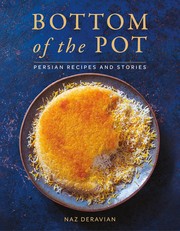
A memoir-cookbook that weaves personal narrative with deeply authentic recipes, giving advanced cooks the emotional and cultural depth to truly understand what Persian cooking means — and how to bring a full, soulful sofreh to the table.
Discussion
Keep reading
Paths that share books, cover the same subject, or open a related topic.