Filipino cooking: top books to master adobo, sinigang, and lumpia
This curriculum takes a beginner from zero knowledge of Filipino cuisine all the way to confident, nuanced home cooking of iconic dishes like adobo, sinigang, lumpia, and pancit. Each stage builds on the last — starting with cultural context and simple techniques, moving through dish-by-dish mastery, and finally arriving at the deeper flavor philosophy and regional variation that define truly authentic Filipino cooking.
Foundations: Culture, Flavor, and First Dishes
BeginnerUnderstand the cultural roots of Filipino cuisine, get comfortable with key pantry ingredients (fish sauce, vinegar, tamarind, soy sauce), and successfully cook your first adobo and sinigang.
▸ Study plan for this stage
Pace: 4–5 weeks, ~40–50 pages/day, with 2–3 cooking sessions per week
- Filipino cuisine as a reflection of colonial history, geography, and cultural identity—how Spanish, Chinese, and indigenous influences shaped the food
- The role of vinegar, soy sauce, fish sauce, and tamarind as the foundational flavor pillars that define Filipino cooking
- Adobo as the national dish: its variations, cooking method (braising in vinegar and soy), and cultural significance across regions
- Sinigang as a sour, broth-based stew: the essential role of tamarind and how it differs from adobo in technique and flavor profile
- Pantry staples and ingredient sourcing: understanding where to find Filipino ingredients and how to substitute when necessary
- The connection between Filipino home cooking and restaurant cooking—how Ponseca's culinary philosophy bridges tradition and modern technique
- What historical and cultural influences shaped Filipino cuisine, and how do they appear in dishes like adobo and sinigang?
- Why are vinegar, soy sauce, fish sauce, and tamarind considered the 'holy trinity' (and more) of Filipino flavor, and how does each function in a dish?
- What is adobo, how does it differ from sinigang, and why is it considered the national dish?
- How do you properly braise meat in adobo, and what are the key steps to build depth of flavor?
- What role does tamarind play in sinigang, and how do you achieve the right balance of sour, salty, and savory?
- Where can you source authentic Filipino ingredients, and what are acceptable substitutions for hard-to-find items?
- Cook adobo (chicken or pork) using Gapultos's recipe, tasting at each stage (searing, braising, reduction) to understand how flavors develop
- Prepare sinigang with at least one protein and a variety of vegetables, paying attention to how tamarind creates the broth's foundation
- Create a Filipino pantry inventory: source and taste fish sauce, vinegar, soy sauce, and tamarind side-by-side to understand their individual profiles
- Cook adobo and sinigang back-to-back in the same week, then write a 1-page comparison of their techniques, flavors, and cultural contexts
- Interview a Filipino friend or family member (or watch a video interview) about their family's adobo or sinigang recipe and how it differs from the cookbook versions
- Prepare a simple Filipino meal combining adobo or sinigang with rice and a vegetable side, serving it to friends and noting their reactions and questions
Next up: This stage establishes the flavor vocabulary and core techniques (braising, broth-building) that underpin Filipino cooking, preparing you to explore regional variations, more complex dishes, and the interplay of sweet, salty, sour, and savory across the broader Filipino repertoire.

A vibrant, story-driven introduction to Filipino food culture that explains WHY the cuisine tastes the way it does — the Spanish, Chinese, and Malay influences — giving beginners essential context before they touch a pan.
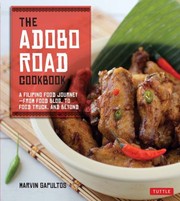
Focused squarely on approachable Filipino home cooking, this book walks beginners through foundational techniques and includes clear, reliable recipes for adobo in its many forms — the perfect first hands-on step.
Core Dishes: Sinigang, Lumpia, and Pancit
BeginnerMaster the three other pillars of the learner's goal — sour sinigang broths, crispy lumpia, and stir-fried pancit noodles — while building confidence with Filipino mise en place and flavor balancing.
▸ Study plan for this stage
Pace: 4–5 weeks, ~25–30 pages/day, with 2–3 cooking sessions per week
- Sinigang's sour foundation: tamarind, citrus, and souring agents as flavor anchors in Filipino broths
- Lumpia construction: wrapper types, filling ratios, and the crispy-to-tender balance in frying technique
- Pancit as a stir-fry canvas: noodle selection, wok technique, and ingredient sequencing for even cooking
- Filipino mise en place: organizing aromatics (garlic, onion, ginger), proteins, and vegetables for efficient cooking
- Flavor balancing in Filipino cooking: the interplay of sour, salty, savory, and subtle sweetness across these three dishes
- Regional variations within sinigang, lumpia, and pancit as taught in Besa and Barretto's texts
- Ingredient sourcing and substitutions: working with authentic Filipino ingredients and practical alternatives
- What are the primary souring agents used in sinigang, and how do they differ in flavor profile and cooking time?
- Describe the relationship between lumpia wrapper thickness, filling moisture content, and frying temperature for achieving crispness
- How does the order of ingredient addition in pancit affect texture and flavor distribution?
- What does Filipino mise en place look like for these three dishes, and why is it essential before cooking begins?
- How do you balance the sour, salty, and savory elements in a sinigang broth, and what role does each play?
- What regional or family variations of sinigang, lumpia, or pancit are highlighted in Besa and Barretto, and what causes these differences?
- Make sinigang three times using different souring agents (tamarind, calamansi, vinegar) and document how each changes the broth's depth and finish
- Prepare lumpia wrappers from scratch (if available) or work with store-bought; fry batches at different temperatures (325°F, 350°F, 375°F) and compare crispness and color
- Cook pancit using two different noodle types (fresh vs. dried) and compare how each absorbs sauce and holds texture
- Set up a Filipino mise en place station for all three dishes side-by-side; time yourself and refine your prep workflow
- Blind-taste sinigang broths made by different methods and identify which souring agent(s) were used
- Host a tasting where you serve lumpia at different stages of cooling and have tasters identify the optimal crispness point
Next up: Mastering these three foundational dishes and their flavor-balancing principles equips you to tackle more complex Filipino preparations that layer multiple techniques—such as braised meat dishes, composed rice meals, and festive one-pot specialties—with confidence in both technique and palate.
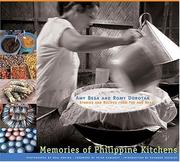
A beautifully researched cookbook that covers sinigang, lumpia, and pancit with historical storytelling alongside recipes, helping beginners understand not just how to cook each dish but what makes it distinctly Filipino.

A comprehensive, visually rich guidebook that catalogs classic Filipino recipes with clear instructions — ideal at this stage to reinforce and expand on the core dishes with authoritative, traditional versions.
Going Deeper: Regional Variation and Flavor Mastery
IntermediateExplore how adobo, sinigang, and other staples vary dramatically by region, develop an intuitive sense for balancing sour, salty, and savory (the Filipino flavor trinity), and expand the home cook's repertoire confidently.
▸ Study plan for this stage
Pace: 4–5 weeks, ~25–30 pages/day, with 2–3 cooking sessions per week
- Regional variation in Filipino staples: how adobo, sinigang, and other foundational dishes differ across Luzon, Visayas, and Mindanao
- The Filipino flavor trinity: understanding sour (vinegar, calamansi, tamarind), salty (patis, bagoong), and savory (umami from meat stocks and fermented ingredients) and how to balance them
- Ingredient sourcing and substitution: identifying authentic Filipino pantry staples and practical alternatives for home cooks
- Technique mastery: braising, stewing, and layering flavors to develop depth in regional dishes
- Cultural context: how geography, history, and available ingredients shaped each region's distinct cooking style
- Flavor intuition: developing the palate to taste-test and adjust seasoning confidently without relying solely on recipes
- How does adobo prepared in Ilocos differ from Tagalog adobo, and what ingredients or techniques account for these differences?
- Explain the Filipino flavor trinity and provide examples of how sour, salty, and savory elements interact in a dish like sinigang
- What are three key regional variations in sinigang, and how do local ingredients influence each version?
- How would you substitute hard-to-find Filipino ingredients (e.g., specific types of bagoong or regional vinegars) while maintaining authentic flavor?
- Describe the technique for building and balancing flavors in a braise or stew; how do you know when a dish needs more sour, salt, or savory depth?
- What role does fermentation and preserved ingredients play in Filipino regional cooking, and how do they contribute to the flavor profile of staple dishes?
- Cook adobo three times using three different regional recipes from the book (e.g., Ilocos, Tagalog, Visayan versions); document differences in ingredients, technique, and final flavor, then taste-compare side by side
- Prepare sinigang twice—once with the traditional souring agent recommended in the book and once with an alternative (e.g., tamarind vs. calamansi); evaluate how the change affects the overall dish
- Create a Filipino pantry inventory: source and taste at least 5 different types of bagoong, patis, or vinegars mentioned in the book; note flavor profiles and best uses
- Blind taste-test three regional variations of a staple dish (adobo, sinigang, or another) and identify which region each likely comes from, explaining your reasoning based on flavor balance
- Prepare a multi-course meal featuring 3–4 regional dishes from the book; practice adjusting seasoning on each dish in real time, documenting what you added and why
- Write flavor profiles for 5 dishes from the book, mapping where each falls on the sour-salty-savory spectrum and explaining how the balance creates the dish's character
Next up: This stage equips you with deep regional knowledge and flavor intuition that will enable the next stage to explore modern Filipino cooking—fusion techniques, ingredient innovation, and how contemporary chefs build on these foundational regional traditions.

An anthology of recipes from Filipino cooks around the world that showcases regional and diaspora variations, pushing the intermediate cook to see familiar dishes like adobo and pancit through a wider, more nuanced lens.
Discussion
Keep reading
Paths that share books, cover the same subject, or open a related topic.