Peruvian cooking for beginners: best books for ceviche and Andean flavors
This curriculum takes you from zero knowledge of Peruvian cuisine all the way to mastering its most iconic dishes and ingredients, building in a logical arc: first understanding the cultural and historical context, then tackling foundational techniques and key dishes like ceviche and lomo saltado, and finally diving deep into the bold world of aji peppers, Andean superfoods, and the avant-garde "Nueva Cocina Peruana" movement that made Peru a global culinary powerhouse.
Foundations: The Story & Soul of Peruvian Food
BeginnerUnderstand the cultural, historical, and geographic roots of Peruvian cuisine — its indigenous, Spanish, African, Chinese, and Japanese influences — so every recipe encountered later has meaningful context.
▸ Study plan for this stage
Pace: 4–5 weeks, ~40–50 pages/day, with 2–3 days per week dedicated to cultural research and reflection
- Indigenous Peruvian foundations: pre-Columbian ingredients (potatoes, corn, quinoa, chiles) and cooking methods that shaped the cuisine's DNA
- Spanish colonial influence: introduction of European techniques, ingredients, and the fusion of Old and New World foodways
- African diaspora contributions: flavor profiles, cooking styles, and dishes born from enslaved peoples' ingenuity and resilience
- Chinese and Japanese immigration waves: how Asian ingredients, techniques, and flavor philosophies transformed coastal and urban Peruvian food
- Geographic diversity: how Peru's distinct regions (coast, highlands, jungle) produce different ingredients and culinary traditions
- Acurio's philosophy: understanding the author's vision of Peruvian cuisine as a living synthesis of cultures rather than isolated traditions
- The role of markets and terroir: how Peruvian biodiversity and regional pride shape ingredient selection and seasonal cooking
- Modern Peruvian identity through food: how contemporary chefs honor tradition while innovating
- What are the five major cultural influences on Peruvian cuisine, and how did each one shape specific ingredients, techniques, or dishes?
- Why are potatoes, corn, and chiles considered foundational to Peruvian cooking, and what indigenous cooking methods are still used today?
- How did the Spanish conquest and colonial period transform Peruvian foodways, and what European ingredients became essential?
- What role did African enslaved peoples play in creating Peruvian cuisine, and which dishes or flavor profiles reflect this heritage?
- How did Chinese and Japanese immigration influence Peruvian food, particularly in coastal cities, and what dishes emerged from these encounters?
- How does Peru's geographic diversity (coast, highlands, jungle) create distinct regional cuisines, and what ingredients are unique to each region?
- What is Gastón Acurio's philosophy toward Peruvian cooking, and how does he present the relationship between tradition and innovation?
- Create a visual timeline mapping the five major cultural influences on Peruvian cuisine (indigenous, Spanish, African, Chinese, Japanese) with key dates, ingredients introduced, and representative dishes from each period
- Visit a Peruvian or Latin American market and identify 10–15 ingredients mentioned in the book; photograph them with notes on their origin (indigenous, imported, etc.) and which regional Peruvian cuisine uses them
- Prepare a simple indigenous Peruvian dish (e.g., causa limeña or a potato-based preparation) using Acurio's recipe, then research its pre-Columbian roots and document how it reflects indigenous ingredients and techniques
- Read the introductory essays and cultural sections of 'Peru: The Cookbook' and create a one-page summary for each major cultural influence, noting specific recipes that exemplify that influence
- Interview a Peruvian cook, chef, or food writer (in person, by phone, or via email) about how they understand Peruvian culinary identity; record or transcribe their perspective and compare it to Acurio's framing
- Taste a Peruvian dish from each region (coast, highlands, jungle) at a restaurant or by cooking from the book; document the flavors, ingredients, and how geography shaped each dish
Next up: With a deep understanding of Peruvian cuisine's multicultural roots and regional diversity, you'll be ready to move into the next stage—learning to execute specific recipes and techniques with historical and cultural awareness, transforming knowledge into culinary skill.

Written by Peru's most celebrated chef and culinary ambassador, this comprehensive volume introduces the full landscape of Peruvian cooking — from street food to fine dining — and is the single most important canonical reference in the field.
Core Techniques: Ceviche, Lomo Saltado & Everyday Peruvian
BeginnerLearn to cook the most iconic Peruvian dishes hands-on, mastering the techniques behind ceviche (acid-curing, leche de tigre), lomo saltado (stir-fry fusion), and the everyday building blocks of a Peruvian kitchen.
▸ Study plan for this stage
Pace: 4–5 weeks, ~40–50 pages/day with 2–3 cooking sessions per week
- Acid-curing fundamentals: how citrus juice denatures fish protein to create the texture and flavor of authentic ceviche
- Leche de tigre composition and preparation: the role of fish stock, aromatics, and acid balance in creating this essential Peruvian condiment
- Lomo saltado as a fusion technique: combining Peruvian beef with Chinese stir-fry methods, timing, and heat management
- Essential Peruvian pantry staples: ají amarillo, ají rojo, cumin, cilantro, and their flavor profiles in everyday cooking
- Fish selection and quality assessment for ceviche: understanding freshness indicators and regional Peruvian varieties
- Flavor layering in Peruvian cuisine: how to build depth through acid, heat, aromatics, and umami elements
- Mise en place and knife skills specific to Peruvian cooking: precise cuts for ceviche, julienne for lomo saltado
- Temperature and timing control in stir-fry: achieving the wok-toss technique and proper doneness for lomo saltado
- What is the chemical process behind acid-curing fish in ceviche, and how does citrus juice denature protein?
- What are the key ingredients in leche de tigre, and how do you balance acid, stock, and aromatics to achieve the correct flavor profile?
- How does lomo saltado reflect the fusion of Peruvian and Chinese culinary traditions, and what are the critical timing steps?
- How do you select and assess fish quality for ceviche, and what are the regional Peruvian fish varieties used?
- What are the five essential Peruvian pantry staples, and how do their flavor profiles differ in everyday dishes?
- How do you execute a proper wok toss or high-heat stir-fry technique for lomo saltado without overcooking the beef?
- Make ceviche three times using different fish varieties (e.g., sea bass, flounder, snapper) and document how texture and flavor vary with fish type and citrus ratio
- Prepare leche de tigre from scratch twice, adjusting acid-to-stock ratios and recording how each variation affects the final ceviche flavor
- Cook lomo saltado twice, focusing on beef doneness and wok technique—time each step and evaluate heat control and texture
- Create a Peruvian pantry inventory: source and taste ají amarillo, ají rojo, fresh cilantro, and cumin; note flavor profiles and applications
- Prepare a complete Peruvian meal featuring ceviche as an appetizer and lomo saltado as the main course, practicing plating and timing
- Practice knife skills: julienne 2 lbs of beef and finely dice aromatics for lomo saltado, aiming for consistency and speed
Next up: Mastering these foundational techniques—acid-curing, leche de tigre balance, and high-heat stir-fry—equips you to explore regional Peruvian variations and more complex dishes that build on these core methods.

Morales, founder of London's acclaimed Ceviche restaurant, focuses specifically on the dishes most learners want first — ceviche, tiradito, and classic Peruvian comfort food — with clear, approachable recipes that build real technique.
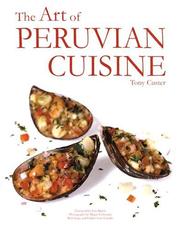
A beautifully documented, recipe-forward book that bridges home cooking and professional technique, reinforcing the foundational dishes from the previous stage with greater depth and precision.
The Pepper & Pantry: Aji, Andean Ingredients & Flavor Building
IntermediateDevelop a deep, ingredient-level understanding of aji amarillo, aji panca, rocoto, and the broader Andean pantry — quinoa, purple corn, lucuma, huacatay — so you can build authentic Peruvian flavor from the ground up.
▸ Study plan for this stage
Pace: 4–5 weeks, ~25–30 pages/day, with 2–3 days per week dedicated to ingredient sourcing, tasting, and kitchen practice
- Botanical classification and flavor profiles of Peruvian aji varieties (amarillo, panca, rocoto) and how heat, fruitiness, and earthiness differ between them
- Historical and geographical origins of Andean peppers and how pre-Columbian cultivation shaped modern Peruvian cuisine
- The role of aji as a foundational building block in Peruvian cooking, distinct from Mexican or other American pepper traditions
- Complementary Andean pantry staples (quinoa, purple corn, lucuma, huacatay) and their flavor interactions with aji
- Sensory evaluation techniques: how to taste, identify, and distinguish pepper characteristics (heat level, fruity notes, smoky undertones)
- Preservation and preparation methods (drying, paste-making, roasting) that unlock different flavor dimensions in peppers
- The relationship between ingredient quality, terroir, and authentic flavor in Peruvian cooking
- What are the key flavor differences between aji amarillo, aji panca, and rocoto, and when would you use each in a dish?
- How did pre-Columbian agriculture and geography shape the development of Peruvian pepper varieties, according to Presilla?
- What is the difference between fresh and dried aji, and how does the drying process change the flavor profile?
- How do complementary Andean ingredients like huacatay, purple corn, and quinoa work with aji to build authentic Peruvian flavor?
- What sensory markers should you look for when evaluating the quality and ripeness of fresh aji peppers?
- How does Presilla distinguish Peruvian pepper traditions from other American pepper cuisines (Mexican, Caribbean, etc.)?
- Source and taste three fresh aji varieties (amarillo, panca, rocoto if available) side-by-side, documenting heat level, fruity/floral notes, earthiness, and color intensity in a tasting journal
- Make aji amarillo paste and aji panca paste from scratch using fresh or dried peppers; compare flavor, texture, and shelf stability
- Prepare a simple dish (like causa limeña or a ceviche sauce base) using your homemade aji paste to understand how it functions as a building block
- Visit a Latin American or specialty grocery store and identify available Peruvian pepper products; compare labels, origins, and ingredient lists
- Create a flavor matrix: map out how aji varieties pair with huacatay, purple corn, lucuma, and quinoa in 2–3 test recipes
- Conduct a blind tasting of 2–3 commercial aji products vs. your homemade versions; evaluate quality, authenticity, and flavor depth
Next up: This stage anchors your understanding of Peruvian flavor at the ingredient level, giving you the sensory knowledge and pantry foundation needed to move into the next stage, where you'll apply these building blocks to master classic Peruvian dishes and regional cooking techniques.

The definitive English-language reference on New World chiles, including every major Peruvian aji variety — their flavor profiles, heat levels, and culinary uses — giving you the ingredient literacy no Peruvian cookbook alone provides.
Advanced Mastery: Nueva Cocina Peruana & Global Influence
ExpertUnderstand how Peru's top chefs synthesize indigenous Andean traditions with Nikkei (Japanese-Peruvian) and Chifa (Chinese-Peruvian) influences into world-class cuisine, and apply those ideas to create bold, original dishes.
▸ Study plan for this stage
Pace: 6–8 weeks, ~25–30 pages/day, with 2–3 days per week dedicated to hands-on cooking practice and reflection
- The historical and cultural foundations of Nikkei cuisine: how Japanese immigrants to Peru adapted their culinary traditions using local Peruvian ingredients and techniques
- Umami and Japanese flavor principles (dashi, fermentation, balance) as applied to Peruvian ingredients like ají peppers, native potatoes, and fresh seafood
- Virgilio Martínez's philosophy of terroir and altitude: how Central's cuisine maps Peru's geographical and ecological diversity onto the plate
- Ingredient sourcing and sustainability: understanding Peru's biodiversity (Andean grains, tubers, native fish) and how top chefs prioritize these in their menus
- Technique synthesis: how to layer indigenous Andean cooking methods (earth ovens, fermentation, drying) with Japanese precision and presentation
- The role of memory, storytelling, and cultural identity in modern Peruvian cuisine: moving beyond fusion toward genuine cultural dialogue
- Menu architecture and progression: how Central structures dishes to tell a narrative journey through Peru's landscapes and traditions
- How did Japanese immigrants to Peru adapt their culinary traditions, and what specific Peruvian ingredients became central to Nikkei cuisine?
- Explain the concept of umami in Japanese cooking and identify three ways it manifests in Nikkei dishes using Peruvian ingredients.
- What is Virgilio Martínez's 'altitude' concept, and how does it inform the structure and philosophy of Central's cuisine?
- Describe three indigenous Andean cooking techniques or ingredients that appear in modern Peruvian fine dining, and explain how they are elevated or recontextualized.
- How do Nikkei and Central's approaches differ in their relationship to tradition and innovation? What does each chef prioritize?
- Design a three-course progression that synthesizes Andean, Japanese, and Peruvian coastal influences—explain your ingredient and technique choices.
- Read 'Nikkei Cuisine' (Weeks 1–3): Create a detailed chart mapping 5–6 Japanese ingredients to their Peruvian equivalents used in Nikkei dishes; note flavor profiles and cooking applications.
- Prepare one complete Nikkei dish from 'Nikkei Cuisine': focus on umami balance and the interplay between Japanese technique and Peruvian ingredients; document your process and taste observations.
- Read 'Central' (Weeks 4–6): Map Central's menu structure by altitude/geography; annotate which dishes represent which regions of Peru and what story each course tells.
- Conduct a blind tasting comparison: prepare a traditional Peruvian dish and a Nikkei interpretation of similar ingredients side-by-side; analyze how technique and philosophy shift the flavor and presentation.
- Design your own 5-course tasting menu inspired by both books: write a detailed concept statement explaining how you synthesize Andean tradition, Japanese precision, and Peruvian identity; include ingredient sourcing notes.
- Interview or research a Peruvian chef working in fusion or modern cuisine; ask how they balance cultural authenticity with innovation, and compare their answers to Martínez's and Hara's philosophies documented in the texts.
Next up: This stage equips you with deep knowledge of how Peru's culinary identity is constructed through cultural synthesis and terroir-driven innovation, preparing you to explore how these principles extend to other global cuisines and how to develop your own distinctive culinary voice.

Explores the Japanese-Peruvian culinary fusion that produced dishes like tiradito and Nikkei ceviche — a crucial lens for understanding why Peruvian cuisine is considered one of the world's most exciting and complex.

Written by the chef behind Central — repeatedly ranked among the world's best restaurants — this book reveals how altitude, biodiversity, and Andean ecosystems are translated into avant-garde cuisine, representing the pinnacle of where Peruvian cooking is heading.
Discussion
Keep reading
Paths that share books, cover the same subject, or open a related topic.