Best books on sleep apnea, snoring, and CPAP therapy
This curriculum takes a beginner from "what is sleep apnea?" all the way to mastering CPAP therapy, lifestyle interventions, and advanced breathing science. Each stage builds on the last — starting with accessible patient-education books, moving through practical treatment guides, and finishing with deeper science on breathing and sleep optimization. Books are chosen to complement, not replace, a physician's care.
Foundations: Understanding Sleep & Apnea
BeginnerUnderstand what sleep apnea and snoring are, why they matter for health, and how the sleep system works — building the vocabulary needed for everything that follows.
▸ Study plan for this stage
Pace: 4–5 weeks, ~25–30 pages/day. Start with "Why We Sleep" (approximately 2.5–3 weeks), then move to "The Promise of Sleep" (approximately 1.5–2 weeks). This pacing allows time for reflection and note-taking without overwhelming the reader.
- The architecture of sleep: NREM stages (N1, N2, N3) and REM sleep, and why each stage matters for physical and cognitive restoration
- The circadian rhythm and homeostatic sleep pressure: how your body's internal clock and sleep debt regulate when and how much you sleep
- What sleep apnea is: definition, the difference between obstructive and central apnea, and how it disrupts normal sleep architecture
- Why snoring occurs and its relationship to airway collapse, breathing interruptions, and sleep apnea severity
- The health consequences of untreated sleep apnea: cardiovascular strain, cognitive impairment, metabolic dysfunction, and mortality risk
- How sleep deprivation and fragmentation (from apnea events) damage immune function, memory consolidation, and emotional regulation
- The diagnostic landscape: how sleep apnea is identified (sleep studies, AHI scoring) and why early detection matters
- The foundational vocabulary and concepts needed to understand treatment options and lifestyle modifications in later stages
- Describe the four stages of sleep (N1, N2, N3, and REM) and explain what restorative functions occur during each stage.
- What is the difference between circadian rhythm and homeostatic sleep pressure, and how do they work together to regulate your sleep-wake cycle?
- Define obstructive sleep apnea (OSA) and central sleep apnea (CSA). What happens physiologically during an apnea event, and why does it fragment sleep?
- Explain the relationship between snoring and sleep apnea. Is snoring always a sign of apnea, and what causes the snoring sound?
- What are the major health risks associated with untreated sleep apnea, and how does chronic sleep fragmentation contribute to these risks?
- How is sleep apnea diagnosed, and what does the Apnea-Hypopnea Index (AHI) measure?
- Sleep diary: Track your own sleep for 1–2 weeks, noting bedtime, wake time, perceived sleep quality, daytime sleepiness, and any snoring or witnessed breathing pauses. Use this as a personal baseline and reference point.
- Create a visual sleep architecture chart: Draw or diagram the typical 90-minute sleep cycle, labeling NREM stages and REM sleep, and annotate the key restorative functions of each stage.
- Circadian rhythm mapping: Track your energy levels, alertness, and body temperature throughout a 24-hour period to observe your personal circadian rhythm in action.
- Apnea event simulation: Watch a short video or animation of an obstructive apnea event (airway collapse, oxygen drop, arousal) and write a 1-page explanation of what happens physiologically during this sequence.
- Vocabulary flashcards: Create 15–20 flashcards covering key terms (e.g., AHI, hypopnea, arousal, REM rebound, sleep debt, circadian phase) with definitions and examples from the books.
- Case study analysis: Read a brief clinical case of a patient with sleep apnea (provided in 'The Promise of Sleep' or online resources) and identify the symptoms, health risks, and diagnostic clues that point to apnea.
Next up: By mastering the physiology of normal sleep and the mechanisms of sleep apnea, you now have the conceptual foundation to evaluate specific treatment strategies—from behavioral modifications and positional therapy to medical devices and surgical interventions—in the next stage.
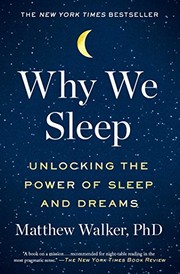
The ideal starting point: a highly readable, science-backed overview of sleep biology that explains why disrupted sleep (from apnea or snoring) has such serious consequences. Gives you the 'why it matters' motivation before diving into solutions.
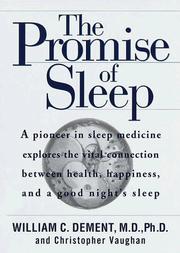
Written by the father of sleep medicine, this accessible classic introduces sleep disorders — including apnea — in plain language. Reading it second anchors the clinical picture after Walker's biological foundation.
Diagnosis & the Patient Journey
BeginnerLearn how sleep apnea is diagnosed, what a sleep study involves, and what patients typically experience — so you can engage confidently with your medical team.
▸ Study plan for this stage
Pace: 4–5 weeks, ~25–30 pages/day. Start with Johnson's "Sleep apnea, the phantom of the night" (weeks 1–2), then move to Pascualy's "Snoring and Sleep Apnea" (weeks 3–5) to deepen diagnostic knowledge and patient experience.
- How sleep apnea is diagnosed: polysomnography (PSG) and home sleep apnea tests (HSAT)
- What happens during a sleep study: electrode placement, monitoring equipment, and the overnight experience
- The difference between obstructive sleep apnea (OSA), central sleep apnea (CSA), and mixed apnea
- The Apnea-Hypopnea Index (AHI) and how severity is classified (mild, moderate, severe)
- Common symptoms and warning signs that lead patients to seek diagnosis
- The emotional and psychological journey of diagnosis: anxiety, relief, and adjustment
- How sleep study results are interpreted and communicated to patients
- The role of medical team members (sleep specialists, technologists, physicians) in the diagnostic process
- What is the difference between obstructive and central sleep apnea, and how does each type affect the body during sleep?
- What equipment and measurements are used during a polysomnography test, and why is each component important?
- How is the Apnea-Hypopnea Index (AHI) calculated, and what do different AHI scores tell you about sleep apnea severity?
- What should a patient expect to experience during an overnight sleep study, and how can they prepare mentally and physically?
- What are the key warning signs and symptoms that typically prompt someone to seek a sleep apnea diagnosis?
- How do sleep specialists interpret sleep study results, and what information do they communicate to patients about their diagnosis?
- Annotate Johnson's descriptions of the sleep study experience: highlight the emotional milestones and technical details separately to distinguish patient perspective from clinical facts
- Create a diagnostic flowchart showing how a patient moves from initial symptoms → sleep study → results interpretation → diagnosis classification (mild/moderate/severe)
- Write a one-page 'patient journey narrative' from the perspective of someone going through diagnosis, incorporating details from both books about what they see, hear, and feel
- Develop a glossary of 15–20 diagnostic terms (AHI, apnea, hypopnea, polysomnography, electrode, etc.) with definitions in your own words and one example from each book
- Role-play a conversation with your sleep specialist: write out 5–7 questions you would ask after receiving your sleep study results, based on diagnostic concepts from both books
- Compare and contrast how Johnson and Pascualy each explain the diagnostic process—note which book emphasizes patient experience vs. clinical detail, and why both perspectives matter
Next up: Understanding how sleep apnea is diagnosed and what the patient experience entails prepares you to explore treatment options and management strategies in the next stage, where you'll learn what to do with your diagnosis.
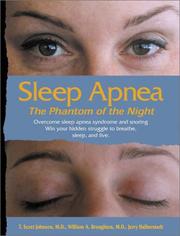
One of the most widely recommended patient-education books on obstructive sleep apnea, written specifically for newly diagnosed patients. Covers symptoms, risk factors, and the diagnostic process in accessible terms.

A practical, physician-authored guide that bridges the gap between diagnosis and treatment options, including surgical and non-surgical paths. Read after Johnson to deepen your understanding of what comes next after a diagnosis.
CPAP Mastery & Practical Treatment
IntermediateUnderstand CPAP therapy in depth — how to choose equipment, troubleshoot common problems, and build long-term adherence — so you get the most out of your prescribed treatment.
▸ Study plan for this stage
Pace: 4–5 weeks, ~25–30 pages/day (approximately 150–170 pages total for the CPAP-focused sections)
- How CPAP therapy works physiologically and why it's effective for sleep apnea and snoring
- Mask selection criteria and how to find the right fit for comfort and compliance
- Pressure settings (IPAP/EPAP) and how to interpret your prescription and titration data
- Troubleshooting common CPAP problems: leaks, discomfort, dry mouth, claustrophobia, and noise
- Humidification and heated tubing strategies to improve tolerance and reduce side effects
- Ramp features and gradual pressure adjustment for better acclimatization
- Long-term adherence strategies and how to overcome the psychological barriers to nightly use
- The relationship between CPAP compliance and health outcomes (cardiovascular, cognitive, quality of life)
- What is the physiological mechanism by which CPAP prevents airway collapse and improves oxygen saturation?
- How do you determine which mask type (nasal, oronasal, nasal pillow) is best suited to your anatomy and sleep position?
- What are the key differences between fixed CPAP and auto-adjusting CPAP (APAP), and when is each appropriate?
- What are the most common reasons for CPAP non-adherence, and what practical solutions does Park recommend?
- How do humidification settings and heated tubing affect tolerance, and what adjustments should you make seasonally?
- What troubleshooting steps should you take if you experience mask leaks, pressure intolerance, or claustrophobia with CPAP?
- How does consistent CPAP use over weeks and months translate into measurable improvements in daytime function and health?
- Create a personal CPAP equipment checklist: list your mask type, pressure settings, humidification level, and ramp time; photograph your setup and review it monthly to track changes
- Keep a 2-week CPAP compliance log: record nightly usage hours, any problems encountered, and adjustments made; identify patterns in when you use it most consistently
- Conduct a mask fit trial: if possible, visit a CPAP supplier and try on 2–3 different mask styles; document comfort, seal quality, and claustrophobia triggers for each
- Write a personal troubleshooting guide: for each common problem (leaks, dry mouth, pressure discomfort), list 3–5 solutions from the book and rank them by feasibility for your situation
- Practice pressure ramp adjustment: spend one week using the ramp feature at different settings; record how each ramp duration affects your ability to fall asleep
- Interview or survey 2–3 people using CPAP long-term: ask them what adherence strategies worked for them and what didn't; compare their answers to Park's recommendations
- Create a 30-day CPAP adherence challenge: set a specific nightly usage goal (e.g., 6+ hours), track it daily, and identify one barrier to overcome each week
Next up: This stage equips you with the practical knowledge and troubleshooting skills to optimize your CPAP therapy and achieve consistent nightly use, preparing you to explore complementary lifestyle and positional strategies in the next stage that work synergistically with CPAP to maximize treatment outcomes.

An ENT surgeon's perspective on the anatomical and structural reasons people snore and develop apnea, and why CPAP alone isn't always the whole answer. Broadens your treatment thinking beyond the machine.
Breathing Re-Education & Lifestyle Interventions
IntermediateExplore evidence-based breathing techniques, myofunctional therapy, and lifestyle changes that reduce apnea severity and snoring — powerful complements to medical treatment.
▸ Study plan for this stage
Pace: 4–5 weeks, ~25–30 pages/day (alternating between both books to reinforce breathing concepts across different frameworks)
- Nasal breathing vs. mouth breathing: anatomical and physiological advantages for airway stability and oxygen utilization
- The CO₂ tolerance paradox: how increased CO₂ sensitivity (not oxygen deficiency) drives hyperventilation and sleep apnea severity
- Myofunctional therapy principles: tongue posture, swallowing patterns, and orofacial muscle tone as structural interventions for airway collapse
- Buteyko breathing method: slow, controlled breathing to normalize CO₂ levels and reduce apnea episodes
- Sleep position, sleep architecture, and environmental factors (humidity, temperature, allergens) that influence breathing stability during sleep
- The breath-body connection: how chronic dysfunctional breathing patterns (mouth breathing, overbreathing) perpetuate sleep-disordered breathing
- Integration of breathing re-education with medical treatment: complementary rather than replacement approaches
- Why is nasal breathing superior to mouth breathing for sleep apnea sufferers, and what anatomical/physiological mechanisms does Nestor describe?
- What is the CO₂ tolerance paradox, and how does McKeown explain its role in triggering apnea events?
- How do myofunctional therapy and tongue posture directly influence airway patency during sleep?
- What are the core principles of the Buteyko breathing method, and how might it reduce apnea severity according to McKeown?
- How do lifestyle factors (sleep position, humidity, allergen exposure) interact with breathing dysfunction to worsen sleep apnea?
- How should breathing re-education be integrated with medical treatments like CPAP or oral appliances?
- Practice nasal breathing during waking hours (sitting, walking, light activity) for 10–15 minutes daily; track ease and any resistance; note changes in alertness or sinus clarity over 1–2 weeks
- Perform the Buteyko control pause test (hold breath after normal exhalation) at baseline and weekly; record results to monitor CO₂ tolerance improvement
- Conduct a 7-day sleep position audit: log sleeping position, snoring intensity (self-report or partner feedback), and morning alertness; experiment with positional therapy (side-sleeping pillow or positional device)
- Practice slow nasal breathing exercises (4-count inhale, 6-count exhale) for 5 minutes, 2–3 times daily; observe effects on heart rate, anxiety, and daytime alertness
- Perform tongue posture awareness exercises: maintain proper tongue-to-palate contact during waking hours; practice swallowing mechanics (Nestor's techniques); assess changes in mouth breathing frequency
- Optimize sleep environment: measure and adjust humidity (45–55%), temperature (65–68°F), and allergen exposure; track snoring and apnea severity changes over 2 weeks
Next up: This stage equips you with evidence-based, non-invasive tools to stabilize your airway and reduce apnea severity through breathing mechanics and lifestyle habits; the next stage will deepen your understanding of advanced medical interventions (CPAP optimization, oral appliances, surgical options) and how to integrate them seamlessly with these breathing and lifestyle foundations.

A compelling, well-researched investigation into how modern humans breathe incorrectly and how nasal breathing, mouth taping, and other techniques can dramatically reduce snoring and mild apnea. A natural next step after understanding CPAP's limits.

McKeown, a leading Buteyko breathing instructor, provides structured exercises to improve breathing efficiency during sleep. Read after Nestor to move from concepts to a concrete daily practice.
Advanced: Sleep Optimization & Long-Term Health
ExpertSynthesize everything into a long-term sleep health strategy, understanding the interplay of circadian biology, airway anatomy, and whole-body wellness for sustained relief.
▸ Study plan for this stage
Pace: 6–8 weeks, ~25–30 pages/day, with 2–3 reflection days per week
- Sleep architecture and the role of sleep stages in physical recovery and cognitive consolidation
- Circadian rhythm regulation: how light exposure, temperature, and behavioral timing optimize sleep quality
- Airway anatomy and orofacial development as foundational factors in sleep-disordered breathing
- The relationship between jaw position, tongue posture, and airway patency during sleep
- Myofunctional therapy and oral appliances as non-surgical interventions for airway obstruction
- Systemic health integration: how sleep quality affects metabolic, immune, and cardiovascular function
- Personalized sleep optimization strategies based on individual chronotype and anatomical factors
- Long-term behavioral and lifestyle modifications for sustained sleep apnea and snoring relief
- How do the different stages of sleep (NREM and REM) contribute to physical restoration and memory consolidation, and why is sleep fragmentation in apnea so damaging?
- What are the primary circadian mechanisms that regulate sleep-wake timing, and how can you manipulate light, temperature, and schedule to optimize your personal sleep window?
- How does orofacial development and jaw anatomy directly influence airway size and collapse risk during sleep?
- What is the relationship between tongue posture, myofunctional patterns, and airway obstruction, and how can retraining address this?
- How do sleep quality and circadian alignment affect metabolic health, immune function, and cardiovascular risk—and why is this relevant to long-term apnea management?
- What is a realistic, personalized long-term strategy for managing your sleep apnea or snoring that integrates circadian optimization, anatomical awareness, and behavioral change?
- Map your personal sleep architecture: track your sleep for 2 weeks using a sleep diary or wearable, noting sleep onset, awakenings, and subjective quality; identify patterns in fragmentation or poor sleep stages
- Conduct a circadian audit: document your light exposure, meal timing, and activity patterns across a full week; identify misalignments with your natural chronotype and design a 4-week optimization protocol
- Perform a self-assessment of airway anatomy: use a mirror and smartphone camera to document your jaw position, tongue posture at rest, and palate structure; compare to descriptions in 'Jaws' and note anatomical risk factors
- Practice myofunctional exercises from Winter's recommendations: commit to 10–15 minutes daily of tongue posture retraining, nasal breathing drills, and jaw positioning exercises for 6 weeks; track changes in snoring or apnea symptoms
- Create a personalized sleep optimization protocol: synthesize circadian, anatomical, and behavioral insights into a written 12-week plan with specific targets (e.g., light exposure windows, sleep schedule, exercise timing, dietary changes)
- Conduct a systems-health audit: assess how your current sleep quality correlates with energy, mood, metabolic markers (weight, blood sugar), and cardiovascular indicators; project how optimized sleep would improve these outcomes
Next up: This stage equips you with an integrated, evidence-based framework for long-term sleep health that bridges clinical understanding and personal practice—positioning you to either implement sustained self-management strategies or engage more effectively with healthcare providers in the next stage of specialized treatment or monitoring.

A sleep neurologist's comprehensive guide to fixing sleep problems holistically — covering apnea, insomnia, and circadian rhythm together. Ideal as a capstone that ties all prior learning into one integrated framework.

An evolutionary and anthropological look at how modern jaw and airway development contributes to sleep apnea and snoring. Provides the deepest structural understanding of why these conditions are so prevalent, rounding out the curriculum.
Discussion
Keep reading
Paths that share books, cover the same subject, or open a related topic.