Open-water swimming is a different sport from pool swimming: no walls, no lane lines, real currents, and a mental game that pool laps never test. The reading order here honors that. You build efficient technique and open-water skills first, then train for distance, then absorb the mindset of the swimmers who have done the hardest crossings.
Get the technique before the mileage and you save yourself years of grinding inefficiently. Read the endurance and mindset books after, and the training has a purpose behind it.
Technique and open-water skills
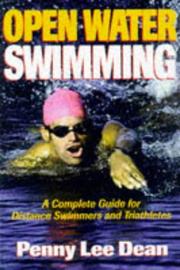
Start with Open water swimming by Penny Lee Dean, a practical foundation from an accomplished channel swimmer, and Triathlon swimming made easy by Terry Laughlin, whose total-immersion approach rebuilds efficient freestyle from the ground up. Add Swim speed secrets by Sheila Taormina for elite technique insights, and Open water swimming manual by Lynne Cox for the specific skills, safety, and know-how the open water demands.
Train for distance
Now build endurance and range. The Complete Guide to Open Water Swimming by David Barra covers training, navigation, and event preparation in depth, taking you from competent swimmer to distance-ready. This is the stage where structured mileage and open-water practice come together.
The mindset of marathon swimmers
Finish with inspiration and grit. Swimming to Antarctica by Lynne Cox and Achieving the Impossible by Lewis Gordon Pugh recount extraordinary cold-water and endurance swims that reveal the mental fortitude the sport demands, while Haunting the Deep by Adrienne Martini adds another dimension to the human relationship with deep water.
Open water carries real risks from cold, currents, and conditions, so these books complement, not replace, proper safety practice, acclimatization, and never swimming alone. Read the path in order, build technique before distance, and let the marathon-swimmer stories steel your mind for the harder days.
Follow the full reading path →
Ready to learn something deeply?
Build a reading path — free