Gymnastics is a sport where skipping steps gets you hurt. Every skill rests on prerequisites: mobility, then strength, then technique, then the training principles that turn practice into progress. A reading order that respects that sequence is far safer and faster than diving straight for the flashy moves.
The path below starts with the sport and its foundations, builds the flexibility and strength that make skills possible, then covers skills and drills, and ends with the science of training and long-term development.
Learn the sport and its foundations
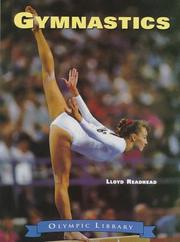
Start with Gymnastics by Lloyd Readhead for an accessible overview of the disciplines and basics, then The Young Gymnast by Lee Haney for a clear, beginner-friendly introduction to fundamental positions and movements. These give you the vocabulary and shape of the sport before you train hard.
Build mobility and strength
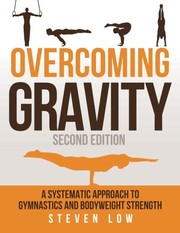
Now build the body. Stretching Scientifically by Thomas Kurz is a rigorous guide to the flexibility gymnastics demands, and Overcoming Gravity by Steven Low is the definitive bodyweight-strength manual that many self-coached gymnasts treat as their bible. Together they develop the mobility and strength every skill is built on.
Skills, drills, and training
Now move to technique. Gymnastics Skills and Drills by Jim Gault and Championship Gymnastics by Gerald S. George break skills into teachable progressions, and Coaching Youth Gymnastics by U. S. A. USA Gymnastics grounds you in safe, age-appropriate instruction if you are teaching others. Finish with the training science: The talent code by Daniel Coyle on how deep practice builds skill, and Periodization by Tudor O. Bompa on structuring training across time for real progress.
Gymnastics carries real injury risk, so these books complement, not replace, qualified coaching and proper spotting, especially for advanced skills. Read the path in order, build the mobility and strength base before chasing skills, and progress patiently through the drills.
Follow the full reading path →
Ready to learn something deeply?
Build a reading path — free