Best books to understand and manage rosacea
This curriculum takes a beginner with little to no dermatology background through a carefully sequenced path: first building foundational skin literacy, then diving into rosacea-specific triggers and management, and finally exploring the evidence-based science of skincare ingredients and inflammation. Each stage equips the reader with the vocabulary and conceptual framework needed to get the most out of the next, while always reinforcing that books complement — not replace — professional dermatological care.
Skin Literacy: Understanding Your Skin
BeginnerBuild a foundational understanding of how skin works, what disrupts it, and the basic language of dermatology — so that rosacea-specific content makes immediate sense.
▸ Study plan for this stage
Pace: 2–3 weeks, ~25–30 pages/day (approximately 150–180 pages total)
- The skin barrier: structure, function, and how it protects against external threats
- How conventional skincare disrupts the skin microbiome and barrier integrity
- The role of natural oils, pH balance, and skin's self-regulating mechanisms
- Common ingredients in commercial products and their effects on skin health
- The connection between internal health (diet, stress, hydration) and external skin appearance
- How to read product labels and identify potentially harmful or unnecessary ingredients
- The concept of 'skin cleansing' as restoration rather than stripping
- What is the skin barrier, and why is maintaining its integrity important for skin health?
- How do conventional cleansing practices damage the skin microbiome, and what are the consequences?
- What role do natural oils play in skin health, and why do many people have oily or reactive skin?
- What are common harmful ingredients in commercial skincare products, and what should you look for instead?
- How do factors like diet, stress, and hydration influence skin condition from the inside out?
- What does 'skin cleansing' mean according to Grigore's approach, and how does it differ from traditional cleansing?
- Audit your current skincare routine: list every product you use, identify the top 5 ingredients in each, and research whether they align with barrier-supporting principles from the book
- Perform a 2-week 'skin reset' by simplifying your routine to only water and one gentle cleanser, then journal daily observations about skin texture, redness, and sensitivity
- Create a personal skin profile: document your skin type, current concerns, triggers you've noticed, and hypothesize how barrier disruption might be contributing based on Grigore's framework
- Research and compare 3–5 'clean' or minimal skincare products against conventional alternatives, analyzing ingredient lists and noting which align with the book's philosophy
- Track your hydration, sleep, and stress for one week while observing skin changes; identify correlations between internal factors and external skin appearance
- Design a simplified skincare routine (cleanser, moisturizer, optional treatment) using principles from the book, with written rationale for each product choice
Next up: With a solid grasp of how skin fundamentally works and what disrupts it, you're now equipped to understand rosacea as a specific manifestation of barrier dysfunction and inflammation—allowing you to recognize how the principles of skin restoration apply directly to managing rosacea triggers and symptoms.

Introduces the concept of skin reactivity and the role of product ingredients in triggering sensitivity — a gentle, accessible bridge toward understanding why certain exposures cause flare-ups in reactive skin like rosacea.
Evidence-Based Skincare: Ingredients & Formulations
IntermediateDevelop the ability to critically evaluate skincare products and ingredients, identify what is safe and beneficial for rosacea-prone skin, and understand what the science actually supports.
▸ Study plan for this stage
Pace: 4–5 weeks, ~25–30 pages/day. Start with "The Little Book of Skin Care" (Week 1–2), then move to "The Beauty of Dirty Skin" (Week 3–5). Allow 2–3 days per book for review and integration.
- Ingredient chemistry: how active ingredients (niacinamide, azelaic acid, centella asiatica) work at the molecular level and why they matter for rosacea
- Formulation science: pH balance, stability, penetration, and delivery systems that determine whether a product actually works
- The microbiome's role in skin health: how bacteria, fungi, and the skin barrier interact, and why disrupting the microbiome worsens rosacea
- Barrier function and inflammation: understanding how compromised skin barriers trigger rosacea flares and how to repair them
- Minimalist vs. maximalist approaches: evaluating when simplicity is therapeutic versus when targeted actives are necessary
- Reading labels critically: distinguishing marketing claims from evidence-backed ingredients and recognizing harmful additives for sensitive skin
- The gut-skin axis: how internal health (diet, stress, dysbiosis) manifests as skin redness and rosacea
- Product testing and personal experimentation: designing your own n=1 trials to identify triggers and effective formulations
- What is the difference between a healthy skin microbiome and a dysbiotic one, and how does dysbiosis contribute to rosacea according to Bowe's framework?
- Explain how niacinamide and azelaic acid work differently at the cellular level to reduce rosacea symptoms, and why formulation matters as much as the ingredient itself.
- Why does Cho emphasize ingredient concentration and pH balance, and how do these factors affect whether a product will irritate or soothe rosacea-prone skin?
- What is the relationship between a compromised skin barrier and rosacea flares? How do the books recommend repairing barrier function?
- How would you evaluate a skincare product marketed for 'sensitive skin' using the critical frameworks from both books? What red flags would you look for?
- Describe the gut-skin axis as presented in 'The Beauty of Dirty Skin' and explain why topical skincare alone is insufficient for managing rosacea.
- Ingredient audit: Select 3–5 products you currently use (or products marketed for rosacea). Decode their ingredient lists using Cho's framework—identify actives, preservatives, and potential irritants. Cross-reference with Bowe's microbiome-friendly criteria.
- pH testing project: Using pH strips, test the pH of 5 different cleansers and toners. Document which fall in the optimal 4.5–5.5 range for rosacea-prone skin. Correlate with your skin's response over 1–2 weeks.
- Microbiome mapping: Keep a 2-week journal tracking your diet, stress levels, sleep, and skin condition (redness, sensitivity, texture). Identify patterns that suggest gut-skin or stress-skin connections per Bowe's model.
- Formulation comparison: Choose one active ingredient (e.g., niacinamide) and compare 3 different products containing it. Analyze concentration, pH, other ingredients, and delivery system. Predict efficacy based on formulation science, then test on a small area.
- Label literacy challenge: Collect 10 product labels (from skincare marketed for rosacea, sensitive skin, or general use). Identify marketing buzzwords vs. evidence-backed claims. Flag products with known irritants for rosacea (fragrance, essential oils, high-strength actives).
- Personal n=1 experiment: Design a 4-week controlled skincare trial. Introduce one new product or ingredient at a time, keeping a daily log of redness, sensitivity, and barrier health. Document what works and what triggers flares based on your microbiome and barrier state.
Next up: By mastering ingredient evaluation and formulation science, you'll be equipped to move beyond product selection into personalized treatment protocols—understanding not just *what* works, but *why* it works for your unique rosacea phenotype and how to adapt routines as your skin barrier and microbiome heal.
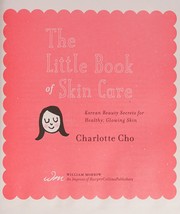
Introduces a methodical, gentle, layered approach to skincare routines — highly relevant for rosacea sufferers who need to simplify and patch-test carefully. Builds practical product-selection skills before moving to more technical texts.

A dermatologist's exploration of the gut-skin-brain axis and the microbiome's role in inflammatory skin conditions including rosacea. Placed here because it requires the ingredient and barrier knowledge built in earlier stages to be fully appreciated.
Deep Dive: Inflammation, the Microbiome & the Science of Skin
ExpertUnderstand the underlying biology of skin inflammation and the microbiome at a deeper level, enabling the reader to critically engage with emerging research and have more informed conversations with their dermatologist.
▸ Study plan for this stage
Pace: 4–5 weeks, ~25–30 pages/day. Start with "The Whole-Body Microbiome" (weeks 1–2.5), then transition to "Healthy Skin" (weeks 2.5–5) to build from systemic microbiome understanding to skin-specific application.
- The microbiome as a complex ecosystem: composition, diversity, and how dysbiosis develops in relation to skin conditions like rosacea
- Mechanisms of systemic inflammation: how gut dysbiosis and microbial imbalance trigger inflammatory cascades affecting skin
- The skin barrier function: structure, permeability, and how compromised barriers enable inflammatory responses and rosacea flares
- Microbial metabolites and signaling: short-chain fatty acids, lipopolysaccharides, and other bacterial products that modulate immune and inflammatory responses
- The gut-skin axis: bidirectional communication between intestinal and cutaneous microbiota and immunity
- Specific skin microbiota in rosacea: Demodex mites, Bacillus, and other organisms implicated in rosacea pathogenesis
- Evidence-based interventions: probiotics, prebiotics, dietary factors, and lifestyle modifications supported by current research
- Critical appraisal of emerging research: how to evaluate microbiome and inflammation studies and identify gaps in current knowledge
- How does dysbiosis in the gut microbiome contribute to systemic inflammation, and what is the mechanistic link to skin redness and rosacea?
- What are the key structural and functional components of a healthy skin barrier, and how does barrier dysfunction amplify inflammatory responses in rosacea?
- What role do specific microbial metabolites (e.g., short-chain fatty acids) play in regulating immune tolerance and reducing skin inflammation?
- How does the gut-skin axis work bidirectionally, and what evidence supports the idea that modifying the microbiome can improve rosacea symptoms?
- Which organisms are most implicated in rosacea pathogenesis, and what do current studies suggest about their role in triggering inflammation?
- How would you critically evaluate a new study claiming that a probiotic strain reduces rosacea flares, and what limitations might it have?
- Create a detailed diagram mapping the gut-skin axis: show how dysbiosis → intestinal inflammation → increased intestinal permeability → systemic LPS elevation → skin barrier dysfunction → rosacea flares. Annotate with specific mechanisms from both books.
- Compile a comparative table of healthy vs. dysbiotic microbiota in rosacea patients: list dominant organisms, metabolite profiles, and immune consequences for each state based on Finlay and Mackie's discussions.
- Design a hypothetical personalized intervention plan for a rosacea patient: integrate microbiome-modifying strategies (probiotics, prebiotics, diet) with skin barrier repair approaches, justifying each choice with evidence from the texts.
- Analyze 2–3 recent microbiome-rosacea research abstracts (from PubMed or dermatology journals): identify study design, sample size, outcomes, and limitations; assess whether findings align with or challenge concepts from Finlay and Mackie.
- Write a 1-page summary explaining the role of Demodex mites and bacterial dysbiosis in rosacea to a patient, translating complex microbiome concepts into accessible language while maintaining scientific accuracy.
- Create a 'research gaps' document: list 3–5 unanswered questions about the microbiome-rosacea connection that you'd want future studies to address, based on limitations you've identified in the current literature discussed in the books.
Next up: This stage equips you with the biological foundation to understand how microbiome and inflammation drive rosacea, preparing you to move into the next stage—whether that focuses on clinical management, treatment optimization, or translating this knowledge into actionable lifestyle and therapeutic strategies.

Provides rigorous, well-sourced coverage of how the microbiome influences systemic and skin inflammation — the biological underpinning of why rosacea is increasingly understood as an immune-dysregulation condition.

A clinically grounded reference by a leading dermatologist that covers the science of skin disease, treatment evidence, and the dermatologist's diagnostic framework — giving the reader the tools to be an active, informed participant in their own care.
Discussion
Keep reading
Paths that share books, cover the same subject, or open a related topic.