The Best Books to Learn Mycology, In Order
This curriculum takes a beginner from pure wonder and curiosity about fungi all the way through rigorous scientific understanding of mycology, ecology, and applied research. Each stage builds vocabulary, conceptual depth, and scientific literacy so that later, denser texts feel accessible rather than overwhelming.
First Encounters — Wonder & Orientation
BeginnerDevelop a vivid, intuitive sense of what fungi are, why they matter, and how they fit into the living world — building enthusiasm and basic vocabulary before any science.
▸ Study plan for this stage
Pace: 4–5 weeks, ~25–30 pages/day. Start with "Entangled Life" (2–3 weeks), then move to "Fantastic Fungi" (2 weeks). Allow time for reflection and exercises between books.
- Fungi as a distinct kingdom—neither plant nor animal, with their own evolutionary logic and survival strategies
- Mycelial networks as living communication and resource-sharing systems that connect organisms underground
- The wood wide web: how fungi facilitate nutrient exchange and information transfer between plants and trees
- Fungal intelligence and agency: how fungi sense, respond, and make decisions without a brain
- Fungi as decomposers and nutrient cyclers—essential architects of ecosystem health and soil fertility
- Practical applications of fungi: medicine, food, bioremediation, and human survival
- The sensory and emotional experience of encountering fungi in nature—building wonder and curiosity
- What makes fungi fundamentally different from plants and animals, and why does this distinction matter?
- How do mycelial networks function as a communication and nutrient-sharing system between organisms?
- What is the 'wood wide web' and what evidence suggests fungi facilitate it?
- How do fungi exhibit intelligence and decision-making without a centralized brain?
- What are the major roles fungi play in ecosystems, and what would happen without them?
- Name at least three practical applications of fungi in medicine, food, or environmental remediation that Stamets describes.
- Foraging walk: Spend 1–2 hours in a local forest, park, or garden identifying fungi in situ. Photograph or sketch 3–5 specimens and note their habitat, color, texture, and approximate size. Reflect on your emotional response to encountering them.
- Mycelium observation: If possible, obtain a mushroom growing kit or examine fresh mushrooms from a market. Gently separate the mushroom from its base and observe the mycelial threads (spawn) with a magnifying glass. Sketch what you see and consider how vast an underground network might be.
- Decomposition journal: Place organic matter (leaves, wood chips, food scraps) in a clear container and observe fungal colonization over 2–3 weeks. Document visible growth, color changes, and texture breakdown. Reflect on fungi's role as nature's recyclers.
- Concept map: Create a visual diagram connecting fungi to plants, animals, soil, trees, and humans. Use Sheldrake's and Stamets' ideas to show how fungi are central to ecosystem relationships.
- Sensory writing: After reading key passages, write a 1–2 page reflection describing what it feels like to imagine a mycelial network beneath your feet, or to consider fungi as intelligent agents. Use vivid, embodied language.
- Medicinal fungi research: Choose one fungus mentioned by Stamets (e.g., lion's mane, reishi, cordyceps) and research its traditional and modern uses. Create a one-page summary with sources.
Next up: This stage establishes fungi as living, intelligent, interconnected beings worthy of deep attention; the next stage will deepen this foundation by introducing the chemistry, cellular biology, and evolutionary history that explain *how* fungi achieve their remarkable feats.

The perfect entry point: beautifully written and scientifically grounded, it introduces mycelium, symbiosis, and fungal ecology in a way that requires zero prior knowledge. Reading it first ensures the learner falls in love with the subject.
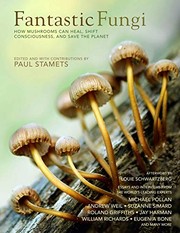
Pairs cultural and culinary context with accessible natural history, grounding abstract concepts in tangible, real-world mushrooms the learner can find and taste — reinforcing names and species early.
Foundations — Field Knowledge & Species Literacy
BeginnerLearn to identify common mushrooms, understand basic morphology and life cycles, and build the species vocabulary needed to read more technical texts with confidence.
▸ Study plan for this stage
Pace: 8–10 weeks, ~40–50 pages/day (mix of technical reference and narrative reading)
- Fungal morphology: cap, gills, stem, spore prints, and how these features vary across species
- Mushroom life cycle: mycelium, fruiting body formation, spore dispersal, and ecological roles
- Taxonomic classification and naming conventions (genus, species, common names) for confident species identification
- Regional species literacy: identifying 15–20 common edible and toxic mushrooms in your local area by sight and habitat
- Spore prints and microscopic identification: how to create and interpret them as a confirmation tool
- Ecological context: how mushrooms interact with trees, soil, and other organisms in their environment
- The relationship between scientific knowledge and human culture: how fungi shape ecosystems and human practices
- What are the main morphological features used to identify mushrooms, and how do you describe them accurately?
- Can you identify 15–20 common mushroom species in your region by sight, habitat, and spore print?
- What is the complete life cycle of a mushroom, from mycelium to spore dispersal?
- How do you create and interpret a spore print, and why is it a useful identification tool?
- What ecological roles do fungi play in forests and other ecosystems?
- How does human culture (trade, cuisine, medicine) depend on and shape fungal ecology?
- Create a personal field guide: sketch or photograph 15–20 local mushroom species with labeled morphological features (cap shape, gill attachment, stem characteristics, habitat)
- Collect and create spore prints from 10 different mushroom specimens, label them by species and date, and build a reference collection
- Practice dichotomous key identification: use Arora's keys to identify 5 unknown mushroom specimens from your region
- Conduct a forest walk inventory: document all visible mushrooms in a small area, noting habitat (tree type, soil condition, moisture), morphology, and ecological role
- Write species profiles: for 10 common mushrooms, document edibility status, lookalikes, habitat preferences, and seasonal timing
- Map a local mushroom ecology: identify a specific forest or park and track which mushroom species appear there across seasons (spring through fall)
Next up: This stage equips you with the observational skills, species vocabulary, and ecological awareness needed to engage with advanced mycology texts that explore fungal genetics, biochemistry, and complex ecosystem dynamics without getting lost in terminology.
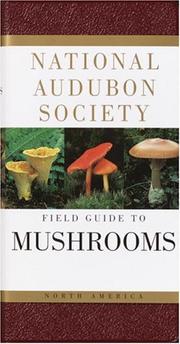
The canonical English-language field guide and reference — encyclopedic yet readable. Working through it systematically teaches morphological vocabulary (gills, spores, substrate) that all later scientific reading assumes.

Bridges field knowledge and deeper ecological thinking by following the matsutake mushroom through human and biological networks — ideal here to add ecological and economic context before moving into pure science.
Going Deeper — Ecology, Symbiosis & Mycelium Science
IntermediateUnderstand mycorrhizal networks, fungal ecology, decomposition, and the roles fungi play in ecosystems at a mechanistic level, using the species literacy built in Stage 2.
▸ Study plan for this stage
Pace: 8–10 weeks, ~25–30 pages/day. Start with "Wisdom from the Hidden Life of Trees" (4–5 weeks, ~20 pages/day), then transition to "Mycelium Running" (4–5 weeks, ~30 pages/day, denser technical content).
- Mycorrhizal networks: the symbiotic relationship between fungal mycelium and tree roots, and how nutrients and chemical signals are exchanged through the 'wood wide web'
- Fungal ecology and nutrient cycling: how fungi decompose dead matter and mobilize nutrients (carbon, nitrogen, phosphorus) for plant uptake in forest ecosystems
- Mycelium as a living network: the structure, growth patterns, and communication capabilities of mycelial threads as a distributed biological system
- Fungal roles in forest health: how mycorrhizal associations increase plant stress tolerance, disease resistance, and competitive advantage
- Decomposition mechanisms: enzymatic breakdown of lignin, cellulose, and other complex polymers by saprotrophic fungi
- Fungal cultivation and substrate colonization: practical principles of how mycelium spreads through and transforms organic matter
- Ecosystem services and resilience: how fungal networks stabilize soils, sequester carbon, and maintain forest productivity across disturbances
- Species-specific fungal strategies: understanding how different fungal taxa occupy ecological niches and interact with specific plant hosts
- What is the 'wood wide web' and how do mycorrhizal networks facilitate nutrient transfer and chemical communication between trees?
- Explain the difference between ectomycorrhizal and arbuscular mycorrhizal associations, and why this distinction matters for understanding forest ecology.
- How do saprotrophic fungi decompose complex organic polymers like lignin and cellulose, and what role does this play in nutrient cycling?
- What are the practical conditions (substrate, moisture, temperature, oxygen) required for mycelium to colonize and break down organic matter?
- How do mycorrhizal associations increase a plant's stress tolerance, disease resistance, and competitive fitness in a forest ecosystem?
- Describe the structure and growth dynamics of mycelial networks: how do they expand, branch, and form fruiting bodies?
- Create a detailed diagram of a mycorrhizal network showing tree roots, fungal hyphae, nutrient pathways, and chemical signals; label at least 5 key structures and processes.
- Conduct a home or garden decomposition experiment: layer organic matter (leaves, straw, cardboard, food scraps) in a bin or outdoor pile, inoculate with mushroom spawn or local fungi, monitor colonization over 4–6 weeks, and document mycelial growth patterns with photos.
- Research and write a 2–3 page case study on a specific mycorrhizal fungal species (e.g., Boletus edulis, Laccaria bicolor, Rhizopogon) — its host preferences, ecological role, and cultivation requirements based on Stamets' principles.
- Visit a forest or woodland and collect soil samples from the root zone of different tree species; observe and sketch mycelial networks under a hand lens or dissecting microscope; note substrate type and fungal morphology.
- Design a small-scale mycelium cultivation experiment using straw, hardwood sawdust, or coffee grounds as substrate; inoculate with oyster mushroom spawn; document colonization speed, environmental conditions, and fruiting success.
- Create a comparison table of 6–8 fungal species mentioned in both books, listing their ecological roles (mycorrhizal vs. saprotrophic), host associations, substrate preferences, and ecosystem services.
Next up: This stage builds the mechanistic understanding of fungal ecology and mycelium science needed to move into applied mycology—whether that's cultivation, bioremediation, or ecosystem restoration—where you'll learn to harness these ecological principles for practical outcomes.

Focuses on forest ecosystems and the mycorrhizal 'wood wide web' from a tree's perspective — a gentle bridge into intermediate ecological science that reinforces fungal network concepts in a familiar context.
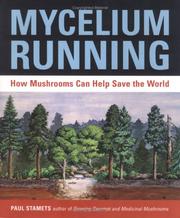
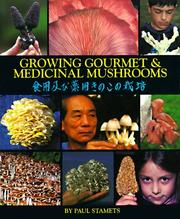
A practical, science-rich guide to fungal ecology, cultivation, and bioremediation. Stamets introduces intermediate concepts — substrate chemistry, spore biology, ecological guilds — with enough rigor to prepare the reader for academic texts.
Scientific Core — Formal Mycology
IntermediateGain a structured, textbook-level understanding of fungal biology: taxonomy, physiology, genetics, reproduction, and pathology — the backbone of professional mycological knowledge.
▸ Study plan for this stage
Pace: 8–10 weeks, ~40–50 pages/day (alternating focus: 3–4 weeks on Kavanagh, then 4–5 weeks on Kendrick, with 1 week for review and integration)
- Fungal cell structure and ultrastructure: cell wall composition (chitin, glucans), organelles, and how these differ from plants and animals
- Taxonomy and phylogenetic classification of fungi: the major phyla (Ascomycota, Basidiomycota, Zygomycota, Chytridiomycota, Glomeromycota) and their defining characteristics
- Fungal reproduction: both asexual (sporangiospores, conidia, budding) and sexual (meiosis, ascospores, basidiospores) life cycles and their ecological significance
- Physiology and metabolism: osmotrophy, enzyme secretion, nutrient acquisition, growth kinetics, and metabolic diversity (saprotrophy, parasitism, mutualism)
- Genetics and molecular biology: haploid-diploid cycles, mating types, heterokaryosis, and the role of mitochondrial DNA in fungal evolution
- Fungal pathology and host–pathogen interactions: mechanisms of pathogenesis, virulence factors, and the immune response to fungal infection
- Ecological roles and diversity: decomposition, nutrient cycling, mycorrhizal associations, and the evolutionary significance of fungi in terrestrial ecosystems
- Practical identification and morphological features: spore types, fruiting body structures, and how to distinguish fungi using microscopy and macroscopic observation
- What are the major structural differences between fungal cell walls and plant cell walls, and why is chitin significant to fungal taxonomy and function?
- Describe the life cycles of Ascomycota and Basidiomycota, including the roles of haploid and diploid stages, and explain why these cycles are ecologically important.
- How do fungi acquire and metabolize nutrients, and what does the term 'osmotrophy' mean in the context of fungal physiology?
- What are the main mechanisms by which pathogenic fungi cause disease, and how do host immune systems respond to fungal infection?
- Explain the concept of heterokaryosis and its evolutionary and practical significance in fungi.
- How do mycorrhizal associations benefit both fungi and their plant partners, and what role do they play in nutrient cycling?
- Create a comparative taxonomy chart mapping the five major fungal phyla with their key characteristics (cell wall type, reproductive structures, examples), using both Kavanagh and Kendrick as sources.
- Prepare microscope slides of common fungi (baker's yeast, bread mold, mushroom gills) and sketch the observed structures; label spore types, hyphae, and fruiting bodies.
- Work through Kavanagh's chapters on fungal physiology: calculate growth rates, osmotic potential, and enzyme kinetics using provided datasets or lab data.
- Diagram the complete life cycles of at least three fungi from different phyla (one Ascomycete, one Basidiomycete, one Zygomycete), showing meiosis, mitosis, and spore formation.
- Analyze a case study of a fungal pathogen (e.g., Candida albicans, Aspergillus fumigatus) using Kavanagh's pathology chapters: identify virulence factors, host responses, and clinical outcomes.
- Conduct a literature review comparing the evolutionary history and phylogenetic relationships presented in Kendrick with recent molecular data; write a 2–3 page synthesis.
Next up: This stage establishes the formal taxonomic, physiological, and genetic foundations necessary to understand applied mycology—whether in medicine, agriculture, biotechnology, or ecology—and prepares you to engage critically with specialized literature and research in your chosen mycological subdiscipline.

A university-level textbook that covers fungal cell biology, genetics, industrial uses, and medical mycology in a clear, chapter-by-chapter format — the most accessible formal textbook for self-study at this stage.
A classic, comprehensive mycology text covering all major fungal groups with excellent diagrams. Reading it after Kavanagh deepens taxonomic and evolutionary understanding and fills in gaps left by more applied texts.
Advanced Frontiers — Research, Pathology & Applied Mycology
ExpertEngage with cutting-edge research areas — fungal pathogens, ethnomycology, psychedelics, and biotechnology — and read mycology the way researchers and specialists do.
▸ Study plan for this stage
Pace: 8–10 weeks, ~40–50 pages/day (with 2–3 days per week for research synthesis and note-taking)
- Psilocybin biosynthesis, distribution across fungal species, and the evolutionary advantages of psychoactive compound production
- Taxonomy and identification of psilocybin-containing mushrooms across geographic regions and ecological niches
- Parasite-host coevolution and the mechanisms by which parasitic fungi manipulate host behavior and physiology
- Fungal pathogenicity: virulence factors, immune evasion strategies, and host-pathogen dynamics in parasitic relationships
- Ethnomycological practices and traditional knowledge systems surrounding psychoactive fungi across cultures
- Applied mycology: leveraging fungal biology for biotechnology, medicine, and ecological restoration
- Research methodologies in mycological studies: field collection, laboratory cultivation, chemical analysis, and behavioral observation
- What is the biochemical pathway for psilocybin synthesis, and why do you think multiple fungal lineages independently evolved this capability?
- How do parasitic fungi in Zimmer's examples alter host behavior, and what evolutionary pressures might drive such sophisticated manipulation strategies?
- Compare the ecological roles of psilocybin mushrooms versus parasitic fungi—how do their life histories and reproductive strategies differ?
- What are the key differences between ethnomycological knowledge and Western scientific approaches to studying fungi, and how can they be integrated?
- How might understanding fungal pathogenicity mechanisms inform the development of novel antibiotics or antifungal therapies?
- What research methods would you use to investigate a newly discovered psilocybin-containing species, and what data would you need to collect?
- Create a comparative taxonomy chart of psilocybin-containing mushrooms from Stamets' book, organizing by genus, geographic distribution, and potency—then research one species in depth using primary literature
- Map the biochemical pathway of psilocybin synthesis from tryptophan precursor to final compound; annotate with enzyme names and cofactors from Stamets' discussions
- Select three parasite-host examples from Zimmer's book and diagram the manipulation mechanisms (behavioral, physiological, chemical) the parasite employs
- Conduct a literature review on one fungal pathogen mentioned in either book; write a 2–3 page synthesis comparing its virulence strategy to examples in Zimmer
- Interview or survey 3–5 people about their cultural or ethnomycological knowledge of fungi (if applicable to your region); document findings and connect to Stamets' ethnomycology sections
- Design a hypothetical research project investigating either psilocybin distribution in a specific ecosystem or a parasite-host interaction; include methods, controls, and expected outcomes
Next up: This stage equips you with deep knowledge of fungal diversity, pathogenicity, and applied potential—preparing you to critically evaluate emerging mycological research, contribute to specialized discussions in mycology communities, and potentially design or evaluate your own research in fungal biology, medicine, or ethnobotany.
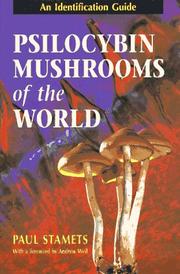
A rigorous species-level treatment of psilocybin fungi that also introduces pharmacology and ethnobotanical research — a focused advanced case study in applied and chemical mycology.
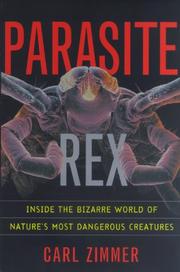
While broader than fungi, it covers fungal parasites (including Ophiocordyceps) in scientific depth, training the reader to think about host-pathogen dynamics and evolutionary biology at a research level — the ideal capstone for understanding fungi as agents of ecological and evolutionary change.
Discussion
Keep reading
Paths that share books, cover the same subject, or open a related topic.