How to learn Biology
This curriculum takes a complete beginner from the wonder of life's basic principles all the way to a rigorous, university-level mastery of biology. Each stage builds conceptual vocabulary and intuition that the next stage demands — starting with narrative science writing, moving through core textbook knowledge, then into the molecular and evolutionary machinery that underlies all of life, and finally into cutting-edge synthesis and systems thinking.
Foundations — The Big Picture of Life
BeginnerDevelop a sense of wonder and a mental map of what biology is: cells, evolution, genetics, and ecosystems — told through compelling stories before any heavy terminology.
▸ Study plan for this stage
Pace: 10–12 weeks total (~20–25 pages/day, 5 days/week): Weeks 1–3 for "The Biology of Belief" (~300 pp), Weeks 4–7 for "The Selfish Gene" (~360 pp), Weeks 8–12 for "The Immortal Life of Henrietta Lacks" (~380 pp). Reserve one day per week for reflection and note review.
- Cells as the fundamental unit of life — Lipton's argument that the cell membrane, not the nucleus, acts as the cell's 'brain', introducing the idea that environment signals drive cellular behavior
- Mind-body and environment-gene interaction — Lipton's concept of epigenetics as a bridge between belief/perception and biological response, challenging the idea that DNA is a fixed destiny
- The gene-centered view of evolution — Dawkins' reframing of natural selection as operating on genes rather than individuals or species, with organisms as 'survival machines' built by genes
- Altruism, cooperation, and the 'selfish' metaphor — how apparently selfless behaviors (kin selection, reciprocal altruism) can be explained by gene-level self-interest without implying conscious selfishness
- Memes as cultural replicators — Dawkins' extension of replication logic beyond biology, showing that the same evolutionary principles can apply to ideas and culture
- Cells can become immortal — the HeLa cell line as a real-world demonstration of uncontrolled cell replication (cancer), grounding abstract cell biology in a human story
- Ethics, race, and consent in science — Skloot's account of Henrietta Lacks raising foundational questions about who owns biological material and how science intersects with social justice
- Biology as an interconnected narrative — across all three books, the theme that life at every scale (molecule → cell → organism → culture) follows consistent principles of replication, adaptation, and environment-response
- According to Lipton in 'The Biology of Belief', why does he argue the cell membrane is more important than the nucleus, and what does this imply about the relationship between environment and genetic expression?
- How does Dawkins define a 'gene' in 'The Selfish Gene', and why does shifting the unit of selection from the organism to the gene change how we interpret behaviors like parental sacrifice or cooperation?
- What is a 'meme' as introduced by Dawkins, and in what ways does it mirror the biological concept of a replicator?
- How did Henrietta Lacks' HeLa cells transform modern biological and medical research, and what does their story reveal about the gap between scientific progress and ethical practice?
- Across all three books, how is the concept of 'environment' shown to influence biology — from Lipton's cell signals, to Dawkins' evolutionary pressures, to the social environment that shaped Henrietta Lacks' experience with medicine?
- What is epigenetics as introduced by Lipton, and how does it complicate the simpler 'DNA = destiny' narrative that a beginner might assume?
- Cell membrane sketch: After reading Lipton, draw a simple diagram of a cell labeling the membrane, nucleus, and receptors. Annotate it with one sentence explaining what each part 'does' in Lipton's framework — no textbook needed, just your own words from the reading.
- Gene's-eye-view rewrite: Pick any animal behavior you know (e.g., a mother bird protecting her nest) and write a 3–4 sentence explanation of it first from the organism's perspective, then rewrite it from the gene's perspective as Dawkins would. Notice what changes.
- Meme hunting journal: For one week while reading 'The Selfish Gene', log 3 'memes' you encounter daily (a slogan, a fashion trend, a phrase). For each, ask: How did it replicate? Did it mutate? Is it 'fit'? Record in a notebook.
- HeLa timeline: After finishing 'The Immortal Life of Henrietta Lacks', build a two-column timeline — one column for key events in cell biology/medicine enabled by HeLa cells, the other for key events in the Lacks family's life. Reflect in 1 paragraph on what the juxtaposition reveals.
- Big-picture concept map: At the end of the stage, create a hand-drawn concept map connecting at least 8 terms across all three books (e.g., cell membrane → epigenetics → environment → natural selection → replicator → HeLa → consent → gene). Draw arrows and label each connection with a verb ('influences', 'challenges', 'illustrates').
- Discussion or journal prompt — 'Who owns life?': Write or discuss for 15 minutes: Based on all three books, do you think a person's cells, genes, or biological material belong to them? Use at least one specific example from each book to support your answer.
Next up: By grounding cells, genes, evolution, and ethics in vivid human and scientific stories, this stage builds the intuitive mental models and curiosity that will make the formal terminology and mechanisms of the next stage feel like explanations for things you already sense to be true.
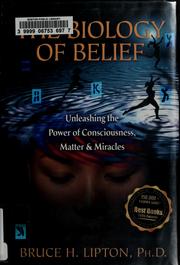
A highly accessible entry point that explains how cells work and respond to their environment, giving beginners an intuitive feel for cellular life before formal study.
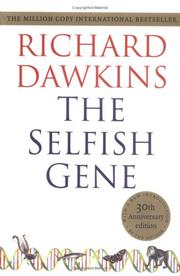
Introduces evolution and genetics through a vivid, gene-centered narrative — builds the core evolutionary intuition that underpins all of modern biology.
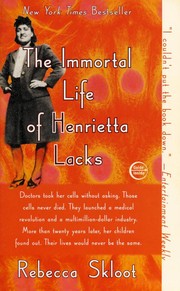
Uses the true story of HeLa cells to make cell biology, medical research, and ethics tangible and human — perfect for cementing beginner curiosity before textbook work.
Core Knowledge — The Standard Curriculum
BeginnerAcquire systematic, textbook-level knowledge of all major biological domains: cell biology, genetics, evolution, physiology, and ecology.
▸ Study plan for this stage
Pace: 16–20 weeks total. **Campbell Biology** (Urry): ~14 weeks at ~40–50 pages/day, 5 days/week — work through all 8 units in order (Chemistry of Life → Cell Biology → Genetics → Mechanisms of Evolution → Evolutionary History → Plant/Animal Form & Function → Ecology). **Cooper's The Cell** (6th ed.): ~4–
- Cell structure and function: prokaryotic vs. eukaryotic organization, organelle roles, and the endomembrane system as covered in both Campbell and Cooper
- Molecular biology fundamentals: DNA replication, transcription, translation, and gene regulation, with Cooper providing molecular-level mechanistic depth beyond Campbell's overview
- Mendelian and molecular genetics: inheritance patterns, chromosomal theory, mutation, and genomics as systematically laid out in Campbell's genetics unit
- Evolution and natural selection: population genetics (Hardy–Weinberg), mechanisms of speciation, and the evidence for evolution from Campbell's evolution units
- Cell communication and the cell cycle: signal transduction pathways, mitosis, meiosis, and apoptosis — covered broadly in Campbell and in molecular detail in Cooper
- Physiology of plants and animals: homeostasis, organ systems, and functional anatomy as organized in Campbell's form-and-function units
- Ecology: population dynamics, community interactions, ecosystem energy flow, and the biosphere — Campbell's final unit
- The unity and diversity of life: phylogenetics, the three domains, and how evolutionary history connects all biological disciplines throughout Campbell
- After reading Campbell, can you trace the flow of genetic information from DNA → RNA → protein and explain how each step is regulated in both prokaryotes and eukaryotes?
- Using Cooper as your reference, how do the molecular components of the cytoskeleton (actin filaments, microtubules, intermediate filaments) contribute to cell shape, division, and intracellular transport?
- How does natural selection act on heritable variation to produce adaptation, and what conditions does Hardy–Weinberg equilibrium require — and why are those conditions rarely met in nature?
- What are the key differences between mitosis and meiosis, and how does meiosis generate genetic diversity through independent assortment and crossing over?
- How do cells receive, transduce, and respond to extracellular signals, and what happens when these pathways malfunction (e.g., in cancer)?
- How does energy flow through an ecosystem differ from nutrient cycling, and what are the consequences of removing a keystone species from a community?
- **Concept-map each major unit of Campbell**: After finishing each of the 8 units, draw a hand-written concept map linking the unit's key terms. For the cell biology unit, extend the map using Cooper's molecular details.
- **Active recall flashcards**: Create Anki (or paper) flashcard decks for every bolded term in Campbell and every chapter-summary term in Cooper. Review daily using spaced repetition.
- **Diagram redraw practice**: Close both books and redraw from memory: the fluid-mosaic membrane model, the central dogma pathway, a signal transduction cascade, and a food web — then compare to the book figures.
- **End-of-chapter question sets**: Complete every 'Test Your Understanding' and 'Synthesize Your Knowledge' question at the end of each Campbell chapter in writing before checking answers; do the same for Cooper's review questions.
- **Mini-essay comparisons**: Write a 1-page comparison for at least three topics covered in both books (e.g., the cell cycle, gene expression, membrane structure), explicitly noting where Cooper adds molecular depth to Campbell's framework.
- **Ecology field/observation exercise**: Choose a local outdoor space and spend 30 minutes observing it through Campbell's ecology lens — identify at least two trophic levels, one example of competition or predation, and one abiotic factor influencing the community. Write a half-page structured reflection.
Next up: Mastering the systematic, textbook-level framework from Campbell and Cooper gives the reader the conceptual vocabulary and mechanistic grounding needed to engage confidently with primary literature, advanced monographs, and specialized topics in the next stage of the curriculum.

The gold-standard introductory biology textbook used worldwide — covers every major domain in a logical sequence; read after the narrative books so the terminology lands on prepared intuition.
Zooms in on the cell with more depth than Campbell, bridging introductory biology and molecular biology — ideal to read alongside or just after Campbell's cell chapters.
Going Deeper — Molecular Biology & Genetics
IntermediateUnderstand the molecular machinery of life — DNA replication, transcription, translation, gene regulation — at a mechanistic level.
▸ Study plan for this stage
Pace: 16–20 weeks total. Weeks 1–9: "Molecular Biology of the Gene" (Watson) — aim for ~25–35 pages/day, 5 days/week, covering the mechanistic core (DNA structure, replication, transcription, translation, and regulation) chapter by chapter. Weeks 10–20: "Molecular Biology of the Cell" (Alberts) — ~30–40 p
- DNA structure and the double helix: base pairing, antiparallel strands, and the chemical basis of genetic information (Watson, Chs. 1–6)
- DNA replication: the replisome, leading/lagging strand synthesis, Okazaki fragments, proofreading, and repair mechanisms as detailed in Watson and reinforced in Alberts
- Transcription: RNA polymerase mechanics, promoter recognition, initiation/elongation/termination in prokaryotes vs. eukaryotes, and co-transcriptional processing (capping, splicing, polyadenylation) covered extensively in Alberts
- Translation: the ribosome as a molecular machine, tRNA charging, codon–anticodon recognition, the three phases of protein synthesis, and fidelity mechanisms (Watson Chs. on protein synthesis; Alberts Ch. 6)
- Gene regulation in prokaryotes: the operon model, allosteric regulators, the lac and trp operons as paradigm cases from Watson
- Gene regulation in eukaryotes: chromatin remodeling, histone modification, transcription factor combinatorics, enhancers/silencers, and post-transcriptional regulation including miRNA (Alberts, Chs. 7 & 17)
- The central dogma and its exceptions: reverse transcription, RNA editing, and the functional roles of non-coding RNAs as discussed in both texts
- Recombinant DNA and genomic tools: cloning, PCR, sequencing, CRISPR, and how these techniques illuminate the mechanisms studied (Watson's final chapters; Alberts' methods sections)
- Can you draw and annotate the replication fork, naming every key protein (helicase, primase, DNA Pol III/I, ligase, SSBs, topoisomerase) and explaining each one's role as described in Watson?
- What are the structural and mechanistic differences between prokaryotic and eukaryotic RNA polymerases, and how does each recognize its promoter? Use examples from both Watson and Alberts.
- Walk through the complete life of an mRNA in a eukaryotic cell — from transcription initiation through nuclear export to ribosomal translation and eventual degradation — citing the molecular players Alberts describes.
- How does the lac operon achieve both negative and positive control, and why is this a powerful model for understanding gene regulation more broadly (as argued in Watson)?
- What is the mechanistic link between chromatin structure and transcriptional output in eukaryotes, and what specific histone modifications does Alberts associate with active vs. silenced genes?
- How do the molecular tools covered in Watson (PCR, gel electrophoresis, DNA sequencing) directly exploit the mechanistic principles of replication and base pairing you learned earlier in the same book?
- Concept-map the central dogma: after each major Watson section, draw a flow diagram connecting DNA → RNA → Protein, annotating every enzymatic step, cofactor, and regulatory checkpoint you have read about so far — update the map as you progress through Alberts.
- Mechanism narration: for each major process (replication, transcription, translation), write a 1–2 page 'play-by-play' narrative in your own words without looking at the book, then check it against Watson's figures and correct any gaps.
- Operon logic problems: design hypothetical mutations in the lac operon (operator, repressor gene, promoter, CAP site) and predict the phenotype — constitutive expression, no expression, or wild-type — mirroring the problem sets implied by Watson's regulatory chapters.
- Figure reconstruction: close Alberts and redraw from memory key figures (e.g., the spliceosome cycle, the initiation complex assembly on a eukaryotic promoter, the ribosome elongation cycle) then compare with the original to identify misconceptions.
- Comparative table: build a two-column reference table contrasting every major process (replication, transcription, translation, regulation) in prokaryotes vs. eukaryotes, drawing evidence explicitly from Watson (prokaryote-heavy) and Alberts (eukaryote-heavy).
- Mini literature connection: pick one molecular mechanism from Alberts (e.g., RNA interference, histone acetylation) and trace it back to the foundational experiment described in Watson or its historical context, writing a one-page synthesis of how the discovery unfolded.
Next up: Mastering the molecular machinery in Watson and Alberts gives you the mechanistic vocabulary — gene expression, signal transduction at the molecular level, cell-cycle control — needed to tackle the next stage, where these mechanisms are studied in the context of whole-cell behavior, development, and disease (e.g., cancer biology, immunology, or systems biology).
Written by a co-discoverer of DNA's structure, this is the canonical molecular biology text — builds rigorously on the cell biology foundation from Stage 2.
The definitive advanced reference for how molecular processes integrate into cell behavior — read after Watson to see the full picture of molecular cell biology.
The Evolutionary Framework — Life's History & Diversity
IntermediateUnderstand evolution as both a historical narrative and a precise quantitative mechanism, and appreciate the full diversity of life it has produced.
▸ Study plan for this stage
Pace: 6–8 weeks total: ~3 weeks on "Your Inner Fish" (~20–25 pages/day, reading slowly to absorb anatomical case studies) and ~3–4 weeks on "The Making of the Fittest" (~20–25 pages/day, pausing to work through the molecular evidence and data arguments carefully). Set aside one dedicated review session be
- Deep homology: how conserved genes (e.g., Hox genes, Pax6) and body-plan elements link organisms separated by hundreds of millions of years of evolution, as illustrated by Shubin's fossil and embryological evidence
- Tiktaalik roseae as a transitional fossil: what it reveals about the fish-to-tetrapod transition, the predictive power of the fossil record, and how paleontologists choose where to dig
- The logic of comparative anatomy: using limb bones, cranial nerves, and pharyngeal arches across species to reconstruct evolutionary history and common ancestry
- Molecular evolution and the DNA record: Carroll's argument that the genome is a 'living fossil' preserving the history of life in the form of shared sequences, pseudogenes, and endogenous retroviruses
- Natural selection acting on regulatory DNA (switches/enhancers): how changes in gene expression — not just protein-coding sequences — drive major evolutionary innovations and morphological diversity
- Molecular clocks and quantitative dating: how mutation rates in neutral DNA allow scientists to time divergence events and cross-check the fossil record
- The 'making of the fittest' concept: how extreme adaptations (e.g., icefish antifreeze proteins, stickleback armor loss) are documented at the DNA level, providing direct, measurable evidence of natural selection
- Convergent evolution at the molecular level: independent lineages arriving at similar solutions through changes in the same genes, reinforcing the non-random nature of natural selection
- After reading Shubin, how does Tiktaalik roseae demonstrate that the fossil record can be predictive rather than merely descriptive — and what anatomical features make it a genuine transitional form between fish and tetrapods?
- Shubin argues that 'your inner fish' is visible in human anatomy today. Using at least two specific examples from the book (e.g., cranial nerves, limb bones, hiccups), explain how human body structures are best understood as modified versions of ancient fish structures.
- Carroll presents multiple independent lines of molecular evidence for evolution. What are at least three distinct types of genomic evidence he describes (e.g., shared mutations, endogenous retroviruses, pseudogenes), and why is their convergence so compelling?
- How does Carroll's account of regulatory DNA and gene switches change or deepen the standard 'mutation in a protein-coding gene' picture of how evolution works? Use a specific example from the book (e.g., stickleback Pitx1, human accelerated regions).
- Both Shubin and Carroll use the concept of 'deep homology.' How does each author approach it — one through anatomy/fossils and the other through molecular genetics — and what unified picture of life's history emerges when you combine both perspectives?
- Carroll argues that natural selection is not just a qualitative concept but a quantitatively documented process. Using the icefish or stickleback examples, explain how scientists measured selection and what that means for the 'theory' of evolution.
- Sketch the tetrapod limb: After finishing the relevant chapter in 'Your Inner Fish,' draw the basic bone layout of a human arm, a whale flipper, a bat wing, and a frog forelimb from memory, labeling the homologous elements (humerus, radius, ulna, carpals). Annotate which bones Shubin identifies in Tiktaalik.
- Fossil-hunt thought experiment: Using Shubin's methodology for choosing dig sites, pick a hypothetical evolutionary transition (e.g., land mammals returning to the sea) and write a one-page 'field proposal' — what age of rock would you target, what geography, and what transitional features would you predict to find?
- Build a molecular evidence table: Create a three-column table (Type of Evidence | Specific Example from Carroll | Why It Rules Out Common Design). Aim for at least five rows, drawing directly from 'The Making of the Fittest' (e.g., shared ERVs, vitamin C pseudogene, icefish hemoglobin gene remnants).
- Regulatory switch mapping: Carroll emphasizes enhancers over coding sequences. Find a freely available genome browser (e.g., UCSC Genome Browser) and look up the human PITX1 gene. Read the surrounding non-coding regions and reflect in a short journal entry on what Carroll means when he says evolution 'tinkers with the switches, not the genes.'
- Cross-book synthesis essay (500–700 words): Write a response to the prompt — 'A skeptic says evolution is just a theory with no direct, observable evidence. Using only evidence and arguments from Shubin and Carroll, construct the strongest possible rebuttal.' This forces integration of fossil, anatomical, and molecular lines of evidence.
- Timeline construction: Draw a geological timeline from 500 million years ago to the present. Plot every major evolutionary event or organism discussed across both books (Tiktaalik, the fish-tetrapod transition, icefish divergence, stickleback colonization of freshwater, etc.), color-coding fossil evidence (Shubin) vs. molecular evidence (Carroll) to visualize how the two records agree.
Next up: By internalizing both the fossil/anatomical record (Shubin) and the molecular/quantitative record (Carroll), the reader now has a robust, evidence-layered understanding of how and why life changes over time — the essential foundation for tackling the cellular and genetic mechanisms of heredity, development, and variation that deeper biology stages will explore.
Uses paleontology and comparative anatomy to make evolutionary history viscerally real — a perfect narrative bridge before tackling formal evolutionary theory.
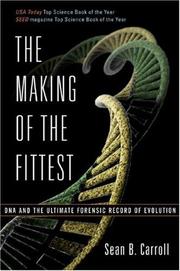
Introduces evo-devo (evolutionary developmental biology) and the DNA evidence for evolution, deepening the molecular-evolutionary synthesis built across previous stages.
Synthesis & Frontier — Systems, Ecology, and the Future of Biology
ExpertThink like a research biologist: integrate molecular, evolutionary, and ecological perspectives into a systems view, and engage with the open questions at biology's frontier.
▸ Study plan for this stage
Pace: 10–12 weeks total: ~3–4 weeks per book at roughly 20–25 pages/day. Week 1–4: Uri Alon's "An Introduction to Systems Biology" (dense, mathematical — slow down for circuit diagrams and motif analysis); Week 5–8: Quammen's "The Tangled Tree" (narrative-driven, faster pace ~30 pages/day); Week 9–12: She
- Network motifs and their functional logic (Alon): feed-forward loops, autoregulation, and why evolution repeatedly selects the same small circuits across organisms
- Robustness and tunability in biological networks — how systems maintain function despite noise, mutation, and environmental perturbation (Alon)
- The design principles framework: treating evolved biological circuits as engineering solutions to defined problems, enabling quantitative, predictive biology (Alon)
- Horizontal gene transfer (HGT) and its radical challenge to the tree-of-life metaphor — the web or 'tangled tree' as a more accurate model of evolutionary history (Quammen)
- The discovery of Archaea (Woese & Fox) and how molecular phylogenetics rewrote the deepest branches of life, illustrating how tools shape theory (Quammen)
- Endosymbiosis and the chimeric nature of eukaryotic cells — how 'self' in biology is always a negotiated, composite identity (Quammen & Sheldrake)
- Symbiosis as a primary evolutionary and ecological force: mycorrhizal networks, lichen, and the dissolution of the individual organism as a fundamental unit (Sheldrake)
- The holobiont concept and microbiome thinking — organisms as ecosystems, blurring boundaries between self, symbiont, and environment (Sheldrake, bridging back to Quammen)
- After reading Alon, can you explain why the coherent type-1 feed-forward loop acts as a sign-sensitive delay, and give a biological example of why that delay is adaptive?
- Quammen argues the 'tree of life' is a flawed metaphor — what specific discoveries (HGT, Archaea, endosymbiosis) forced this revision, and what does the alternative model look like?
- How does Sheldrake's account of mycorrhizal networks challenge the concept of the individual organism, and how does this connect to the systems-biology principle that function emerges from interactions rather than components?
- Across all three books, evolution is shown to be more reticulate, networked, and symbiotic than the classical Modern Synthesis suggested — what are three concrete examples, one from each book, that support this claim?
- Alon introduces 'robustness' as a design principle; Sheldrake shows fungi thrive in radically unstable environments. How might network motif logic explain the ecological resilience of fungal systems?
- What open research questions are raised by each book, and which one do you find most tractable with current technology — why?
- **Motif mapping (Alon):** Choose a well-studied gene regulatory network (e.g., the *E. coli* SOS response or the yeast cell cycle). Draw the network, identify at least two motifs Alon describes, and write a one-paragraph functional interpretation of each motif's role — as if writing a methods rationale for a grant.
- **Phylogenetic tree vs. web (Quammen):** Using a free tool such as iTOL or the NCBI taxonomy browser, visualize the three-domain tree of life. Then annotate it by hand (digitally or on paper) with at least five documented HGT events from the literature. Reflect in writing: how does the annotation change your interpretation of 'relatedness'?
- **Personal holobiont audit (Sheldrake):** Research the known microbiome composition of one human body site (gut, skin, or oral cavity). List five microbial species, their functional roles, and map each onto a systems-biology lens: what 'circuit' or interaction motif does each relationship resemble (mutualism as positive feedback, competition as mutual inhibition, etc.)?
- **Cross-book concept matrix:** Build a 3×5 table with the three books as columns and five themes as rows (e.g., 'unit of selection,' 'robustness,' 'network structure,' 'identity/boundary of organism,' 'open frontier questions'). Fill every cell with a specific claim or example from that book. Use the completed matrix to write a 400-word synthesis essay.
- **Simulate a feed-forward loop (Alon):** Using free tools (Python/NumPy, MATLAB, or the BioNetGen online simulator), implement the simple ODE model of a coherent type-1 FFL from Alon Chapter 4. Vary the input signal duration and plot output — observe the delay filtering effect. Annotate your plots with biological interpretation.
- **Frontier literature dive:** Each book gestures toward open questions (synthetic gene circuits, ancient HGT in human genomes, fungal communication). Choose one open question, find two recent primary research papers (post-2020) on it, and write a one-page 'research gap' summary connecting the paper's findings back to the conceptual framework in the relevant book.
Next up: By integrating molecular circuit logic (Alon), reticulate evolutionary history (Quammen), and symbiotic ecological networks (Sheldrake) into a unified systems perspective, the reader is now equipped to engage with primary research literature and specialized advanced topics — whether in synthetic biology, evolutionary genomics, or ecological modeling — as an active, critical participant rather than

Teaches how to think about biological networks and design principles — requires the molecular fluency built in Stage 3 and rewards it with a powerful new lens.
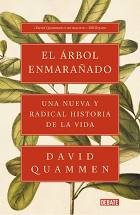
Explores horizontal gene transfer and the rewriting of the tree of life, synthesizing evolution and molecular biology into a cutting-edge narrative that challenges and consolidates everything learned.

Closes the curriculum with fungi as a case study in ecological complexity and symbiosis — a beautifully written reminder that biology's deepest questions are still wide open.
Discussion
Keep reading
Paths that share books, cover the same subject, or open a related topic.