Mushroom Foraging: The Best Books to Identify Wild Mushrooms
This curriculum is designed for an intermediate learner who already has some outdoor experience and basic nature literacy, but wants to develop serious, safe, and confident mushroom foraging skills. The path moves from solidifying core identification frameworks and field skills, through regional and ecological depth, to advanced mycological understanding — each stage building the vocabulary, visual pattern recognition, and ecological intuition needed for the next.
Foundations & Safe Identification
BeginnerEstablish a reliable mental framework for mushroom identification, understand the key morphological features used to distinguish species, and internalize the critical safety rules around deadly look-alikes.
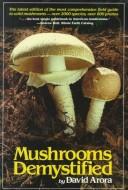
The canonical reference in North American mycology — encyclopedic yet readable. Starting here gives the intermediate learner a complete vocabulary of mushroom anatomy, spore prints, and genus-level thinking that all later books assume.

Arora's compact, field-ready companion distills the most important edible and toxic species into a portable format. Reading it second lets you immediately apply the framework from Mushrooms Demystified in the field.
Field Skills & Regional Mastery
IntermediateDevelop confident, region-specific identification skills, understand habitat and seasonal patterns, and learn to systematically rule out dangerous look-alikes before harvesting.
▸ Study plan for this stage
Pace: 12–14 weeks, ~40–50 pages/day, with 2–3 field sessions per week. Allocate 4–5 weeks to Lincoff (comprehensive foundation), 4–5 weeks to Trudell (regional deep-dive), and 3–4 weeks to Bessette (specialized group mastery).
- Morphological identification hierarchy: cap, gills/pores, stem, flesh, spore print color, and habitat as the primary diagnostic features used in Lincoff's systematic approach
- Regional ecology and seasonal fruiting patterns specific to Pacific Northwest (Trudell) and Eastern North America (Bessette), including substrate preferences and climate triggers
- Dangerous look-alike families and how to distinguish edible species from toxic mimics using key differentiating traits (e.g., Amanita vs. edible Agaricus, Galerina vs. Gymnopilus)
- Bolete identification fundamentals: pore surface characteristics, stem reticulation, bruising reactions, and the critical role of microscopic features in Bessette's Eastern bolete taxonomy
- Systematic elimination method: using dichotomous keys and field guides to narrow species candidates, then confirming with multiple overlapping characteristics before harvest
- Spore printing technique and interpretation as a non-negotiable verification step for gill fungi across all three guides
- Habitat assessment and seasonal timing as primary filters for narrowing species possibilities before morphological examination
- Using Lincoff's morphological hierarchy, walk through the identification process for a mystery mushroom: what features would you examine first, and in what order, to confidently narrow it to a single species?
- Describe the key differences between a toxic Amanita phalloides and an edible Agaricus bisporus using specific traits from the field guides, and explain why spore printing is essential for this distinction.
- How do the seasonal fruiting patterns and habitat preferences described in Trudell's Pacific Northwest guide differ from those in Bessette's Eastern North America guide, and how would you use these differences in the field?
- Explain the systematic elimination method: given a bolete specimen, what sequence of observations (macroscopic and microscopic) from Bessette would you perform to rule out dangerous look-alikes?
- What are the three most common bolete look-alike pitfalls in your region (Pacific Northwest or Eastern), and how does Trudell or Bessette help you avoid them?
- Demonstrate how to perform and interpret a spore print using the technique described in Lincoff, and explain what spore color tells you about species identity.
- Complete Lincoff's dichotomous key exercises for 10 common species in your region, documenting each step and the morphological features that eliminated competing species.
- Conduct weekly field forays (2–3 per week) with a hand lens, ruler, and collection bag; collect 5–8 specimens per outing and photograph them from multiple angles before identification.
- Create a regional species reference collection: press and dry 15–20 confirmed specimens (using Trudell or Bessette as your authority) and annotate with habitat, date, and key ID features; store in a labeled box for future comparison.
- Perform spore prints on 10 different gill fungi using Lincoff's technique; photograph and label each print with species name, date, and spore color; compare results across specimens.
- Identify 5 dangerous look-alike pairs in your region (e.g., Amanita virosa vs. edible Agaricus, or toxic Galerina vs. edible Gymnopilus); for each pair, write a 1-page comparison highlighting the 3–4 distinguishing features from the field guides.
- Practice the systematic elimination method on 8–10 field specimens: for each, document your observations in a standardized form (cap, gills/pores, stem, flesh, spore print, habitat) and cross-reference with Lincoff, Trudell, or Bessette to reach a confident ID.
- Join a local mycological society foray or guided walk; bring your field guides and practice identifying specimens alongside experienced foragers, asking them to explain their reasoning for each ID.
Next up: This stage builds the foundational field confidence and regional mastery needed to move into the next level—whether that is specialized cultivation, advanced microscopy and taxonomy, or confident wild harvesting for culinary use—by ensuring you can reliably identify species in your own ecosystem and confidently eliminate dangerous mimics.
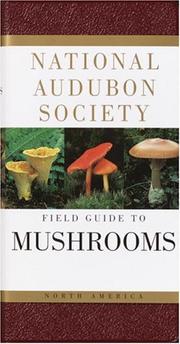
Lincoff's photographic guide covers over 700 species and is organized by visual appearance — ideal for cross-referencing field finds and building pattern recognition across a wide range of species.

A tightly focused regional guide with excellent photography and clear look-alike warnings. Pairing a regional guide with the broader references sharpens identification by narrowing the realistic candidate pool for your area.

Diving into a single genus in depth teaches the discipline of fine-grained identification — color changes, pore surfaces, staining reactions — skills that transfer directly to every other mushroom group.
Toxicology, Look-Alikes & Safety Depth
IntermediateUnderstand the science of mushroom toxins, study the most dangerous species and their mimics in rigorous detail, and develop a systematic decision process that makes harvesting genuinely safe.
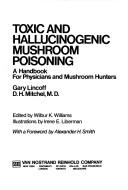
A thorough treatment of mushroom toxins, poisoning syndromes, and the specific species responsible. Reading this before foraging seriously reframes every identification decision around real physiological stakes.
Ecology, Cultivation & Advanced Mycology
ExpertMove beyond identification into a deeper understanding of fungal ecology, mycelial networks, and the relationship between mushrooms and their ecosystems — enabling smarter, more sustainable foraging and a richer appreciation of the fungal kingdom.
▸ Study plan for this stage
Pace: 8–10 weeks, ~40–50 pages/day (alternating between both books to build interconnected understanding)
- Mycelial networks as the primary fungal organism: structure, growth patterns, and nutrient transport mechanisms
- Fungal ecology: decomposition, nutrient cycling, and the role of fungi in forest and soil ecosystems
- Mycorrhizal associations and symbiotic relationships between fungi and plants, trees, and other organisms
- Chemical signaling and communication within and between fungal networks, including quorum sensing and resource allocation
- Fungal intelligence and adaptive behavior: how mycelium responds to environmental stimuli without a brain
- Cultivation principles grounded in ecological understanding: substrate preparation, environmental triggers, and fruiting body formation
- Sustainable foraging ethics: understanding fungal life cycles and ecosystem impact to harvest responsibly
- The wood wide web: how fungal networks connect plants and facilitate nutrient and information exchange across ecosystems
- What is the relationship between mycelium and fruiting bodies, and why is understanding this distinction critical for both cultivation and foraging?
- How do mycorrhizal networks function, and what role do they play in plant health and forest ecosystem stability?
- Explain the concept of the 'wood wide web' and describe how fungi facilitate communication and nutrient transfer between plants.
- What are the key environmental triggers and conditions that cause mycelium to fruit, and how can this knowledge improve cultivation success?
- How does fungal decomposition contribute to nutrient cycling, and why is this process essential for ecosystem health?
- Describe the chemical and biological mechanisms by which fungi sense their environment and make adaptive decisions about growth and resource allocation.
- What ethical considerations should guide mushroom foraging based on your understanding of fungal ecology and life cycles?
- Create a detailed diagram of a mycorrhizal network showing the connections between mycelium, plant roots, and nutrient/information flow; label key processes from both books
- Inoculate and maintain a mushroom cultivation project (oyster, shiitake, or wine cap) using principles from Stamets; document environmental conditions, mycelial colonization stages, and fruiting triggers weekly
- Conduct a soil ecology study: collect soil samples from different forest zones, observe fungal growth patterns, and connect observations to decomposition and nutrient cycling concepts
- Write a case study analyzing a specific fungal species' ecological role: describe its mycorrhizal partners (if any), decomposition function, chemical signaling, and sustainable harvesting guidelines
- Design a sustainable foraging plan for a local ecosystem: identify target species, map their fruiting cycles, estimate population capacity, and establish harvest limits based on ecological principles
- Create a 'fungal communication map' showing how a specific mycelial network responds to environmental stress (drought, temperature change, nutrient depletion) using evidence from both texts
Next up: This stage transforms you from a forager who identifies mushrooms into an ecologist who understands the living systems beneath your feet, positioning you to make informed decisions about where, when, and how to forage while contributing to ecosystem health rather than depleting it.
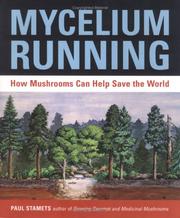
Stamets bridges foraging and ecology, explaining how fungi interact with forests, soil, and other organisms. This ecological lens makes you a better forager by helping you predict where and when species fruit.

A beautifully written, scientifically grounded exploration of fungal biology and ecology. Reading this last recontextualizes everything learned in earlier stages within the cutting-edge science of how fungi shape life on Earth.
Discussion
Keep reading
Paths that share books, cover the same subject, or open a related topic.