The Mediterranean diet: the best books to eat for lasting health, in order
This curriculum takes a beginner from the basic principles of Mediterranean eating all the way through the nutrition science and clinical evidence behind it, with practical cooking woven in at every stage. Each stage builds on the last: you first grasp the "what and why," then master the kitchen skills, and finally engage with the deeper science and research that makes this diet one of the most studied in the world.
Foundations: What Is the Mediterranean Diet?
BeginnerUnderstand the core principles, food groups, and cultural roots of the Mediterranean diet, and build a working vocabulary for everything that follows.
▸ Study plan for this stage
Pace: 2–3 weeks, ~40–50 pages/day. Start with America's Test Kitchen's cookbook introduction and foundational chapters (weeks 1–1.5), then move to Cloutier's comprehensive overview (weeks 1.5–3) to deepen understanding of principles and science.
- The Mediterranean diet is not a restrictive diet but a lifestyle rooted in the eating patterns of countries bordering the Mediterranean Sea (Spain, Italy, Greece, etc.)
- Core food groups: abundant vegetables, fruits, whole grains, legumes, nuts, olive oil as primary fat, moderate fish and poultry, limited red meat, and moderate dairy (especially cheese and yogurt)
- Olive oil is the cornerstone fat source, used for cooking and dressing; it provides monounsaturated fats and polyphenols with anti-inflammatory benefits
- The Mediterranean diet emphasizes whole, minimally processed foods and seasonal, local ingredients—principles evident in both the recipes and nutritional guidance across both books
- Cultural and social dimensions: meals are shared, eaten slowly, and integrated into daily life; wine is consumed moderately with meals, not in isolation
- Health benefits documented in research: reduced risk of heart disease, type 2 diabetes, cognitive decline, and overall mortality, as explained in Cloutier's evidence-based chapters
- Regional variation exists across Mediterranean countries; understanding these differences (Italian vs. Greek vs. Spanish approaches) enriches practical application
- Practical translation: how to stock a Mediterranean pantry, read labels, and adapt recipes from America's Test Kitchen's cookbook to your own kitchen
- What are the five main food groups that form the foundation of the Mediterranean diet, and why is olive oil considered the cornerstone?
- How does the Mediterranean diet differ from typical low-fat or low-carb diets, and what role does cultural context play in its definition?
- What specific health benefits does the Mediterranean diet provide, and what does the research cited in Cloutier's book show about disease prevention?
- Name three Mediterranean countries and describe one key difference in how each region approaches the diet (e.g., Italian vs. Greek vs. Spanish staples).
- How would you stock a Mediterranean pantry based on America's Test Kitchen's recommendations, and what are five essential ingredients you must have?
- Explain the relationship between the Mediterranean diet's emphasis on whole foods and seasonal eating, and how this connects to both health and sustainability.
- Read the introduction and opening chapters of America's Test Kitchen's cookbook (typically 20–30 pages) and create a visual pantry checklist of 15–20 essential Mediterranean ingredients mentioned.
- Prepare 2–3 simple recipes from America's Test Kitchen's cookbook (e.g., a salad, a vegetable side, a simple fish dish) and note which core food groups each recipe emphasizes.
- Create a one-week meal plan using recipes from America's Test Kitchen's cookbook that reflects the proportions and principles outlined in Cloutier's book (e.g., 5+ servings of vegetables, 2–3 fish meals, legumes 2–3 times).
- Compare and contrast the Mediterranean diet approach to three other diets you're familiar with (e.g., keto, paleo, vegan) using Cloutier's explanations of why the Mediterranean approach differs in its philosophy and health outcomes.
- Visit a farmers market or grocery store and identify 10 seasonal, local ingredients that align with Mediterranean principles; plan one meal around them using a recipe from America's Test Kitchen.
- Write a one-page reflection on the cultural and social aspects of eating mentioned in both books (e.g., shared meals, slow eating, wine with food) and how you might incorporate these into your own life.
Next up: This foundation equips you with the vocabulary, core principles, and practical pantry knowledge needed to move into the next stage, where you'll dive deeper into specific food categories (vegetables, grains, proteins) and learn advanced cooking techniques and meal-planning strategies.
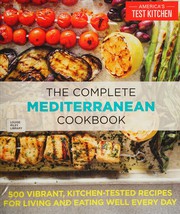
A rigorously tested, beginner-friendly entry point that explains the diet's building blocks (olive oil, legumes, whole grains, fish, vegetables) through 500 approachable recipes with clear nutritional context — perfect for learning by doing.
A concise, evidence-grounded primer that explains the diet's history, food pyramid, and health rationale in plain language, giving beginners a solid conceptual map before diving deeper.
Cooking the Mediterranean Way
BeginnerDevelop real kitchen fluency with Mediterranean ingredients and techniques, learning how traditional meals are built and why specific foods (olive oil, legumes, seafood, herbs) are central.
▸ Study plan for this stage
Pace: 6–8 weeks, ~25–30 pages/day, with 2–3 cooking sessions per week
- How olive oil functions as both a flavor foundation and cooking medium across Mediterranean cuisines, not just a finishing ingredient
- The role of legumes (chickpeas, lentils, beans) as protein anchors in Mediterranean meals and how they're traditionally prepared
- Building flavor through layering spices, herbs, and aromatics rather than relying on salt or fat alone
- The structure of traditional Mediterranean meals: how vegetables, grains, and proteins combine to create balanced, seasonal dishes
- Regional variation within Mediterranean cooking: understanding how Jerusalem's Middle Eastern influences differ from Greek traditions
- Seafood preparation techniques and why fresh, simply-cooked fish and shellfish are central to coastal Mediterranean eating
- The importance of seasonal and local ingredient selection in authentic Mediterranean cooking
- How traditional cooking methods (slow-cooking, braising, grilling) preserve nutrients and develop depth of flavor
- How does Ottolenghi use olive oil differently in Jerusalem compared to how Kochilas applies it in Greek cooking, and what does this reveal about regional Mediterranean approaches?
- Describe three ways legumes appear in the recipes across both books and explain why they are considered foundational to Mediterranean nutrition
- What are the key flavor-building techniques you've learned from both authors, and how do they differ from cooking traditions outside the Mediterranean?
- Choose a recipe from each book and explain how the ingredients reflect seasonal and regional availability in their respective cuisines
- How would you adapt a recipe from Jerusalem to use more Greek ingredients and techniques, or vice versa, while maintaining Mediterranean principles?
- What role do herbs and spices play in the recipes you've studied, and how do they create complexity without excessive salt or fat?
- Cook 2–3 legume-based dishes from Jerusalem (e.g., hummus, chickpea stew) and 2–3 from My Greek Table (e.g., giant beans, lentil soup), documenting how preparation methods and flavor profiles differ
- Prepare a simple grilled or pan-seared fish dish from My Greek Table, then cook a Middle Eastern seafood preparation from Jerusalem, comparing cooking times, seasoning approaches, and results
- Create a tasting comparison: make two versions of a similar dish (one from each book) and identify how regional ingredients and techniques create distinct flavors
- Build a complete Mediterranean meal using recipes from both books, ensuring it includes vegetables, legumes or seafood, grains, and olive oil—then reflect on how the components work together
- Conduct an olive oil tasting with 2–3 different varieties while reading Ottolenghi's and Kochilas's descriptions of oil quality, then use different oils in the same recipe to taste the difference
- Keep a cooking journal documenting 6–8 recipes attempted, noting ingredient substitutions, technique observations, and how each dish reflects Mediterranean principles from the books
Next up: This stage builds hands-on competence with core Mediterranean ingredients and techniques, preparing you to explore how these foundations adapt across different Mediterranean regions and dietary contexts in the next stage.

Ottolenghi's celebrated cookbook introduces the vibrant, vegetable-forward cooking of the eastern Mediterranean, building intuition for flavor layering and ingredient combinations that define the diet.

Greece is the heartland of the Mediterranean diet; Kochilas grounds classic Greek home cooking in its nutritional logic, reinforcing the diet's principles through authentic, everyday recipes.
The Science of Food and Nutrition
IntermediateUnderstand the nutritional science behind why Mediterranean foods promote health — including the roles of healthy fats, fiber, polyphenols, and anti-inflammatory compounds.
▸ Study plan for this stage
Pace: 4–5 weeks, ~40–50 pages/day. Start with "Food Rules" (1–2 weeks, ~30 pages/day for its shorter length), then move to "The Longevity Diet" (3–4 weeks, ~50 pages/day for deeper nutritional science).
- Pollan's food philosophy: 'Eat food. Not too much. Mostly plants.' — the foundational principle that guides Mediterranean eating patterns
- The distinction between real food and processed food products, and how to identify whole foods that align with Mediterranean principles
- Macronutrient balance in the Mediterranean diet: the role of healthy fats (olive oil, nuts), complex carbohydrates, and plant-based proteins
- Polyphenols and phytonutrients: what they are, where they're found in Mediterranean foods (olive oil, red wine, leafy greens, berries), and their anti-inflammatory effects
- Fiber's role in digestive health, satiety, and disease prevention — particularly from whole grains, legumes, and vegetables central to the Mediterranean diet
- The longevity mechanisms Longo identifies: caloric restriction, fasting-mimicking diets, and nutrient density as keys to cellular health and disease prevention
- The five longevity pillars: nutrition, exercise, sleep, stress management, and social connections — with emphasis on how Mediterranean food culture supports these
- Biomarkers of health (cholesterol, blood pressure, inflammation markers) and how Mediterranean foods optimize them based on clinical evidence
- According to Pollan, what is the primary distinction between 'food' and 'food products,' and how does this distinction apply to Mediterranean diet staples?
- What are polyphenols, where are they concentrated in Mediterranean foods, and what specific health benefits does Longo attribute to them?
- How do healthy fats (particularly olive oil) function in the Mediterranean diet according to both authors, and why are they preferable to other fat sources?
- What role does fiber play in the Mediterranean diet's health benefits, and which Mediterranean foods are the richest sources?
- Explain Longo's concept of a fasting-mimicking diet and how it relates to the traditional Mediterranean eating pattern.
- What biomarkers of health does Longo use to measure the effectiveness of the longevity diet, and how do Mediterranean foods influence these markers?
- Read and annotate Pollan's 'Food Rules' — for each rule, identify 3–5 Mediterranean foods that exemplify it, and note why they qualify as 'real food.'
- Create a 'polyphenol inventory' by researching the polyphenol content of 10 Mediterranean staples (olive oil, red wine, dark leafy greens, berries, nuts, whole grains, legumes, herbs, tomatoes, fish). Chart their approximate polyphenol levels and anti-inflammatory compounds.
- Design a one-week Mediterranean meal plan using Pollan's principles and Longo's nutritional guidelines. For each meal, identify the key nutrients (healthy fats, fiber, polyphenols) and explain how it supports longevity.
- Conduct a kitchen audit: categorize your current pantry items using Pollan's framework (real food vs. food products). Replace 5–10 processed items with Mediterranean whole-food equivalents and track any changes in how you feel over two weeks.
- Read and summarize Longo's clinical studies on the Mediterranean diet and longevity. Create a one-page synthesis of the key biomarkers improved (cholesterol, inflammation, blood pressure) and the foods responsible.
- Practice a fasting-mimicking day using Mediterranean principles: consume only whole plant foods, olive oil, nuts, and fish (under 800 calories). Reflect on hunger, energy, and how this relates to Longo's longevity mechanisms.
Next up: This stage grounds you in the nutritional science and philosophy behind Mediterranean eating, preparing you to explore the cultural, historical, and practical dimensions of how Mediterranean communities actually live and eat these principles daily.
Pollan's distilled wisdom on eating patterns provides an accessible bridge from cooking practice to nutrition thinking, reinforcing the Mediterranean diet's whole-food philosophy with scientific common sense.

Longo, a leading longevity researcher, explains how a plant-rich, Mediterranean-style diet affects cellular aging and disease prevention — introducing key concepts like caloric restriction, fasting, and nutrient signaling.
Heart Health and Clinical Evidence
IntermediateEngage with the landmark clinical research — including the PREDIMED trial — that established the Mediterranean diet as the gold standard for cardiovascular disease prevention.
▸ Study plan for this stage
Pace: 4–5 weeks, ~25–30 pages/day. Start with Esselstyn (Week 1–2, ~200 pages), then Bowden (Week 3–5, ~250 pages). Allocate 2–3 days per week for review, note-synthesis, and exercises.
- The pathophysiology of atherosclerosis and how plant-based nutrition arrests and reverses arterial plaque buildup (Esselstyn's core thesis)
- The PREDIMED trial design, methodology, and landmark findings demonstrating Mediterranean diet superiority in cardiovascular outcomes
- The cholesterol myth: why LDL levels alone are insufficient markers of heart disease risk, and the role of inflammation, oxidative stress, and endothelial dysfunction
- Plant-based whole-food nutrition as the evidence-based foundation for cardiovascular disease prevention and reversal
- The distinction between refined carbohydrates and whole-food carbohydrates in the context of metabolic health and heart disease
- How dietary patterns influence biomarkers beyond cholesterol: inflammation markers, blood pressure, insulin sensitivity, and arterial function
- The limitations of statin therapy and the primacy of lifestyle intervention in long-term cardiovascular outcomes
- Practical translation of clinical evidence into sustainable dietary and lifestyle protocols
- What is the mechanism by which endothelial dysfunction initiates atherosclerosis, and how does plant-based nutrition reverse this process according to Esselstyn?
- Describe the PREDIMED trial: its design, participant population, intervention arms, and primary cardiovascular outcomes.
- Why does Bowden argue that cholesterol levels alone are misleading markers of cardiovascular risk? What alternative biomarkers does he emphasize?
- What are the key nutritional differences between the Mediterranean diet as studied in PREDIMED and the standard American diet, and how do these differences affect cardiovascular health?
- How do Esselstyn and Bowden each address the role of dietary fat in heart disease prevention, and where do their perspectives align or diverge?
- What evidence do these authors present for the reversibility of coronary artery disease through dietary intervention, and what are the timelines for clinical improvement?
- Create a detailed case study analysis: select one patient case from Esselstyn's book and track their biomarker changes (cholesterol, blood pressure, weight) over time; then cross-reference Bowden's critique of cholesterol-centric interpretation to propose what additional markers should have been monitored.
- Design a 2-week personal dietary experiment: adopt a Mediterranean diet pattern aligned with PREDIMED protocols; track subjective energy, digestion, and cardiovascular symptoms daily; compare your food logs against the specific dietary components emphasized in both books.
- Construct a visual comparison chart: map the PREDIMED trial's three intervention arms (Mediterranean + EVOO, Mediterranean + nuts, control) against Esselstyn's plant-based protocol; identify overlaps and divergences in food recommendations.
- Write a critical synthesis essay (1,500–2,000 words): "Reconciling Esselstyn's Plant-Based Approach with the Mediterranean Diet of PREDIMED." Address whether PREDIMED's inclusion of fish and olive oil contradicts or complements Esselstyn's stricter plant-based stance.
- Conduct a biomarker deep-dive: select 3–4 cardiovascular biomarkers discussed in both books (e.g., LDL, inflammation markers, endothelial function); research the latest 2023–2024 clinical literature on each; write a 1-page summary of how current evidence supports or challenges each author's interpretation.
- Create a patient education handout (1–2 pages): synthesize the key cardiovascular mechanisms from both books into language suitable for explaining to a family member why dietary change matters more than medication alone for heart disease prevention.
Next up: This stage grounds you in the clinical evidence and mechanistic understanding of how Mediterranean and plant-based diets prevent cardiovascular disease, preparing you to move into the next stage—whether that focuses on practical implementation, broader metabolic health outcomes, or the cultural and sustainability dimensions of Mediterranean eating patterns.
Esselstyn's evidence-based argument for dietary intervention in heart disease provides a rigorous clinical counterpoint and context, helping readers critically evaluate the cardiovascular claims of the Mediterranean diet.

Examines the real dietary drivers of heart disease — inflammation, oxidized fats, sugar — which directly explains why the Mediterranean diet's emphasis on olive oil, fish, and whole foods is so well-supported by research.
Advanced Synthesis: Lifestyle, Longevity, and the Bigger Picture
ExpertSynthesize nutrition science, epidemiology, and lifestyle research to understand the Mediterranean diet not as a meal plan but as a complete, evidence-backed way of living.
▸ Study plan for this stage
Pace: 8–10 weeks, ~25–30 pages/day (alternating between books; ~4–5 weeks per book with overlap for synthesis)
- Blue Zones as real-world laboratories: how Buettner identifies and studies regions of exceptional longevity (Okinawa, Sardinia, Ikaria, Costa Rica, Loma Linda) and the common lifestyle patterns that emerge
- The Nine Principles of longevity: natural movement, life purpose, stress reduction, caloric restriction, plant-based eating, moderate wine consumption, strong social bonds, and family prioritization as interconnected drivers of health
- Pollan's food rules and the 'Eater's Manifesto': the distinction between food and edible food-like substances, and how industrial food systems corrupt both nutrition and culture
- The Western diet as a disease vector: how processed foods, seed oils, refined carbohydrates, and marketing override evolutionary eating patterns and create chronic disease
- Nutritionism vs. foodism: Pollan's critique of reductionist nutrition science that isolates nutrients rather than honoring the complexity and synergy of whole foods and eating cultures
- Mediterranean diet as cultural practice, not protocol: how the diet's power lies in its embeddedness in family, community, seasonality, and ritual—not in macronutrient ratios
- The role of movement, purpose, and social connection as non-dietary pillars of the Mediterranean lifestyle that are equally critical to longevity as food choices
- Translating Blue Zone and food-rule wisdom into personal and community-level change: practical pathways to adopt Mediterranean principles in modern contexts
- What are the five Blue Zones, where are they located, and what specific lifestyle patterns do they share in common across geography and culture?
- According to Buettner, how do the Nine Principles of longevity interact with each other, and why is no single principle sufficient on its own?
- How does Pollan distinguish between 'food' and 'edible food-like substances,' and what role does food marketing play in obscuring this distinction?
- What is nutritionism, and why does Pollan argue it has failed as a framework for understanding healthy eating compared to a focus on whole foods and food cultures?
- How do the Mediterranean diet and Blue Zone lifestyles prioritize social connection, family, and community as health factors, and what does this suggest about the limitations of individual dietary change?
- What practical steps can you take to shift your own eating and lifestyle toward Mediterranean principles while acknowledging the constraints of modern food systems and schedules?
- Map the Nine Principles: Create a visual diagram (mind map or table) showing how each of Buettner's nine longevity principles relates to the others and to Mediterranean diet practices. Identify which principles you currently embody and which require the most change.
- Blue Zone deep dive: Choose one Blue Zone region (Okinawa, Sardinia, Ikaria, Costa Rica, or Loma Linda) and research its specific food culture, social structure, and daily rhythms. Write a 2–3 page profile comparing it to your own community.
- Pollan's food rules audit: Select 10–15 of Pollan's food rules from *In Defense of Food* and evaluate your current eating against them. For each rule you violate, identify one barrier (time, cost, access, habit) and brainstorm a realistic adaptation.
- Nutritionism vs. foodism analysis: Find three nutrition claims in advertising or health media (e.g., 'high in omega-3s,' 'low-fat,' 'fortified with vitamins'). Deconstruct each using Pollan's critique of nutritionism and explain what a foodist perspective would suggest instead.
- Lifestyle inventory: Assess your current practices in movement, purpose, stress, social connection, and eating patterns. Score yourself 1–10 on each of Buettner's Nine Principles and identify your top three leverage points for change.
- Mediterranean meal and ritual redesign: Plan one week of meals inspired by Mediterranean and Blue Zone principles, then actually cook and eat them. Document not just the food but the social context, pace, and how it feels different from your usual eating.
Next up: This stage grounds the Mediterranean diet in both epidemiological evidence (Blue Zones) and food systems critique (Pollan), positioning you to move into the next stage—whether that involves practical implementation, deeper nutritional biochemistry, or cultural and economic barriers to adoption—with a robust, systems-level understanding of *why* the diet works and *what* makes it sustainable.
Buettner's landmark study of the world's longest-lived populations — several of which are Mediterranean — ties together diet, community, movement, and purpose, showing the diet in its full cultural and epidemiological context.
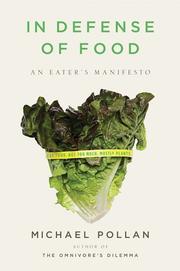
Pollan's deeper, more rigorous follow-up to Food Rules critically examines the history of nutritionism and makes a powerful scientific and philosophical case for exactly the kind of traditional, whole-food eating the Mediterranean diet represents — the ideal capstone for this curriculum.
Discussion
Keep reading
Paths that share books, cover the same subject, or open a related topic.