Cook vegetables like they're the main event
This curriculum takes a beginner from basic vegetarian kitchen confidence all the way to sophisticated, technique-driven flavor-building. Each stage builds on the last: first establishing core skills and pantry intuition, then expanding into global flavor systems, and finally mastering the deeper craft of making vegetables the undisputed star of any meal.
Foundations: Confidence in the Vegetarian Kitchen
BeginnerBuild essential knife skills, pantry knowledge, and a reliable repertoire of satisfying everyday vegetarian meals without feeling like anything is 'missing'.
▸ Study plan for this stage
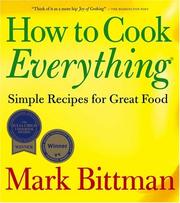
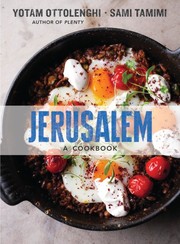
Pace: 10–12 weeks total. Weeks 1–7: "How to Cook Everything Vegetarian" by Mark Bittman (~40–50 pages/day, treating it as a reference-first read — skim chapter intros fully, then cook from each section before moving on). Weeks 8–12: "Plenty" by Yotam Ottolenghi (~20–25 pages/day, reading more slowly to ab
- Knife skills and mise en place: Bittman's foundational prep techniques (dicing, mincing, chiffonade) that underpin nearly every recipe in both books
- Pantry architecture: building and using the vegetarian pantry Bittman outlines — dried legumes, whole grains, aromatics, acids, and umami boosters like miso, soy, and Parmesan
- Cooking methods for vegetables: understanding how roasting, sautéing, steaming, braising, and raw preparation each transform flavor and texture, as demonstrated across Bittman's technique chapters
- Protein without meat: Bittman's systematic coverage of tofu, tempeh, eggs, legumes, and dairy as satisfying protein sources, and how to season and texture them so meals feel complete
- Flavor layering and the 'wow' factor: Ottolenghi's approach in Plenty to building bold, complex vegetable dishes through contrasting textures, fresh herbs, spices, and unexpected acids or sweetness
- Vegetable-forward thinking: shifting the mental model from 'meat + sides' to vegetables as the hero of the plate, a central philosophy in both Bittman's introductions and every chapter of Plenty
- Recipe literacy: reading a recipe critically — understanding ratios, substitutions, and the 'why' behind steps, a skill Bittman explicitly teaches through his variation structures
- Confidence and improvisation: using Bittman's variation frameworks and Ottolenghi's flavor combinations as springboards to cook without always following a recipe exactly
- After reading Bittman's pantry and ingredient chapters, can you name at least 10 staples you should always have on hand and explain how each contributes to a satisfying vegetarian meal?
- How does Bittman suggest you build a complete, protein-sufficient meal without meat — and which of his techniques (e.g., combining legumes, grains, eggs, or dairy) did you find most practical?
- Ottolenghi's recipes in Plenty often layer 4–6 distinct flavor or texture elements in a single dish. Can you identify this layering technique in at least two recipes you cooked and explain each component's role?
- What is the difference in philosophy and intended use between Bittman's 'How to Cook Everything Vegetarian' and Ottolenghi's 'Plenty' — and how do the two books complement each other at this stage?
- Can you describe three different ways to cook a single vegetable (e.g., cauliflower or eggplant) using techniques from either book, and explain how the cooking method changes the final flavor and texture?
- After completing both books' foundational sections, what does 'nothing is missing' mean to you in a vegetarian meal — and which specific recipes or techniques gave you that feeling most strongly?
- The Bittman Technique Gauntlet: Each week of the Bittman reading, cook one recipe that specifically practices the technique covered in that section (e.g., a braise, a stir-fry, a grain bowl) — write two sentences after each cook on what you'd adjust next time.
- Pantry Audit and Cook: Before starting Bittman, photograph your current pantry. After finishing his pantry chapter, restock to his recommended list and cook one full meal using only pantry staples — no fresh produce except aromatics.
- The Variation Challenge: Choose any Bittman base recipe that includes 3+ variations (e.g., his bean dishes or vegetable soups). Cook the base recipe one night, then cook two of its variations on subsequent nights, noting how small changes shift the dish entirely.
- Ottolenghi Reverse-Engineering: After cooking any three recipes from Plenty, write out the 'flavor map' of each dish — list every element (acid, fat, herb, spice, texture contrast) and explain why you think Ottolenghi included it. Then try removing one element and cook it again to feel the difference.
- The 'Nothing Missing' Dinner Party Test: By week 10, plan and cook a two-course vegetarian meal for at least one other person using one Bittman technique-driven dish and one Ottolenghi-inspired dish. Ask your guest if they felt satisfied — use their feedback as a self-assessment.
- Ingredient Deep-Dive: Pick one ingredient that appears in both books (eggplant, chickpeas, and cauliflower are strong candidates). Cook Bittman's treatment of it and Ottolenghi's treatment of it in the same week, then write a short comparison of the two approaches to the same ingredient.
Next up: Mastering Bittman's technique foundations and Ottolenghi's flavor-layering instincts gives the reader the mechanical confidence and creative curiosity needed to tackle more complex vegetarian cuisines, global spice traditions, and longer-form cooking projects in the next stage.

The ideal starting point — a comprehensive, no-fuss reference that demystifies vegetarian cooking with clear techniques and hundreds of flexible recipes that teach underlying patterns rather than rigid formulas.

Introduces the beginner to bold, vegetable-forward flavor combinations and teaches that vegetarian food can be deeply exciting; best read second so the Bittman foundation makes Ottolenghi's techniques approachable.
Flavor-Building: Herbs, Spices, and Global Pantries
BeginnerUnderstand how to layer aromatics, acids, fats, and spices to create complex, satisfying flavor — the core skill that separates good vegetarian cooking from bland cooking.
▸ Study plan for this stage
Pace: 6–8 weeks total: Weeks 1–4 for "Salt, Fat, Acid, Heat" (~25–30 pages/day, including re-reading the four elements chapters slowly and cooking alongside); Weeks 5–8 for "The Vegetarian Flavor Bible" (used less as a cover-to-cover read and more as a reference — spend ~1 week studying the introductory f
- The Four Elements of Good Cooking (Salt, Fat, Acid, Heat) as described by Nosrat — understanding each not as a recipe ingredient but as a fundamental force that shapes flavor, texture, and satisfaction
- Salt's role beyond seasoning: how it enhances, suppresses bitterness, and draws out moisture — and the difference between salting at different stages of cooking
- Fat as a flavor carrier and texture builder: how different fats (olive oil, butter, coconut oil) carry and transform aromatic compounds differently, critical for vegetarian dishes that lack meat fat
- Acid as a balancing tool: how vinegars, citrus, fermented ingredients, and fresh herbs with acidity brighten and lift dishes, preventing the 'flatness' common in beginner vegetarian cooking
- Layering aromatics in sequence: the concept (introduced practically in Nosrat and expanded in Page) that onions, garlic, ginger, and spices must be added at the right moment and in the right fat to bloom properly
- Flavor affinity vs. flavor pairing: Karen Page's framework for understanding which ingredients have a natural chemical and culinary harmony, and how to use the Flavor Bible's entries as a creative map rather than a rulebook
- Global pantry logic: how different world cuisines (South Asian, Mediterranean, Mexican, East Asian, Middle Eastern) each solve the 'bland vegetable' problem with a distinct combination of aromatics, acids, and fats — and how to borrow intelligently across them
- Tasting as a skill: Nosrat's insistence on tasting at every stage as an active, analytical act — learning to diagnose what a dish is missing (salt? acid? fat? heat?) rather than just following a recipe
- After reading Nosrat, can you explain in your own words why a dish might taste 'flat' and identify which of the four elements is likely missing — and what specific ingredient you would add to fix it?
- What is the difference between blooming spices in fat versus adding them to a water-based liquid, and why does it matter for vegetarian cooking specifically?
- Using 'The Vegetarian Flavor Bible,' can you look up a single hero ingredient (e.g., eggplant, chickpeas, or cauliflower) and construct a coherent flavor profile for a dish by identifying its top affinities across an aromatic, an acid, a fat, and a spice?
- How does Nosrat's concept of 'seasoning in layers' connect to Karen Page's idea of building complexity through ingredient affinity — what is the underlying principle they share?
- Can you describe the flavor-building logic of at least two distinct global cuisines (e.g., South Asian vs. Mediterranean) in terms of which fats, aromatics, and acids anchor them?
- What is the risk of over-relying on spice quantity rather than spice technique, and how do both books address this problem?
- The Four Elements Diagnosis Drill (Nosrat-based): Cook a simple pot of lentil soup or roasted vegetables with NO seasoning. Then taste and add only salt, then only acid (lemon juice), then only fat (olive oil or butter), tasting after each addition. Journal exactly what changed — this makes Nosrat's framework viscerally real.
- Fat-as-flavor-carrier experiment: Make the same sautéed garlic and spice base (e.g., cumin + coriander + garlic) three times — once in olive oil, once in butter, once in coconut oil. Serve over plain rice and compare. Note how the fat changes the flavor profile, not just the texture.
- Acid rescue challenge: Deliberately over-salt a simple dish (e.g., a tomato sauce), then use acid (vinegar, citrus) to rebalance it. Reverse the experiment: make a dish that tastes dull and flat, and use only acid additions to bring it to life — no extra salt allowed.
- Flavor Bible ingredient mapping: Choose 5 vegetables you cook regularly. For each, open 'The Vegetarian Flavor Bible' and build a 'flavor web' on paper — write the ingredient in the center, then map its top 8–10 affinities in clusters (herbs, spices, acids, fats, other vegetables). Pin these to your kitchen wall as a reference.
- Global pantry reconstruction: Pick three cuisines (e.g., Indian, Mexican, Japanese). For each, identify the foundational fat, the primary aromatic trio, the key acid, and the signature spice or spice blend. Cook one simple dish from each cuisine, consciously applying this framework rather than just following a recipe step-by-step.
- Weekly 'no-recipe' cook using both books: Once a week, choose an ingredient from your fridge, consult 'The Vegetarian Flavor Bible' for affinities, then use Nosrat's four-element framework to build a dish from scratch without a recipe. Write a one-paragraph post-mortem on what worked, what was missing, and what you'd adjust.
Next up: Mastering flavor-building with herbs, spices, and pantry logic gives the reader a confident internal compass for taste, which is the essential prerequisite for the next stage — learning to construct complete, nutritionally balanced vegetarian meals and menus where those flavor skills must now serve structure, variety, and wholeness.
Teaches the four fundamental elements of good cooking as a mental framework; reading this now gives the learner a universal lens for understanding why every recipe in the rest of the curriculum works.

A reference-style guide to flavor affinities for vegetables, grains, and legumes — use it alongside cooking to build intuition for pairing ingredients confidently without always following a recipe.
Going Deeper: Vegetables as the Main Event
IntermediateMaster a wider range of cooking techniques — roasting, braising, charring, fermenting — and learn to construct complete, nutritionally satisfying vegetarian plates with professional-level results.
▸ Study plan for this stage
Pace: 10–12 weeks total: ~3–4 weeks per book. Plenty More: read ~15–20 pages/day, cooking 2–3 recipes/week; Six Seasons: read ~12–18 pages/day, cooking seasonally as you go; The Complete Vegetarian Cookbook: use as a reference and technique manual alongside the others, reading ~20 pages/day with at least
- Dry-heat transformation: how roasting and charring concentrate flavors, create Maillard browning, and change texture in vegetables — as demonstrated throughout Ottolenghi's Plenty More
- Braising and slow-cooking vegetables to develop depth and tenderness, drawing on techniques in both Six Seasons and The Complete Vegetarian Cookbook
- Seasonality as a structural principle: McFadden's Six Seasons framework (early spring, spring, early summer, midsummer, late summer, fall, winter) and how cooking technique should follow the vegetable's seasonal character
- Building complete, nutritionally balanced vegetarian plates — combining proteins (legumes, eggs, dairy, nuts), complex carbohydrates, and fats as taught in The Complete Vegetarian Cookbook
- Fermentation and pickling as flavor-building tools: using acids, brines, and fermented condiments (a recurring element in Ottolenghi's flavor layering in Plenty More)
- Flavor architecture: Ottolenghi's signature method of layering spices, fresh herbs, acids, and textural contrasts to elevate a single vegetable into a centerpiece dish
- Understanding vegetable anatomy and water content to choose the right technique — a core principle in both Six Seasons and The Complete Vegetarian Cookbook
- Professional plating and composition: how to think about color, height, sauce placement, and garnish to present vegetarian food with restaurant-level intention
- After reading Plenty More, can you explain Ottolenghi's approach to making a single vegetable the star of a dish — what techniques, flavor pairings, and textural elements does he consistently rely on?
- How does McFadden's 'six seasons' framework differ from the standard four seasons, and how does it change the way you select and cook vegetables throughout the year?
- What are the key differences between roasting, charring, and braising as vegetable cooking methods, and when — according to these three books — should you choose one over another?
- Using The Complete Vegetarian Cookbook as your guide, how would you construct a nutritionally complete vegetarian dinner plate for someone needing adequate protein, iron, and healthy fats?
- How do fermentation and pickling function as flavor-building (not just preservation) tools in vegetarian cooking, and which book treats this most extensively?
- What does Six Seasons teach about matching the 'age' or stage of a vegetable (e.g., young vs. mature) to a specific cooking technique?
- The Single-Vegetable Showcase: Choose one vegetable (e.g., cauliflower, eggplant, or beets) and cook it three different ways in one week — roasted (Plenty More), braised (Six Seasons), and a technique-driven preparation from The Complete Vegetarian Cookbook — then write a one-paragraph comparison of how technique changed flavor, texture, and your perception of the vegetable.
- Seasonal Market Challenge: Before reading each seasonal chapter in Six Seasons, visit a farmers market or grocery store and identify what's actually in season locally. Buy one unfamiliar vegetable and find a recipe for it in any of the three books, cooking it that same week.
- Ottolenghi Flavor Deconstruction: Cook 3 recipes from Plenty More and, for each, write out the 'flavor layers' — the spice base, the acid element, the fresh herb finish, and the textural contrast. Then try to apply the same layering logic to a recipe of your own invention.
- Complete Plate Construction: Using the nutritional guidance in The Complete Vegetarian Cookbook, plan and cook one full vegetarian dinner per week for four weeks that deliberately includes a protein source, a complex carb, a healthy fat, and two or more vegetable preparations. Photograph and critique each plate.
- Fermentation Mini-Project: Make one fermented or pickled condiment (e.g., quick-pickled onions, lacto-fermented vegetables, or a spiced yogurt) inspired by Plenty More's flavor profiles, and use it as a component in at least two subsequent meals during the stage.
- Technique Audit Journal: Keep a running log throughout the 10–12 weeks. Each time you cook, note the technique used, the vegetable, the result, and one thing you'd change. At the end of the stage, review the log to identify your strongest and weakest techniques before moving forward.
Next up: Mastering these foundational techniques and complete-plate thinking prepares the reader to explore more specialized or globally-inspired vegetarian cuisines, where the same skills — confident technique, seasonal awareness, and nutritional balance — are applied within specific cultural traditions and more complex flavor systems.

A natural sequel to Plenty that pushes technique further, organized by cooking method (e.g., tossed, simmered, roasted) so the learner explicitly practices and compares techniques side by side.

Teaches seasonal, produce-driven thinking and introduces the concept of building a dish in layers of texture and flavor; bridges intermediate technique with a more intuitive, chef-minded approach.

Provides the 'why it works' explanations behind techniques — ideal at this stage to consolidate and troubleshoot skills, with rigorously tested recipes that reinforce good habits.
Mastery: Craft, Creativity, and Culinary Depth
ExpertThink and cook like a chef — improvising with confidence, understanding the science behind texture and flavor transformation, and creating restaurant-quality vegetarian dishes from first principles.
▸ Study plan for this stage
Pace: 6–8 weeks total: Weeks 1–3 on "Vegetable Kingdom" (~20–25 pages/day, including recipe study and headnotes); Weeks 4–7 on "The Zuni Café Cookbook" (~25–30 pages/day — Rodgers writes in dense, essay-style prose that rewards slow reading); reserve Week 8 for cross-book synthesis, recipe execution, and
- Afro-Asian culinary diaspora as creative framework: Terry's use of the African diaspora lens in 'Vegetable Kingdom' to build flavor profiles that fuse West African, Southern, Caribbean, and Asian influences — understanding how cultural identity can be a generative, first-principles tool for recipe c
- Vegetables as the architectural center: Terry's philosophy of treating vegetables not as sides but as the full structural and nutritional anchor of a dish, demanding the same technique and respect as any protein
- Flavor layering through fermentation, smoke, and spice: Terry's repeated use of miso, tamari, smoked paprika, and pickled elements to build umami depth without meat — understanding WHY these substitutions work chemically and sensorially
- Rodgers' doctrine of simplicity through mastery: The Zuni Café philosophy that extraordinary results come from obsessive attention to ingredient quality, timing, and restraint — doing less, better
- The science of salt and time: Rodgers' foundational teaching on early, generous salting and how it transforms texture, moisture distribution, and flavor penetration in vegetables, grains, and eggs — applicable directly to vegetarian cooking
- Heat, texture, and the Maillard reaction in vegetarian contexts: Rodgers' granular instruction on achieving caramelization, crust, and browning in vegetables, breads, and egg dishes — understanding the physical and chemical transformations at play
- Recipe reading as culinary literature: Both Terry and Rodgers write headnotes and essays that carry as much instructional weight as the recipes themselves — learning to extract technique, philosophy, and improvisation cues from prose, not just ingredient lists
- Improvisation from first principles: Synthesizing Terry's cultural-flavor logic with Rodgers' technique-first rigor to build the mental model of a chef who can construct a dish from what is available, not just what is prescribed
- After reading 'Vegetable Kingdom,' can you articulate Bryant Terry's cultural and philosophical framework — and demonstrate how it directly shapes specific flavor decisions in at least three of his recipes?
- How does Terry use pantry staples (miso, tamari, coconut milk, smoked spices) to engineer umami and depth in the absence of meat, and what does this reveal about the underlying science of savory flavor?
- What is Judy Rodgers' core argument about salt — when to apply it, how much to use, and what physical and chemical changes it produces — and how would you apply this doctrine to a vegetable-forward dish you design yourself?
- Rodgers frequently discusses the relationship between heat source, pan material, and the texture of a finished dish. Can you explain her reasoning and replicate it in a vegetarian context (e.g., roasted vegetables, a frittata, or a grain dish)?
- Both Terry and Rodgers treat their headnotes and essays as primary instructional content. What is one major technique or philosophy you learned exclusively from the prose (not the recipe method) of each book?
- If you had to design an original vegetarian dish using Terry's flavor-diaspora logic AND Rodgers' technique-first discipline, what would it be — and how would you justify every major decision from first principles?
- 'Headnote-first' cooking: Before attempting any recipe from either book, read only the headnote/essay and write down every technique principle and flavor rationale mentioned. Cook the dish, then re-read the recipe to compare your interpretation — this trains chef-level reading comprehension.
- The Terry Pantry Audit: Build Terry's core Afro-Asian pantry (miso, tamari, smoked paprika, berbere, coconut aminos, etc.) and cook one recipe per week that spotlights a different umami-building ingredient. After each cook, write one paragraph on how that ingredient functioned chemically and sensorially.
- The Zuni Salt Experiment: Take a single vegetable (e.g., eggplant, zucchini, or mushrooms) and prepare it three ways — unsalted, salted 30 minutes before cooking, and salted 24 hours before — using Rodgers' guidance. Document texture, moisture loss, browning, and flavor differences in a written tasting note.
- Cross-book fusion dish: Design and cook one completely original vegetarian dish that consciously applies Terry's diaspora-driven flavor layering to a technique taught by Rodgers (e.g., a slow-roasted root vegetable with a West African spice crust, finished with a Zuni-style pan sauce). Write a one-page 'chef's note' explaining every decision.
- Texture deconstruction exercise: Choose one Rodgers recipe that is not inherently vegetarian (e.g., a grain, egg, or vegetable preparation) and adapt it fully to a vegetarian context without losing the textural and flavor integrity she describes. Document the substitutions and the reasoning behind each.
- Improvisation drill: Once per week in the final two weeks, open the refrigerator, select 4–5 ingredients, and construct a dish using no recipe — only the mental frameworks absorbed from Terry (flavor identity, cultural logic) and Rodgers (salt, heat, restraint, timing). Plate it, photograph it, and write a post-cook reflection on what worked and what you would change.
Next up: Completing this stage equips the reader with both a personal culinary philosophy and a rigorous technical foundation, positioning them to move into any advanced specialization — whether that is professional-level baking, fermentation, global cuisines, or menu development — because they can now think, adapt, and create rather than simply follow.

Elevates vegetarian cooking into a creative, culturally rich practice rooted in the African diaspora; challenges the advanced cook to think about storytelling, identity, and bold flavor simultaneously.
Though not exclusively vegetarian, its deep essays on technique, seasoning in advance, and coaxing maximum flavor from simple ingredients represent the pinnacle of thoughtful, craft-driven cooking philosophy.
Discussion
Keep reading
Paths that share books, cover the same subject, or open a related topic.