How to Write Horror: Best Books to Read, in Order
This curriculum is built for writers who already understand basic storytelling and want to master the specific craft of horror — from the psychology of fear to the architecture of dread. The path moves from foundational horror craft theory, through suspense mechanics and atmospheric technique, to advanced study of how the genre's greatest practitioners construct terror at the sentence and structural level.
The Anatomy of Fear
IntermediateUnderstand what horror is, why it works on readers psychologically, and establish a critical vocabulary for the genre before writing a word.
▸ Study plan for this stage
Pace: 4–5 weeks, ~40–50 pages/day. Start with "Danse Macabre" (approximately 500 pages) over 2–3 weeks, then "On Writing Horror" (approximately 300 pages) over 1–2 weeks, leaving time for reflection and exercises between sections.
- The three levels of fear King identifies: gross-out, horror, and terror—and why terror is the most effective
- The psychological mechanisms that make horror work: the uncanny, violation of taboo, and confrontation with mortality
- How horror reflects cultural anxieties and serves as social commentary (King's historical analysis)
- The importance of the familiar made strange as a core horror technique
- Character vulnerability and reader identification as prerequisites for effective fear
- The craft elements that amplify dread: pacing, restraint, and what you don't show
- How to establish 'rules' within a horror narrative to create believable threat
- The distinction between horror writing and other dark genres (thriller, gothic, dark fantasy)
- According to King, what is the difference between gross-out, horror, and terror, and which does he argue is most effective and why?
- What does King mean by the 'Dionysian' element in horror, and how does it relate to taboo violation?
- How does Castle argue that character vulnerability and reader empathy function in horror writing?
- What historical and cultural anxieties does King identify as driving horror in different eras, and can you give examples from the text?
- What does Castle say about the balance between showing and not showing in horror—what is the role of restraint?
- How do both authors address the concept of 'rules' or internal logic in horror narratives, and why does this matter for reader belief?
- Create a 'fear inventory' by identifying three things that genuinely frighten you personally, then analyze which of King's three categories (gross-out, horror, terror) each falls into and why
- Read a short horror story (not in the curriculum) and annotate it using King's and Castle's vocabulary—mark where taboos are violated, where restraint is used, where character vulnerability is established
- Write a one-page scene (300–400 words) that establishes a familiar setting, then introduces one small wrongness; focus on building dread through what you don't explicitly state
- Analyze one historical period King discusses (e.g., 1950s atomic anxiety, 1970s social upheaval) and identify how horror fiction from that era reflects those specific anxieties
- Create a 'rules document' for a fictional horror scenario—establish what is possible and impossible in that world, then explain how breaking or bending those rules creates threat
- Pair up with another reader and debate: Is a particular well-known horror work (film, book, or story) primarily gross-out, horror, or terror? Use King's definitions to support your argument
Next up: This stage equips you with a critical framework and psychological understanding of why horror works, preparing you to move into the next stage where you'll study specific craft techniques and begin drafting your own horror narratives with intention and precision.

King's sweeping survey of horror in fiction, film, and radio is the essential orientation — it defines the three levels of terror (terror, horror, revulsion) and gives you a genre-wide map to navigate everything that follows.

A craft anthology edited by the Horror Writers Association, with essays by King, Peter Straub, and others on every pillar of the form — character, atmosphere, monsters, and market — giving you a multi-voice foundation before you go deeper.
Suspense, Dread, and the Mechanics of Fear
IntermediateLearn how to engineer suspense, control pacing, and build slow-burn dread — the technical engine underneath all effective horror.
▸ Study plan for this stage
Pace: 4–5 weeks, ~25–30 pages/day, with 2–3 days per week dedicated to writing exercises and reflection
- Story structure as a tool for controlling reader expectations and timing reveals (Kress's three-act framework)
- Pacing and rhythm: how sentence length, paragraph breaks, and chapter structure manipulate tension (Waggoner's techniques)
- The distinction between suspense (reader knows danger) and surprise (reader doesn't), and when each serves horror
- Building dread through escalation, withholding information strategically, and creating false resolutions
- Sensory detail and specificity as anchors that make fear visceral and believable (Gardner's emphasis on concrete language)
- The relationship between character vulnerability and reader investment in their survival
- Dialogue and action as pacing mechanisms that either accelerate or decelerate tension
- Revision and rewriting as essential tools for fine-tuning the emotional arc and eliminating false notes
- How does Kress's three-act structure help you control when the reader learns critical information, and how does this timing affect suspense in horror?
- What specific techniques from Waggoner can you use to slow down or speed up pacing within a single scene, and how do these choices create or release tension?
- Explain the difference between suspense and surprise in horror writing. When would you choose one over the other in your own work?
- How does Gardner's concept of 'showing' through concrete sensory detail make fear feel more real and immediate than telling the reader to be afraid?
- What role does character vulnerability play in making a reader care whether a protagonist survives, and how does this investment amplify dread?
- How can you use dialogue, action, and description strategically to control the rhythm of a scene and manipulate the reader's emotional state?
- Write a 500-word scene with a clear three-act structure (setup, complication, resolution) where information is deliberately withheld until the final act. Analyze how the timing affects suspense.
- Rewrite the same scene three times, varying sentence length and paragraph breaks in each version. Note how rhythm changes the emotional impact and pacing.
- Identify a moment of high tension in one of the assigned books. Annotate every sensory detail Gardner would approve of—concrete, specific, grounded. Then write your own 300-word tense scene using this level of specificity.
- Write a 400-word scene where the reader knows danger is coming (suspense) and a separate 400-word scene where the danger arrives unexpectedly (surprise). Reflect on which felt more effective and why.
- Take a character from your own work and deliberately increase their vulnerability in a scene. Rewrite it twice: once with minimal vulnerability, once with maximum. Compare how reader investment changes.
- Outline a 2,000-word horror story using Kress's structure, then draft it. In revision, apply Waggoner's pacing techniques to at least three scenes, adjusting sentence rhythm and paragraph breaks to heighten dread.
Next up: This stage equips you with the technical precision to engineer fear on the page; the next stage will teach you how to inhabit and exploit specific horror subgenres and archetypes, allowing you to apply these mechanics within the unique conventions and reader expectations of gothic, cosmic, psychological, and other horror traditions.

A precise, practical guide to narrative structure that teaches you how to hook readers and sustain tension — the structural skeleton on which horror dread is hung.

One of the few craft books written specifically about horror technique, covering how to create effective monsters, sustain psychological unease, and avoid the clichés that defuse fear.
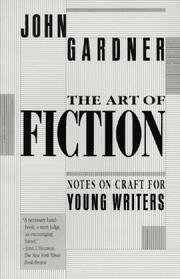
Gardner's concept of the 'fictional dream' and his analysis of how prose rhythm and detail create immersive reality is essential for understanding why horror's atmosphere lives or dies at the sentence level.
Learning from the Masters
IntermediateStudy how canonical horror writers actually execute their craft by reading their work analytically alongside their own reflections on writing.
▸ Study plan for this stage
Pace: 4–5 weeks, ~40–50 pages/day. Week 1–2: "On Writing" (approximately 300 pages); Week 3–5: "Poe's Children" (approximately 400 pages, with analytical rereading of key stories).
- King's philosophy of 'write with the door closed, rewrite with the door open'—balancing raw creativity with ruthless revision and reader awareness
- The primacy of character and emotional truth over plot mechanics in horror—how fear emerges from what readers care about, not just external threats
- Straub's concept of the 'Poe tradition' as a lineage of psychological horror, atmosphere, and moral ambiguity rather than gore or jump scares
- Narrative voice and perspective as tools for building dread—how first-person, unreliable narrators, and shifting viewpoints manipulate reader trust and fear
- The craft of pacing and restraint: what you don't show is often more terrifying than what you do; the power of implication and silence
- How canonical horror writers use genre conventions (gothic tropes, supernatural elements, psychological breakdown) as vehicles for exploring real human anxieties and social themes
- The relationship between the writer's own fears and obsessions and the authenticity of horror—King and Straub's personal investment in their material
- What does King mean by writing 'with the door closed' versus 'with the door open,' and how does this principle apply specifically to horror writing?
- How do the short stories in 'Poe's Children' demonstrate Straub's argument about the Poe tradition? Identify at least two stories and explain what makes them 'Poe-like' in their approach to horror.
- Compare King's and Straub's views on the role of character emotion in generating fear. What examples from their work (or their reflections on it) support each writer's approach?
- Analyze the narrative technique in at least one story from 'Poe's Children.' How does the choice of narrator or perspective serve the horror effect?
- What does King identify as the relationship between his own life experiences and fears and the horror he writes? How does this principle apply to understanding Straub's work?
- Explain the difference between restraint and revelation in horror writing, using specific examples from 'On Writing' and 'Poe's Children.'
- Read King's 'On Writing' (Part I and II) and annotate passages where he discusses fear, character, and revision. Create a one-page synthesis of his core writing philosophy.
- Select three short stories from 'Poe's Children' and write a 2–3 page analytical essay on how each demonstrates Straub's definition of the Poe tradition. Focus on atmosphere, moral ambiguity, and psychological depth.
- Reread one story from 'Poe's Children' and map its narrative perspective and pacing. Note where the author withholds information, where tension builds, and where the climax lands. Annotate the 'why' behind each choice.
- Write a 500-word reflection on a personal fear or obsession of your own. Then outline how you would transform it into a horror story using King's principle of emotional authenticity and Straub's emphasis on psychological complexity.
- Compare King's revision process (as described in 'On Writing') with the finished stories in 'Poe's Children.' Hypothesize what Straub's revision priorities might be based on the final prose—economy of language, character consistency, atmospheric layering, etc.
- Write a short scene (500–750 words) featuring a character in a moment of psychological unease or dread. Deliberately use restraint: show no supernatural or external threat, only the character's internal experience. Revise once using King's 'door open' principle—read it as a reader would and cut anything that doesn't serve the mood.
Next up: This stage equips you with both the theoretical framework (King's explicit craft lessons) and the practical models (Straub's executed stories) to understand how master horror writers generate fear through character, voice, and restraint—preparing you to apply these principles in your own writing or to analyze horror works more deeply in subsequent stages.
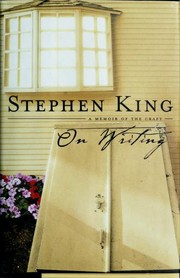
King's memoir-craft hybrid is indispensable — read here (after Danse Macabre) for his specific advice on description, dialogue, and the 'what if' engine that drives horror premises.

Straub's landmark anthology of contemporary horror and dark fiction shows you the full range of what the modern form looks like — essential reading as a writer to see how today's best practitioners execute tone, voice, and structure.
Advanced Craft: The Deeper Darkness
ExpertInternalize the subtler, harder craft elements — subtext, the uncanny, psychological complexity, and the use of language itself as an instrument of dread.
▸ Study plan for this stage
Pace: 8–10 weeks, ~25–30 pages/day, with 1–2 weeks per book for deep engagement and reflection
- Worldbuilding as psychological space: how setting and atmosphere become extensions of character fear and internal states (VanderMeer)
- The distinction between the Weird (violation of natural law) and the Eerie (absence, wrongness, surveillance) as foundational horror modes (Fisher)
- Subtext and implication: what is *not* said creates dread more effectively than explicit description (Le Guin, Fisher)
- Sentence-level craft: rhythm, syntax, and word choice as instruments of unease and pacing (Le Guin)
- The uncanny as estrangement: making the familiar strange through precise observation and subtle distortion (VanderMeer, Fisher)
- Psychological complexity in horror: characters as unreliable narrators and vessels for reader anxiety (Fisher, Le Guin)
- Restraint and negative space: the power of what remains hidden or unresolved (Fisher, Le Guin)
- What is the difference between the Weird and the Eerie, and how does each create distinct emotional effects in horror fiction?
- How can a writer use sentence structure, pacing, and word choice to create a sense of dread without relying on gore or explicit horror imagery?
- What role does subtext play in horror, and how can implication be more effective than direct description?
- How does worldbuilding function as a psychological space that reflects or amplifies character fear in horror narratives?
- What makes a character psychologically complex in horror, and how can unreliable narration deepen reader unease?
- How does the principle of restraint and negative space apply to horror writing, and what is lost when a writer over-explains or over-describes?
- Read and annotate 2–3 passages from each book that exemplify subtext or implication; rewrite one passage adding explicit description and compare how the effect changes
- Write a 500-word scene set in a familiar location (home, office, street) that makes it feel subtly wrong or uncanny through precise sensory details and syntax alone—no supernatural elements required
- Analyze a horror short story (not in the curriculum) using Fisher's Weird/Eerie framework; identify which mode dominates and how it shapes the reader's emotional response
- Revise a previous horror piece focusing on sentence-level craft: vary rhythm, cut redundant adjectives, use active voice strategically, and read aloud to feel the pacing
- Create a character study of an unreliable narrator in horror; write two versions of the same scene from their perspective, one where they're aware of their unreliability and one where they're not
- Write a 300-word horror scene using only dialogue and minimal action tags; rely entirely on what characters *don't* say and the silences between them to create dread
Next up: This stage equips you with the theoretical and technical foundations to recognize and deploy subtle horror craft; the next stage will challenge you to synthesize these elements into a complete, polished work that demonstrates mastery of psychological complexity, linguistic precision, and atmospheric depth.
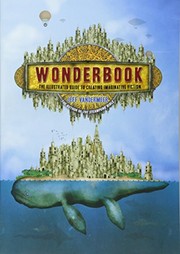
A visually rich, intellectually demanding guide to weird and speculative fiction craft that pushes into the uncanny, the strange, and the transgressive — essential for horror writers who want to move beyond formula into genuinely unsettling territory.

Fisher's philosophical analysis of the two dominant modes of literary horror gives advanced writers a precise critical lens — understanding the difference between the weird and the eerie transforms how you construct your own narratives of dread.
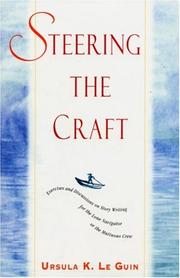
Le Guin's focused, rigorous exercises in prose technique are the final tool — horror ultimately lives in the sentence, and her work on rhythm, voice, and point of view will sharpen the instrument you use to deliver fear.
Discussion
Keep reading
Paths that share books, cover the same subject, or open a related topic.