The Divine Comedy is one of the most rewarding poems ever written and one of the easiest to bounce off. It assumes a medieval world of theology, politics and personal grudges most modern readers do not carry. Read cold, the allusions pile up; read with a little scaffolding, it becomes gripping, funny and profound. Order is everything here.
This path front-loads context and biography, guides you through the three canticles in a strong facing-page translation, then adds the criticism that pays off on a second reading. Take it in sequence and Dante stops being an assignment and becomes an experience.
Before the poem
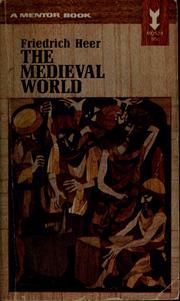
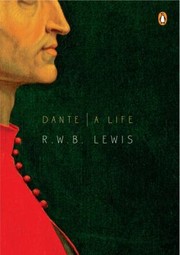
Start with The medieval world, which rebuilds the mental universe Dante inhabited, so his cosmology and politics feel native rather than strange. Then read Dante A Life to meet the exiled, embittered, dazzlingly ambitious man behind the poem. With the world and the writer in view, the poem's local references become legible.
The journey itself
Now the poem, in order, in the Hollander translation prized for its clarity and notes. Inferno is the famous descent, vivid and grotesque and instantly compelling. Purgatorio is the human middle, all effort and hope, where most readers form their deepest attachment. Paradiso is the hardest and most radiant, a poem of light and increasing abstraction. Reading the three in sequence, with the notes, is the whole point: the ascent only means something if you have made the descent first.
Deepening the reading
Afterward, the critics repay you. Dante's Divine comedy offers a working overview, and Reading Dante is a superb modern companion for the general reader. For the poet's own art, Dante gathers Eliot's influential appreciation, while Dante's poets and The undivine Comedy dig into how Dante positions himself among his forebears and remakes narrative. These are best after a first full read, when you know what the arguments are about.
Follow the full path in order to give the Comedy the running start it deserves.
Follow the full reading path →
Ready to learn something deeply?
Build a reading path — free