Irish literature is a case study in how a national tradition can remake world writing. In a few decades it moved from the mythic revival to the most radical experiments of modernism, and it kept renewing itself through poetry, drama and fiction. Reading it in order shows both the local roots and the global reach.
The path starts with the founders of a self-conscious Irish voice, passes through the modernist explosion, and lands in the living present. Each stage makes the next make sense.
The revival
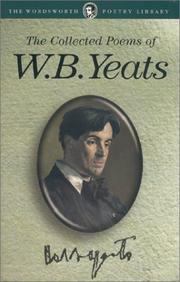
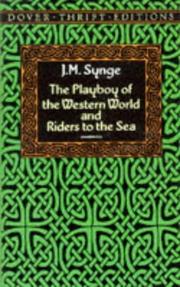
Begin with The Collected Poems of W. B. Yeats, the towering body of work that gave modern Ireland its mythic language and its ambition. Pair it with Synge's The playboy of the western world, the play whose earthy portrait of rural Ireland caused riots and proved a national theatre could provoke as well as celebrate.
Joyce and the modernist leap
Then comes Joyce, and everything changes scale. Dubliners is the natural entry, fifteen precise stories of paralysis and epiphany. A Portrait of the Artist as a Young Man follows one consciousness into being, and Ulysses rebuilds the novel from the ground up around a single Dublin day. Reading them in this order is the gentlest way into the most demanding book on the path. Beckett then strips language further: Murphy is his comic early novel, Waiting for Godot his stark theatrical masterpiece, and Molloy pushes prose toward pure voice.
The contemporary voice
Seamus Heaney returns poetry to the soil and the political present, from the rooted early work of Death of a naturalist to the Troubles-haunted North. Fiction stays fearless: McCabe's The butcher boy is a darkly comic descent into a fracturing mind, and Rooney's Normal People proves the tradition is still alive, mapping intimacy for a new generation. In order, the path runs from myth to the mobile phone without losing its nerve.
Follow the full path in sequence to see a small country reshape modern literature.
Follow the full reading path →
Ready to learn something deeply?
Build a reading path — free