The Romantic poets are easy to love and easy to misread. Read in isolation, the poems can float free of the revolutions, friendships and grief that produced them. The best way in is to alternate the verse with strong biography and clear-eyed criticism, so the ideas gain flesh and context.
This path builds that scaffolding. Start with an anthology and a critical guide, then live inside the great lives, then step back to the big interpretive frames. In order, a diffuse movement becomes a company of distinct, contradictory people.
Getting your bearings
Begin with English Romantic Writers, a comprehensive anthology that puts the primary texts in one place and lets you read widely before you specialize. Then The Romantic Poets: A Guide to Criticism orients you in the debates, so you know which arguments you are walking into. Together they give you the map and the legend.
The lives
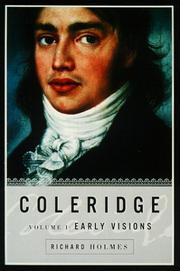
Now the biographies, which are where Romanticism comes alive. Wordsworth traces the poet of memory and landscape at the movement's foundation. Coleridge follows his brilliant, addicted collaborator. Blake, prophet against empire reads the visionary against his revolutionary age. Then the second generation: Keats on the short, luminous life; Shelley the Pursuit on the radical idealist; and Byron on the celebrity rebel who exported Romanticism to Europe. Read as a sequence, these lives keep crossing, and the movement's web of influence becomes tangible.
The big frames
Finally, step back to interpretation. The visionary company is the classic overview of Romantic imagination as a unified project, while Romanticism and Gender reopens the canon to ask who was left out and what that omission cost. Ending here keeps you from mistaking the standard six names for the whole story.
Follow the full path in order to move from the poems, to the people, to the arguments that still shape how we read them.
Follow the full reading path →
Ready to learn something deeply?
Build a reading path — free