Writing romance: an ordered reading path to the craft of the love story
This curriculum takes you from the foundational mechanics of storytelling and romance structure all the way through advanced craft techniques like emotional pacing, heat levels, and market-savvy trope execution. Each stage builds directly on the last — you'll first learn how stories work, then how romance works specifically, then how to deepen emotional resonance and tension, and finally how to write with a professional, sellable voice.
Story Foundations
BeginnerUnderstand the universal building blocks of compelling storytelling — structure, character motivation, and scene construction — before applying them to romance specifically.
▸ Study plan for this stage
Pace: 4–5 weeks, ~40–50 pages/day (approximately 350 pages total; McKee's dense prose requires slower, deliberate reading with note-taking)
- Story structure as the architecture of meaning: how acts, sequences, and scenes organize cause-and-effect to create emotional impact
- Character motivation and the gap between desire and need: why characters pursue surface goals while deeper psychological needs drive authentic drama
- Inciting incident and turning points: how external events collide with character psychology to force change and propel narrative forward
- Scene construction: the anatomy of a scene (setup, conflict, revelation) and how each scene must shift the balance of power between protagonist and antagonistic forces
- The principle of 'no scene without purpose': every scene must advance plot, deepen character, or both—applied rigorously to avoid filler
- Dialogue as subtext and revelation: how what characters say (and don't say) reveals motivation, conflict, and emotional truth
- Genre conventions and audience expectations: understanding how story principles apply universally while genre shapes specific emotional contracts with readers
- What is the relationship between a character's conscious desire and their deeper need, and why does this gap create compelling drama?
- How does McKee define the inciting incident, and why must it disrupt the protagonist's status quo in a way that cannot be ignored?
- Describe the anatomy of a well-constructed scene: what must happen in setup, conflict, and revelation for a scene to earn its place in a story?
- What is subtext in dialogue, and how does it differ from exposition? Give an example of how subtext reveals character motivation.
- How do turning points differ from the inciting incident, and what role do they play in escalating conflict across the three acts?
- Why does McKee argue that character motivation must be rooted in psychology rather than plot convenience, and what happens to a story when this principle is violated?
- Scene deconstruction: Select a scene from a published novel (any genre). Identify its setup, conflict, and revelation. Note what changes in the balance of power by scene's end. Write a paragraph explaining why this scene earns its place in the story.
- Character motivation audit: Choose a character from a film or novel. List their surface desire (what they say they want) and their deeper need (what they actually need to learn/become). Write 2–3 paragraphs on how the gap between these two drives their arc.
- Inciting incident analysis: Find the inciting incident in a published story. Describe what status quo it disrupts and why the protagonist cannot simply ignore it or return to normal. Explain how it sets up the central conflict.
- Dialogue subtext exercise: Write a 1–2 page scene where two characters have a surface conversation (about weather, plans, logistics) but the subtext reveals tension, desire, or hidden motivation. Underline the subtext-carrying lines.
- Three-act structure mapping: Outline a story you know well (film, novel, or short story) by identifying Act One (setup + inciting incident), Act Two (rising action + midpoint + escalation), and Act Three (climax + resolution). Note how turning points propel movement between acts.
- Scene construction practice: Write an original scene (1–2 pages) that follows McKee's anatomy: clear setup establishing stakes, conflict that shifts the balance of power, and a revelation that changes what the character or reader understands. Annotate where each element occurs.
Next up: Mastering these universal story principles—structure, character motivation, and scene craft—provides the technical foundation necessary to understand how romance specifically weaponizes these tools to create emotional intimacy and the unique satisfaction of the genre.
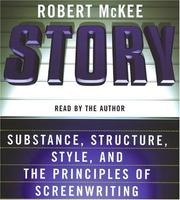
McKee's breakdown of structure, conflict, and character desire gives you the essential vocabulary of storytelling that every romance craft book assumes you already know. Read this first to build your analytical foundation.
Romance Structure & the Genre Blueprint
BeginnerLearn what makes romance a distinct genre — the obligatory emotional arc, the HEA/HFN promise, core tropes, and how to structure a love story from meet-cute to resolution.
▸ Study plan for this stage
Pace: 4–5 weeks, ~25–30 pages/day (approximately 150–180 pages total across both books)
- The emotional arc as the spine of romance: the journey from emotional isolation/vulnerability to emotional intimacy and commitment
- The Happily Ever After (HEA) and Happily For Now (HFN) promises: what readers expect and how they define genre success
- Core romance tropes (meet-cute, forced proximity, enemies-to-lovers, etc.) and their structural function in creating conflict and connection
- The three-act structure applied to romance: setup (meeting and attraction), confrontation (obstacles and deepening intimacy), and resolution (commitment and HEA/HFN)
- Character development through relationship: how protagonists must change emotionally, not just fall in love
- Tension and pacing: balancing external plot with internal emotional stakes to maintain reader investment
- Subgenre conventions and reader expectations: how different romance categories (contemporary, historical, paranormal) modify the core blueprint
- What is the difference between a love story and a romance novel, and how does the emotional arc define the genre?
- What is the HEA/HFN promise, and why is it essential to reader satisfaction in romance?
- Name and describe at least four common romance tropes, and explain how each one creates both connection and conflict between characters.
- How would you structure a romance novel using the three-act framework, and where do the key emotional turning points occur?
- What internal emotional journey must your protagonist undergo, and how does it intersect with the external romantic plot?
- How do you maintain tension and pacing in a romance when the reader knows the couple will end up together?
- Read and annotate the chapters on genre definition and the emotional arc in both Grant and Michaels; create a one-page summary of what makes romance distinct from other genres.
- Identify and analyze the HEA/HFN promise in three published romance novels of different subgenres; write a paragraph explaining how each one fulfills (or subverts) reader expectations.
- Map out the three-act structure of a published romance you admire, marking the meet-cute, inciting incident, midpoint crisis, black moment, and resolution on a timeline.
- Create a trope matrix: list 6–8 romance tropes, then for each one, write how it creates attraction AND how it creates conflict between the protagonists.
- Outline a short romance premise (2–3 pages) that includes: character introductions, the inciting incident, at least two major obstacles, the black moment, and the HEA resolution.
- Write a character emotional arc worksheet for a protagonist: their emotional wound/vulnerability at the start, how the relationship challenges them, and how they transform by the end.
Next up: This stage establishes the foundational blueprint and reader contract of romance, preparing you to move into character development and emotional depth—where you'll learn to craft protagonists whose internal wounds and growth are as compelling as their love story.
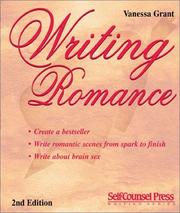
A clear, practical introduction to the romance genre's specific conventions, reader expectations, and structural requirements — the ideal first genre-specific text after your story foundations.
Michaels walks through the romance novel beat by beat, covering character chemistry, conflict types, and the emotional turning points unique to the genre, reinforcing and expanding on Grant's overview.
Tension, Conflict & the Romantic Arc
IntermediateMaster the engine of romance: sustained romantic tension, layered internal and external conflict, and the push-pull dynamic that keeps readers turning pages.
▸ Study plan for this stage
Pace: 4–5 weeks, ~25–30 pages/day. Week 1–2: "Romancing the Beat" (Hayes' beat sheet and romantic tension framework). Week 3: Transition and review. Week 4–5: "The Art of Fiction" (Gardner's craft principles applied to romance structure).
- The beat sheet as a tension-management tool: how Hayes' structure (Meet Cute, Turning Point, Midpoint, Dark Moment, Climax) sustains romantic momentum
- Internal vs. external conflict: using Gardner's craft principles to layer character wounds with plot obstacles that prevent easy resolution
- The push-pull dynamic: how attraction and resistance create forward momentum and keep readers invested in the outcome
- Emotional escalation: structuring scenes so that each beat raises the stakes and deepens the romantic tension
- Character agency in conflict: ensuring both protagonists drive the conflict rather than being passive victims of circumstance
- Pacing tension across the full arc: Hayes' framework combined with Gardner's scene-craft to avoid sagging middles and maintain reader engagement
- How does Gwen Hayes' beat sheet structure romantic tension across the full arc, and why is the Midpoint and Dark Moment critical to sustaining reader investment?
- What is the difference between internal and external conflict in romance, and how do they interact to create the push-pull dynamic that keeps readers turning pages?
- How can you use John Gardner's principles of scene construction and character interiority to deepen romantic tension within individual scenes?
- What makes a conflict feel earned and inevitable rather than contrived, and how do you avoid resolving tension too early in the arc?
- How do you balance character agency with genuine obstacles—ensuring both protagonists actively drive the conflict while facing real resistance?
- How does emotional escalation work across beats, and what techniques can you use to ensure each scene raises the stakes rather than treading water?
- Map a romance you've written (or a published romance) onto Hayes' beat sheet, identifying exactly where the Meet Cute, Turning Point, Midpoint, Dark Moment, and Climax occur. Note where tension peaks and where it dips.
- Write a 500-word scene that introduces both internal conflict (a character's fear or wound) and external conflict (an obstacle to the relationship) simultaneously, using Gardner's techniques for showing interiority and sensory detail.
- Take a 'push' moment (attraction, vulnerability, connection) from a published romance and rewrite it as a 'pull' moment (resistance, doubt, withdrawal). Then write both back-to-back to see how the dynamic creates tension.
- Analyze a romance's Midpoint scene from a published book: identify what emotional truth is revealed, what external complication arises, and how both prevent the characters from taking the easy path to resolution.
- Write the Dark Moment of your own romance, ensuring it stems directly from both characters' internal conflicts and the external plot, not from coincidence or misunderstanding alone.
- Create a tension map for a 3-chapter sequence: chart the emotional intensity, the nature of the conflict (internal vs. external), and the push-pull dynamic on a graph to identify pacing issues and opportunities for escalation.
Next up: This stage equips you with the structural and craft tools to sustain romantic tension across a full arc; the next stage will focus on dialogue, emotional authenticity, and the specific techniques for making readers feel the characters' desire and vulnerability on the page.

Hayes distills the romance novel into a precise beat sheet tailored to the genre's emotional logic — essential for understanding why tension rises and falls the way it does in a love story.
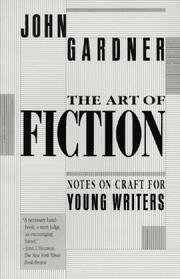
Gardner's deep exploration of fictional dream, scene texture, and the moment-to-moment experience of prose sharpens your ability to sustain tension at the sentence level, not just the plot level.
Character Chemistry, Tropes & Heat
IntermediateDevelop nuanced, irresistible protagonists, learn to deploy and subvert popular tropes with intention, and understand how to calibrate heat levels for your target readership.
▸ Study plan for this stage
Pace: 6–8 weeks, ~25–30 pages/day, with 1–2 days per week for exercises and reflection
- Creating protagonists with compelling internal conflicts and emotional depth that drive reader investment
- Understanding archetypal character patterns and how to subvert tropes intentionally rather than defaulting to clichés
- The mechanics of sexual tension and chemistry: pacing, obstacles, and emotional stakes that make attraction feel earned
- Heat level calibration: matching explicit content to reader expectations, genre conventions, and story purpose
- Using character wounds, desires, and contradictions to generate authentic conflict and chemistry between leads
- The role of the hero/heroine archetype framework in creating memorable, nuanced protagonists
- Deploying tropes as tools with intention—recognizing when to honor, subvert, or deconstruct reader expectations
- What is the difference between a protagonist with a breakout quality and one who feels generic, and how do internal conflicts create that distinction?
- How can you intentionally subvert a romance trope without abandoning the emotional payoff readers expect?
- What creates genuine chemistry between characters—and how do you build it on the page through dialogue, action, and emotional vulnerability?
- How do you determine the appropriate heat level for your target readership, and what narrative purpose does explicit content serve beyond titillation?
- Which character archetypes (from the hero/heroine framework) best suit your protagonists, and what happens when you combine or invert them?
- How do a character's wound, desire, and fear interact to create both internal conflict and interpersonal tension with the love interest?
- Audit your protagonist's internal conflict: Write a 2-page character breakdown identifying their core wound, surface desire, and deeper need—then trace how these create friction with the love interest
- Trope deconstruction: Choose one romance trope you plan to use. Write two 1-page scenes—one playing it straight, one subverting it—and reflect on which serves your story better
- Chemistry scene workshop: Write a 3–4 page scene between your protagonists with zero physical contact, relying entirely on dialogue and emotional stakes to generate tension
- Heat level audit: Identify 3–4 published romances in your target subgenre and categorize their heat levels. Then write a 1-page scene at each level (fade-to-black, closed-door, moderate, explicit) and determine which aligns with your story's voice
- Archetype mapping: Using the hero/heroine framework, identify which primary and secondary archetypes fit each protagonist. Write a 1-page analysis of how their archetypal combination creates or complicates chemistry
- Breakout quality inventory: List 5–7 distinctive traits, contradictions, or vulnerabilities in your protagonist that make them memorable. Draft a pitch paragraph that leads with these qualities rather than plot
Next up: This stage equips you with the character and emotional architecture needed to sustain a compelling romance arc; the next stage will focus on plot structure, pacing, and the technical craft of weaving character development seamlessly through the three-act framework.
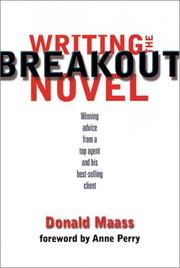
Maass's framework for raising stakes and deepening character complexity directly translates to writing romance leads readers obsess over — this is where your hero and heroine become unforgettable.

A landmark essay collection by top romance authors examining why romance tropes work psychologically and culturally — gives you the intellectual tools to use tropes purposefully rather than by accident.

Cowden's archetype system gives you a practical toolkit for building romantic leads with distinct, clashing personalities that generate natural chemistry and conflict — read after Maass to apply his stakes-raising to specific character types.
Voice, Market & the Sellable Love Story
ExpertDevelop a distinctive authorial voice, understand the commercial romance market and its subgenres, and revise your work to meet professional publication standards.
▸ Study plan for this stage
Pace: 5–6 weeks, ~40–50 pages/day (approximately 2 weeks per book, with overlap for revision and application)
- Authentic authorial voice as the foundation of publishable work—King's emphasis on writing what you know and reading obsessively to develop your ear
- The commercial romance market structure: subgenres, reader expectations, and how to position your work competitively
- Story structure and emotional beats specific to romance: Save the Cat's framework adapted for love stories and relationship arcs
- Character development that serves both voice and market—creating protagonists readers invest in emotionally
- Revision as a craft discipline: King's approach to cutting and rewriting, applied to romance manuscript polish
- The intersection of commercial viability and artistic integrity—writing romance that sells without compromising voice
- How does Stephen King define 'voice' and what specific practices does he recommend for developing and protecting your authentic voice as a writer?
- What are the major romance subgenres (contemporary, paranormal, historical, etc.) and what are the distinct reader expectations and market dynamics for each?
- How does Save the Cat's story structure (the 15 beats) apply specifically to romance novels, and where do the key emotional turning points occur in a love story?
- What is the relationship between your authorial voice and commercial marketability—can you write a romance that is both commercially viable and distinctly 'yours'?
- How would you revise a romance manuscript using King's editing principles (cutting unnecessary material, deepening character voice, tightening prose)?
- How do you position your romance manuscript in the market—what subgenre does it belong to, who is your reader, and what comparable titles support your positioning?
- Read 3–4 published romance novels across different subgenres (contemporary, paranormal, historical) and analyze how each author's voice differs; note dialogue patterns, narrative distance, and thematic preoccupations unique to each
- Write a 2–3 page 'voice statement' for your romance project: describe your protagonist's voice, your narrative voice, the emotional tone, and how these differ from comparable published romances
- Map your romance manuscript (or a scene in progress) onto Save the Cat's 15-beat structure; identify where your key turning points fall and whether they align with reader expectations for your subgenre
- Conduct a 'voice audit' of your manuscript: select 5 pages and mark every sentence that sounds generic or market-driven rather than authentically yours; rewrite these passages to strengthen your voice
- Research and create a 'market positioning document' for your romance: identify your subgenre, list 5 comparable titles, describe your target reader, and articulate what makes your book unique in that market
- Revise one chapter of your manuscript using King's editing approach: cut at least 10% of the prose, deepen character voice in dialogue and interiority, and tighten any purple prose or clichéd romance language
Next up: This stage equips you with both the craft tools (structure, voice, revision discipline) and market awareness needed to position your romance manuscript professionally; the next stage will focus on the practical submission process, agent querying, and navigating the publishing industry with a polished, market-ready manuscript.
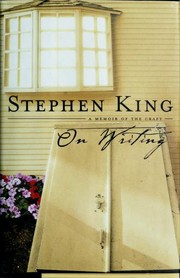
King's memoir-meets-craft-manual is the gold standard for developing an authentic, unguarded voice — the quality that separates a competent romance from one readers recommend to everyone they know.

Brody adapts the proven Save the Cat beat sheet to prose fiction, giving you a final, market-tested structural lens to audit your completed romance manuscript before submission or self-publishing.
Discussion
Keep reading
Paths that share books, cover the same subject, or open a related topic.