Japanese home cooking: the best books for everyday washoku
This curriculum starts with the absolute building blocks of Japanese home cooking — dashi, rice, miso, and pantry staples — then layers on everyday meal types like ramen, donburi, and pickles, before arriving at a confident, well-rounded home cook's repertoire. Each stage assumes the vocabulary and techniques of the one before it, so reading in order is essential to avoid confusion and build real intuition.
Foundations: The Japanese Pantry & Core Techniques
BeginnerUnderstand the essential building blocks of Japanese home cooking — dashi, rice, miso, soy sauce, and mirin — and feel comfortable stocking a Japanese pantry and executing basic techniques.
▸ Study plan for this stage
Pace: 6–8 weeks, ~25–30 pages/day (alternating between both books; start with "Japanese Farm Food" for context, then "The Japanese Kitchen" for technique depth)
- Dashi as the foundation: understanding kombu, bonito, shiitake, and how to brew each type correctly
- Rice selection, washing, and cooking methods—the centerpiece of every Japanese meal
- Miso varieties (white, red, awase) and their roles in soups, marinades, and seasoning
- Soy sauce grades and applications: shoyu vs. tamari, and when to use each
- Mirin types (hon-mirin, ama-koji, shio-koji) and their sweetening/umami functions
- Building a functional Japanese pantry: essential ingredients, storage, and substitutions
- Core knife skills and cutting techniques (julienne, bias cuts, proper vegetable prep)
- Seasoning balance: the interplay of salt, sweetness, acid, and umami in Japanese cooking
- What are the four main types of dashi, and how do their flavor profiles differ? Which would you use for a delicate fish soup vs. a hearty vegetable broth?
- Explain the difference between hon-mirin and ama-koji mirin. How would you use each in a dish, and can you substitute one for the other?
- Why is rinsing rice important, and what happens to the texture if you skip this step?
- Describe the flavor and umami characteristics of three different miso varieties. Which miso would you choose for a summer soup vs. a winter miso soup?
- What is the relationship between soy sauce, mirin, and sugar in a typical Japanese glaze or sauce? How do these three ingredients work together?
- Walk through the proper technique for holding a Japanese knife and executing a basic julienne cut. Why does knife technique matter in Japanese cooking?
- Brew four separate batches of dashi (kombu, bonito, shiitake, and a combination) and taste them side-by-side. Note the color, aroma, and flavor intensity. Record which you prefer and why.
- Cook rice using the absorption method from 'The Japanese Kitchen.' Rinse, measure, and cook at least three times until you achieve consistent texture and can do it without consulting the book.
- Make three different miso soups using different miso pastes (white, red, and awase). Taste the differences and identify which miso contributes sweetness, depth, and umami.
- Practice knife cuts for 15–20 minutes daily for one week: julienne, bias cuts, and fine dice on carrots, daikon, and cucumbers. Aim for consistency in size and thickness.
- Create a simple glaze or sauce (such as teriyaki or nimono-style) using soy sauce, mirin, and sugar in different ratios. Taste and adjust to understand how each ingredient shifts the balance.
- Stock your pantry with the core ingredients from both books. Organize by type (dashi ingredients, fermented items, seasonings) and create a reference card noting storage conditions and shelf life.
Next up: Mastery of these foundational ingredients and techniques gives you the confidence and toolkit to move into actual dish preparation, where you'll apply dashi, rice, and seasoning knowledge to soups, braises, and complete meals.
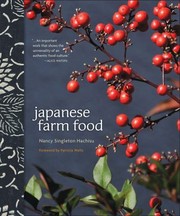
A warm, accessible entry point written by an American living on a Japanese farm; it demystifies everyday Japanese ingredients and simple preparations without overwhelming a beginner.
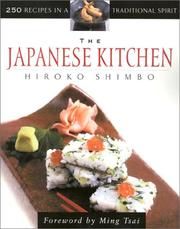
A thorough, beginner-friendly reference that explains dashi, miso, rice, and core pantry items in depth — read second to put names and context to everything encountered in the first book.
Everyday Meals: Rice, Soup & Simple Dishes
BeginnerCook a full range of simple, balanced daily Japanese meals — proper rice, miso soup, tamagoyaki, simmered vegetables, and basic fish and meat dishes — with confidence.
▸ Study plan for this stage
Pace: 6–8 weeks, ~20–25 pages/day plus 2–3 cooking sessions per week. Start with "Japanese Soul Cooking" (weeks 1–3), then move to "Everyday Harumi" (weeks 4–6), with overlap weeks for practice and refinement.
- The foundational role of properly cooked rice (donabe or pot method) as the centerpiece of every meal
- Miso soup technique: dashi stock preparation, miso dissolving, and seasonal ingredient pairing
- Tamagoyaki (rolled omelet) as a fundamental egg technique teaching heat control and folding
- Simmered vegetable dishes (nimono) using the principles of seasoning layers and cooking time
- Basic fish and meat preparations: grilling, pan-searing, and braising with Japanese seasonings (soy, mirin, sake)
- The Japanese meal structure: rice + soup + main protein + vegetable side + pickles, and how each component balances the plate
- Essential pantry staples: soy sauce, mirin, sake, dashi, miso, and how to select quality versions
- Seasonal awareness in ingredient selection and how it shapes daily meal planning
- How do you cook perfect Japanese rice, and why is the water-to-rice ratio and resting time critical?
- What are the steps to make dashi from scratch, and how does it differ from instant dashi in flavor?
- How do you properly dissolve miso into soup without destroying its beneficial enzymes and flavor?
- What is the technique for rolling tamagoyaki, and what heat level prevents it from browning too quickly?
- How do you build layers of flavor in a simmered vegetable dish, and what is the role of each seasoning?
- What is the structure of a balanced Japanese meal, and how do rice, soup, protein, and sides work together?
- How do you select and prepare a white fish or chicken for a simple grilled or pan-seared dish with soy-based glaze?
- What are the differences between everyday miso soup variations, and how do you adapt it seasonally?
- Cook rice using the donabe or pot method from 'Japanese Soul Cooking' at least 4 times, adjusting water and resting time until you achieve consistent texture
- Prepare dashi stock from kombu and bonito flakes; taste it side-by-side with instant dashi and note flavor differences
- Make miso soup 3 times using different seasonal vegetables (e.g., daikon, spinach, mushrooms) from recipes in both books
- Roll tamagoyaki 5 times, focusing on heat control and the folding technique; serve it as part of a full meal
- Prepare 2–3 simmered vegetable dishes (nimono) from 'Everyday Harumi,' such as kabocha squash or daikon, documenting the seasoning layers
- Grill or pan-sear a white fish (such as cod or sea bream) and a chicken thigh using the soy-mirin glaze method from 'Japanese Soul Cooking'
- Assemble and eat 4 complete Japanese meals (rice + soup + protein + vegetable side + pickle) using recipes from both books, noting how components balance
- Taste and compare 2–3 different miso varieties (white, red, awase) in soup to understand their flavor profiles and when to use each
Next up: This stage establishes the daily meal foundation and core techniques (rice, soup, basic proteins, vegetables) that will allow you to move into more refined preparations, seasonal menus, and entertaining dishes in the next stage.

Focuses on the comforting, unpretentious dishes real Japanese families eat every day; builds directly on pantry knowledge from Stage 1 and introduces donburi, ramen, and gyoza in an approachable way.

Japan's most beloved home-cooking author presents quick, balanced weeknight meals; reading her after Ono shows how the same staple ingredients are used with elegant simplicity.
Going Deeper: Ramen, Donburi & One-Bowl Meals
IntermediateMaster the one-bowl meal format central to Japanese home cooking — ramen broths, donburi rice bowls, udon, and soba — understanding how dashi and seasoning layers create depth.
▸ Study plan for this stage
Pace: 4–5 weeks, ~25–30 pages/day, with 2–3 cooking sessions per week
- Ramen broth as the foundation: long-simmered tonkotsu, shoyu, and miso broths and how cooking time, bone selection, and aromatics build umami depth
- Dashi fundamentals: kombu, bonito, shiitake, and niboshi stocks as the backbone of Japanese one-bowl meals and their flavor profiles
- Tare (sauce base) and seasoning layers: how concentrated flavor bases (shoyu, miso, salt) are balanced with broth to create complexity without heaviness
- Noodle selection and preparation: understanding how ramen, udon, and soba noodles interact with different broths and toppings
- Topping architecture: the role of chashu (braised pork), soft-boiled eggs, vegetables, and aromatics in creating textural and flavor balance
- The donburi format: how rice bowls with protein, sauce, and garnish follow similar seasoning and layering principles as ramen
- Technique and timing: mise en place, temperature control, and the importance of tasting and adjusting seasoning throughout cooking
- Home cooking adaptation: scaling restaurant techniques to home kitchens without specialized equipment
- What are the key differences between tonkotsu, shoyu, and miso ramen broths, and what ingredients and cooking times define each?
- How does dashi function in ramen and donburi, and what are the flavor characteristics of kombu, bonito, shiitake, and niboshi stocks?
- What is tare, how is it constructed, and why is the ratio of tare to broth critical to a balanced bowl?
- How do you make chashu (braised pork belly) and why is it a signature topping in ramen?
- What techniques does Orkin emphasize for achieving depth of flavor in a home kitchen without access to restaurant equipment?
- How do the principles of ramen broth construction apply to donburi bowls and other one-bowl meals?
- Make a basic dashi from kombu and bonito flakes; taste it plain, then compare it to store-bought dashi to understand the difference in depth and clarity
- Prepare a simple shoyu tare by combining soy sauce, mirin, sake, and aromatics; use it to season a light broth and evaluate balance
- Braise pork belly for chashu over 3–4 hours, documenting how the meat transforms and how the braising liquid develops flavor
- Prepare a tonkotsu-style broth using chicken or pork bones simmered for 6–8 hours; compare the color, mouthfeel, and umami to a quicker 2-hour broth
- Assemble a complete ramen bowl using homemade broth, tare, noodles, chashu, soft-boiled egg, and vegetables; evaluate the balance and identify what adjustments would improve it
- Make a donburi bowl (e.g., oyakodon or katsudon) and reflect on how the sauce, rice, and protein layering mirrors ramen construction principles
Next up: This stage establishes the technical and flavor foundations of one-bowl meals through deep dives into broth-making and seasoning, preparing you to explore regional variations, seasonal adaptations, and the broader context of Japanese home cooking in subsequent stages.

Orkin's detailed breakdown of ramen broth, tare, and toppings teaches the logic of layered Japanese flavors; it is the ideal bridge between basic dashi skills and complex one-bowl cooking.
Fermentation & Preservation: Pickles, Miso & Umami
IntermediateUnderstand Japanese fermentation and preservation — tsukemono pickles, homemade miso, and fermented condiments — and use them to add authentic umami depth to every meal.
▸ Study plan for this stage
Pace: 6–8 weeks, ~25–30 pages/day, with 1–2 weeks between books for practice and integration
- The science of fermentation: how salt, time, and microorganisms transform vegetables into pickles and condiments
- Koji and mold cultures as the foundation of miso, sake, and other Japanese fermented foods
- The role of umami (glutamates and nucleotides) in fermented foods and how fermentation amplifies it
- Traditional Japanese pickle methods (tsukemono): salt-curing, vinegar-based, and bran-bed (nuka) pickling
- Homemade miso production: ingredient selection, fermentation timelines, and flavor development across seasons
- Fermented condiments beyond miso: shio koji, amazake, and other umami-rich pastes and liquids
- How to taste, evaluate, and troubleshoot ferments at different stages
- Integrating fermented foods into daily cooking to build umami depth and complexity in dishes
- What are the key microbial and chemical processes that occur during fermentation, and how do salt and temperature control them?
- How does koji function in Japanese fermentation, and what role does it play in miso-making specifically?
- What is umami, where does it come from in fermented foods, and how does fermentation increase umami compounds?
- What are the main categories of Japanese pickles (tsukemono), and what are the defining characteristics and techniques of each?
- How do you make miso from scratch, what factors affect fermentation time and flavor, and how do you know when it's ready?
- What are shio koji and amazake, how are they made, and how can they be used in everyday cooking?
- How do you taste and evaluate a ferment in progress, and what signs indicate problems versus normal development?
- How can you use fermented condiments strategically in a meal to enhance umami and create more complex, satisfying dishes?
- Make a batch of simple salt-cured pickles (asazuke) using Hachisu's method; taste daily and document how flavor changes over 3–7 days
- Prepare a nuka bed (rice bran pickle bed) following Hachisu's instructions; maintain it for 2–3 weeks, pickling different vegetables and observing texture and flavor differences
- Brew a batch of shio koji using Hachisu's recipe; use it in 3 different dishes (soup, marinade, seasoning) and note how it transforms each one
- Make homemade miso using Hachisu's detailed instructions; set it aside to ferment for at least 6 months, but taste and document it at 1, 3, and 6 months to track flavor evolution
- Create a fermentation troubleshooting journal: as you work through Katz and Hachisu, document potential problems (mold, off-smells, texture issues) and their solutions
- Conduct a blind umami tasting: prepare three versions of a simple broth or soup—one with no fermented ingredients, one with miso, one with shio koji—and taste side-by-side to experience umami amplification
- Design a week of meals where fermented condiments are the primary flavor-builders; use miso, shio koji, and pickles intentionally in at least 5 dishes and reflect on how they change the eating experience
Next up: This stage equips you with the knowledge and hands-on skill to create and use fermented umami-builders, preparing you to move into the next stage where you'll learn to compose complete Japanese meals that leverage these fermented foundations alongside fresh ingredients, seasonal awareness, and balanced flavor profiles.

Provides the universal fermentation science and confidence needed before tackling Japanese-specific ferments; reading this first prevents common beginner mistakes with miso and pickles.
The definitive English-language guide to tsukemono, miso, and Japanese preservation; it builds directly on Katz's science and applies it to the specific Japanese techniques and ingredients already familiar from earlier stages.
Mastery: A Complete Japanese Home Cook's Repertoire
ExpertSynthesize everything into a fluent, creative Japanese home cooking practice — understanding the philosophy of ichiju sansai (one soup, three sides), seasoning by intuition, and cooking seasonally.
▸ Study plan for this stage
Pace: 8–10 weeks, ~40–50 pages/day, with 2–3 cooking sessions per week
- Ichiju sansai (一汁三菜) as the foundational structure of Japanese meals: one soup, three sides, and how this framework balances nutrition, flavor, and aesthetics
- Seasonal eating (kisetsuteki) and how to build menus around what's available in each season, using Hachisu's regional and seasonal recipes as a guide
- Intuitive seasoning and the relationship between salt, soy sauce, mirin, and dashi—moving beyond precise measurements to develop palate sensitivity
- The philosophy of simplicity and restraint (kanso) in Japanese cooking: letting ingredients speak for themselves rather than masking or over-complicating
- Vegetable-forward cooking techniques from Hachisu and how they apply to the broader Japanese home cooking canon presented in Tsuji
- Dashi as the backbone of Japanese flavor: understanding kombu, bonito, shiitake, and how to adjust dashi for different dishes and seasons
- Knife skills, cutting techniques (kirizumi), and how proper cuts affect both texture and visual presentation in a complete meal
- Building a Japanese home cook's pantry: essential ingredients, their qualities, and how to select and store them for year-round cooking
- How would you structure a complete Japanese meal using the ichiju sansai principle, and what role does each component play in creating balance?
- Describe how you would adjust your cooking approach and ingredient selection across the four seasons, using specific examples from Hachisu's seasonal recipes.
- What is the relationship between proper dashi preparation and intuitive seasoning? How do you know when a soup or broth is properly seasoned without relying solely on measurements?
- Explain the concept of kanso (simplicity) in Japanese cooking and how it differs from minimalism—what does it mean to let ingredients speak for themselves?
- How do knife cuts and presentation techniques contribute to the overall philosophy and aesthetics of a Japanese home-cooked meal?
- What are the core pantry staples a Japanese home cook needs, and how would you evaluate quality when selecting items like soy sauce, mirin, or kombu?
- Cook 8–10 complete ichiju sansai meals over the course of the stage, rotating through different seasons and using recipes from both Hachisu and Tsuji; photograph and document each meal, noting which components work well together and why
- Prepare three different dashi broths (kombu, bonito, shiitake) and taste them side by side; then use each in a different soup or dish to understand how dashi choice affects the final flavor profile
- Select one vegetable (e.g., daikon, eggplant, or kabocha) and cook it five different ways using techniques from Hachisu, documenting how cutting style and cooking method change the dish's character
- Spend one week cooking without measuring salt or soy sauce—instead, taste constantly and adjust by intuition; keep notes on what you learn about your palate and seasoning instincts
- Plan and execute a complete seasonal menu (appetizer through dessert if applicable) that reflects one season, sourcing ingredients at a farmers market or specialty grocer and explaining your choices
- Practice knife cuts for 15–20 minutes, 2–3 times per week, focusing on proper technique for julienne, rectangles, and diagonal cuts; apply these to actual dishes and observe how presentation improves
Next up: This stage transforms you from a recipe-follower into a creative, intuitive Japanese home cook who understands the underlying principles—positioning you to either deepen expertise in specialized areas (regional cuisines, advanced techniques, or kaiseki) or teach and adapt Japanese cooking to your own cultural context.

A comprehensive, authoritative collection of over 400 Japanese recipes spanning every category; at this stage it serves as both a capstone reference and a source of new challenges to push beyond the everyday.
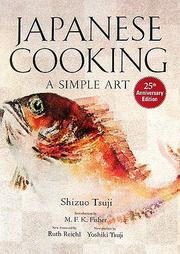
The canonical masterwork of Japanese culinary philosophy and technique; reading it last — once you already cook Japanese food — transforms it from an intimidating reference into a deeply resonant guide to understanding why Japanese cooking works the way it does.
Discussion
Keep reading
Paths that share books, cover the same subject, or open a related topic.