Growing Chili Peppers: The Best Books to Read, in Order
Chillies are the one vegetable where the growing and the eating cannot be separated, and this path follows that. It starts with getting a crop out of a first season — seed started early enough under lights, transplanted at the right soil temperature — then teaches the five domesticated Capsicum species so you know what you are actually growing, then moves to the reference works, seed saving and overwintering, and finishes with the pepper's own history in the Americas. Dave DeWitt appears repeatedly and unavoidably; he has written most of the useful books in English on the subject.
Get a crop this year
BeginnerStart seed early enough under lights, transplant at the right time, and harvest ripe pods from a first season
▸ Study plan for this stage
Pace: Two to three weeks of reading, but the timing matters more than the pace: read this stage in midwinter, eight to twelve weeks before your last expected frost, because that is when the sowing decisions in it have to be made. The Pepper Garden is 240 pages and the only one you need cover to cover. Sta
- Capsicum germination is temperature-driven, not calendar-driven: soil in the high 20s Celsius, bottom heat, and a much longer indoor start than tomatoes need
- The eight-to-ten-week head start under lights, and why leggy seedlings are a light-intensity problem rather than a watering one
- Transplant timing keyed to soil temperature and night minimums rather than to the last frost date alone
- Blossom drop and failed pod set in high heat — DeWitt's explanation of why a plant can look magnificent and fruit badly
- Spacing, staking and the fact that most chilli varieties want more room and more support than seed packets suggest
- The difference between a first-season goal (ripe pods off healthy plants) and an ambitious one (a specific variety grown true), and why the first is the only sane target
- How many weeks before your own last frost date should you sow, and what soil temperature does The Pepper Garden say germination actually needs?
- Why do chilli seedlings started on a windowsill usually fail, and what does Starting Seeds prescribe instead?
- What are the two or three conditions that cause flowers to drop without setting fruit, and which of them can you do anything about?
- How does a chilli plant's spacing and feeding differ from a tomato's, and why?
- Which pieces of advice in The Vegetable Gardener's Bible apply to chillies unchanged, and which does DeWitt override?
- Work backwards from your own last frost date using The Pepper Garden's timing and write the sowing date on a calendar. Do this before you buy anything; it is the single decision the whole first season turns on.
- Set up the seed-starting arrangement Starting Seeds describes — heat mat or equivalent bottom heat, lights close to the seedlings — and record daily germination counts for the first fortnight against the temperature you actually achieved.
- Sow one variety in two trays under different conditions, one with bottom heat and one without, and compare germination rate and speed. It is one packet of seed and it settles the argument for every future season.
- Keep a one-line-per-week log for the first plant from sowing to first ripe pod, noting transplant date, first flower and first set. Next winter this log is worth more than any book on this stage.
Next up: Once you have grown something successfully you will want to know what you actually grew, which is the point at which the species differences in the next stage stop being trivia and start determining what you sow.
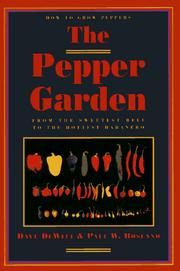
DeWitt and Paul Bosland's growing manual, and the single most useful book here for a first season — germination temperature, the long indoor start chillies need, spacing, and why pod set fails in heat. Read it before you buy seed.

The Storey guide to the part of chilli growing that actually defeats beginners: eight to ten weeks under lights before the last frost, with bottom heat. Short, specific, and it fixes the most common failure directly.
The general garden book to sit behind the specialist ones — beds, soil, watering and rotation. Read it if this is your first vegetable garden as well as your first chillies; skip it if it is not.
Know your species
BeginnerDistinguish the five domesticated Capsicum species, choose varieties deliberately, and understand where heat actually comes from
▸ Study plan for this stage
Pace: Two to three weeks, best read in late summer while your own plants are fruiting and you can hold a pod against a photograph. The Complete Chile Pepper Book is 336 pages and combines botany, variety descriptions and growing notes; read the botany and species chapters properly and treat the variety li
- The five domesticated species — annuum, chinense, baccatum, frutescens, pubescens — and the flower, seed and calyx characters that separate them
- Why species matters practically: chinense needs a longer season than annuum, and pubescens will not cross with either
- Capsaicin is produced in the placental tissue, not the seeds, and heat varies with growing conditions as well as genetics
- The Scoville scale and its limits, and why the same variety can test very differently between seasons
- Variety naming as chaos — the same pod sold under four names depending on region, which is the reason a field guide with photographs is necessary at all
- Choosing varieties by intended use — drying, fresh, fermenting, smoking — which is the argument Presilla's book makes better than either grower's book
- Given a plant in flower, what characters would you check to decide whether it is annuum or chinense?
- Where in the pod is the capsaicin actually produced, and what does that mean for anyone who has been removing the seeds to reduce heat?
- Why is a variety name a poor guide to what you are growing, and what does the field guide use instead?
- Which species on your own shortlist need the longest season, and does your climate actually supply it?
- Presilla organises chillies by region and use rather than by species. What does that arrangement show that a botanical arrangement hides?
- Take one ripe pod from your own plants and key it to species using The Complete Chile Pepper Book's characters — calyx, flower colour, seed colour. Write down the answer and the evidence.
- Cut a pod lengthways and identify the placental tissue against the field guide's photographs, then taste a scraping of placenta and a seed separately. This is the fastest possible correction to the seeds-are-the-hot-part belief.
- Pick three varieties from Peppers of the Americas that you would actually cook with, then look each up in The Field Guide to Peppers and note the species, days to maturity and heat range. That table is your seed order.
- Photograph each of your plants at flowering and at ripe pod, and file the photographs against the field guide's entry for what you believed you had sown. Discrepancies are common and worth catching before you save seed.
Next up: With the species distinctions in hand you will start hitting questions no narrative book answers — an obscure variety, a chemistry term, a regional name — which is what the reference stage exists for.

DeWitt and Bosland's Timber Press volume — the best modern combination of botany, hundreds of varieties, and growing instructions in one place. This is the book to own if you own one.

A pocket identification guide, photographed variety by variety with heat levels. Useful precisely because chilli names are chaotic — the same pod is sold under four names depending on where you are.

Presilla is a food historian and cook, and this is the most beautiful book on the list — chillies photographed and described as ingredients with regional identities. Read it here because it makes variety choice a decision about what you want to eat.
The reference shelf
IntermediateHave somewhere to look up a variety, a species question or a piece of chilli chemistry, and understand capsaicin properly
▸ Study plan for this stage
Pace: This stage is not read end to end and should not be scheduled that way. The Chile Pepper Encyclopedia is 338 pages of alphabetical entries — read the front matter and then use it as a dictionary. Jean Andrews's Peppers is the one genuine exception: it is 222 pages and it is a scholarly botanical mon
- The difference between a trade reference and a scientific monograph, which this stage makes concrete: DeWitt's encyclopedia collects what is said about chillies, Andrews establishes what a Capsicum is
- Andrews's species accounts and illustrations as the authoritative English-language treatment of the domesticated capsicums, with the herbarium and nomenclatural apparatus that implies
- Capsaicinoid chemistry beyond capsaicin — dihydrocapsaicin and the minor analogues, and why heat has a character as well as a magnitude
- The vocabulary of regional chilli cuisine, which the growing books use without defining and The Whole Chile Pepper Book supplies
- How to use a reference well: go in with a question, take the entry, and check it against the monograph when the answer matters
- Where the three books disagree, and the fact that a 1984 monograph and a 2003 encyclopedia will not always agree on nomenclature
- How does Andrews describe the boundary between two of the five domesticated species, and what evidence does she rest it on?
- Look up a single variety in the Encyclopedia and then in Andrews. What does each source give you that the other does not?
- What are the main capsaicinoids besides capsaicin, and why does their ratio matter to how a pod tastes?
- Pick three cooking terms from The Whole Chile Pepper Book that appeared unexplained in the earlier growing books. What do they mean?
- Where does the Encyclopedia's naming differ from Andrews's, and which would you trust for what?
- Read Andrews's account of one species — annuum is the obvious choice — and write a paragraph in your own words distinguishing it from chinense on botanical rather than culinary grounds. This is the hardest reading on the path and the paragraph is how you know you did it.
- Compile a one-page card for each of the three or four varieties you actually grow: species from Andrews, culinary use from The Whole Chile Pepper Book, and the Encyclopedia entry's alternative names. Keep it with the seed.
- Use the Encyclopedia to settle three arguments you have already had — a name, a heat claim, an origin story — and note which of the three it could not settle.
- Compare Andrews's painting of a species with the field-guide photographs from the previous stage. A botanical illustration is drawn to show diagnostic characters, and seeing the difference teaches you what to look for in the plant.
Next up: Reference in hand, the practical questions left are the ones that carry a crop past a single season — keeping the variety true, keeping the plant alive over winter, and doing something with the September glut.
Alphabetical, exhaustive, and the fastest way to settle an argument about a variety or a term. A lookup book rather than a read-through — treat it as the dictionary for the rest of the path.
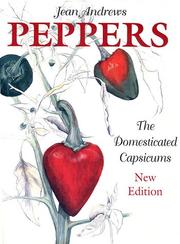
Published as Peppers: The Domesticated Capsicums and catalogued under the short title; the same work. Andrews was a botanical illustrator and this is the scientific monograph on the five domesticated species, with her own paintings. The most authoritative book here on what a Capsicum actually is.
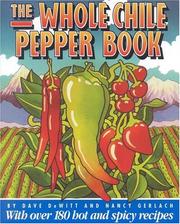
DeWitt's earlier and more cooking-weighted survey, strongest on regional New World chilli cuisines. Read it after the botany for the culinary vocabulary the growing books assume.
Seed saving, overwintering and the harvest
IntermediateSave true seed from your own plants, carry plants through a winter, and preserve a glut by fermenting, drying and smoking
▸ Study plan for this stage
Pace: Read this one in late summer, before the harvest rather than after it, because seed saving has to be planned while the plants are flowering. Seed to Seed is 320 pages and only its Capsicum section and its general isolation chapters are needed — perhaps two evenings. Fiery Ferments and The Hot Sauce
- Capsicum is largely self-pollinating but crosses readily with insect help, which is why saved seed goes off-type faster than gardeners expect
- Isolation by distance versus isolation by bagging or caging, and the numbers Seed to Seed actually gives for peppers
- Selecting the plant, not just the pod: seed saved from the earliest-ripening healthy plant is a selection decision made every year
- Overwintering a chilli as a perennial — hard prune, reduced water, cool bright storage — and the fact that a second-year plant fruits earlier than any seedling
- Lacto-fermentation as the flavour engine of a serious hot sauce, and the salt and brine basics the Shockeys establish
- Drying, smoking and vinegar preservation as the other three routes for a glut, and the point at which each is the right choice
- What isolation distance does Seed to Seed recommend for Capsicum, and what does it offer as an alternative if you cannot achieve it?
- Which plant would you take seed from and why — the heaviest cropper, the earliest, or the healthiest?
- What are the conditions a chilli plant needs to survive a winter indoors, and what does a successfully overwintered plant buy you in the following season?
- In Fiery Ferments, what is the salt concentration doing, and what goes wrong at too little and too much?
- Given ten kilograms of ripe pods in one week, how would you split them across fermenting, drying and smoking, and on what grounds?
- Bag or cage the flowers on one plant this season following Seed to Seed's method, save seed from it and from an unprotected plant of the same variety, and grow both out next year. The difference is the entire argument for isolation, demonstrated on your own windowsill.
- Overwinter one plant using the prune-and-hold method and keep a note of its first flower date next spring against your seedlings' first flower date.
- Make one ferment from Fiery Ferments and one vinegar or dried preparation from The Hot Sauce Cookbook using pods from the same harvest, and taste them side by side. The books argue implicitly for different traditions and this is how you adjudicate.
- Label and date every jar. The Shockeys' timings are guidance and your kitchen is not theirs; a season of dated jars is what turns their recipes into your method.
Next up: Having grown, identified, saved and preserved your own crop, the last stage answers the question the seed catalogue keeps raising — why a Mesoamerican plant is central to the cooking of Sichuan, Kerala and Hungary.
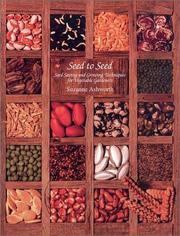
The standard seed-saving reference, and important for chillies specifically because Capsicum crosses readily — the isolation distances and bagging technique here are what keep a saved variety true.

The Shockeys on lacto-fermented hot sauces, pastes and krauts. The best answer to a September glut, and fermentation is where most of the flavour in a serious hot sauce comes from.

Walsh covers the drying, smoking and vinegar-based traditions the fermentation book does not, plus the history of the American hot sauce industry. Read it last of the three for range.
Where the chilli came from
IntermediateUnderstand the domestication and global spread of Capsicum, and why the plant you are growing exists in the form it does
▸ Study plan for this stage
Pace: Two weeks, and the only stage with no gardening in it — read it in winter, between seasons. DeWitt's Chile Peppers is 376 pages of global history and is the substantial one. The Pepper Trail is 261 pages, by Jean Andrews again but written for a general reader rather than as botany, and is the lighte
- Domestication in Mesoamerica and South America, and the archaeobotanical evidence for how early it happened
- The Columbian exchange as the mechanism: chillies reached Asia and Africa within decades of 1492, carried on Portuguese and Spanish trade routes
- Why the plant was adopted so fast — it grows in poor soil, dries and stores well, and substituted for expensive black pepper
- The making of national cuisines that now seem ancient: Sichuan, Kerala, Hungary and West Africa all cook with a New World plant
- How landraces formed in each region, and why the seed catalogue reads like an atlas of that dispersal
- The gap between botanical origin and culinary identity, and Andrews's argument about how quickly the second detaches from the first
- Where and roughly when were the domesticated capsicums first cultivated, and what evidence establishes it?
- How did chillies reach South and East Asia, and how long did the journey take?
- Why did the chilli displace or supplement existing pungent spices in so many cuisines rather than being rejected as foreign?
- Pick one cuisine you cook from. What did it use before the chilli arrived, and what changed?
- Andrews and DeWitt cover much of the same ground. Where do they emphasise different things, and does either make a claim the other would dispute?
- Take the seed list you built in the reference stage and mark each variety's region of origin and the century in which chillies reached that region. The result is a small map of the Columbian exchange made out of your own garden.
- Cook one dish from a cuisine covered in these books using a variety that cuisine actually uses, then the same dish with a substitute. The difference is the argument these books are making about landraces, tasted rather than read.
- Trace one variety — a Hungarian paprika type or a Kerala type is easiest — from Mesoamerica to its present home using both books, and note where the two accounts differ.
- Write half a page on why the chilli succeeded where several other American domesticates did not. Both books supply the evidence; neither quite states the conclusion.
Next up: This closes the path. The obvious next step is not another book but a second season with a deliberate variety list, saved seed and an overwintered plant already in leaf.

Published in Reaktion's Edible series as Chile Peppers: A Global History and catalogued under the short title. A brief, well-sourced account of how a Mesoamerican domesticate reached Sichuan and Kerala within a century of 1492.
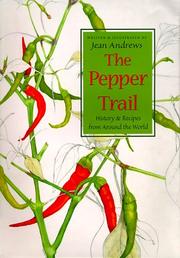
Andrews again, tracing the chilli's route out of the Americas and into the cuisines that now seem unimaginable without it. The right closing book: it explains why your seed catalogue reads like a world atlas.
Discussion
Keep reading
Paths that share books, cover the same subject, or open a related topic.