Growing tomatoes: the best books to grow bigger, tastier harvests
This curriculum takes a beginner tomato grower from first principles all the way to expert-level mastery across four carefully sequenced stages. Each stage builds on the last — starting with the full growing cycle, then diving into soil and plant health, then mastering pruning, staking, and variety selection, and finally tackling integrated pest and disease management for consistently bumper harvests.
Foundations: The Full Growing Cycle
BeginnerUnderstand the end-to-end process of growing tomatoes — from seed starting and transplanting to basic watering, feeding, and harvesting — so every later topic has a practical context.
▸ Study plan for this stage
Pace: 4–5 weeks, ~25–30 pages/day. Start with "Epic Tomatoes" (weeks 1–2, ~200 pages), then move to the relevant sections of "The Vegetable Gardener's Bible" (weeks 3–5, focusing on tomato-specific chapters and soil/watering fundamentals).
- The complete tomato lifecycle: seed germination, seedling development, transplanting, flowering, fruiting, and harvest timing
- Variety selection and how different tomato types (determinate vs. indeterminate, heirlooms vs. hybrids) affect your growing strategy
- Soil preparation and nutrient management—understanding pH, organic matter, and the role of nitrogen, phosphorus, and potassium in tomato growth
- Watering fundamentals: frequency, depth, and timing to prevent common problems like blossom end rot and cracking
- Basic feeding schedules and fertilizer types (organic vs. synthetic) and when to apply them during the growing season
- Transplanting techniques: hardening off seedlings, spacing, and planting depth to encourage strong root systems
- Recognizing ripeness and proper harvesting methods to maximize yield and flavor
- Common early-season challenges: damping off, leggy seedlings, and frost protection for young plants
- Walk through the entire tomato growing season from seed to harvest: what are the key milestones, and how long does each phase typically take?
- What is the difference between determinate and indeterminate tomatoes, and how does this distinction affect your watering, feeding, and pruning approach?
- Why is soil preparation critical before planting, and what specific amendments or pH levels does 'The Vegetable Gardener's Bible' recommend for tomatoes?
- Describe a proper watering schedule for tomatoes: how often, how deep, and what problems can arise from improper watering?
- What are the signs that a tomato is ripe and ready to harvest, and does ripeness differ between heirloom and hybrid varieties?
- How do you harden off seedlings, and why is this step essential before transplanting into the garden?
- Start seeds indoors (or source seedlings) and track germination and growth over 6–8 weeks; document height, leaf count, and any issues like legginess
- Prepare a garden bed or container by testing soil pH, amending with compost or organic matter per 'The Vegetable Gardener's Bible' guidelines, and recording baseline soil conditions
- Harden off seedlings over 7–10 days by gradually exposing them to outdoor conditions; photograph or journal the process and any stress responses
- Transplant seedlings into the garden or larger containers, burying them deeper than their original depth; measure spacing and note planting date
- Establish and follow a watering log for 4–6 weeks, recording date, time, depth, and any visible plant responses (wilting, cracking, disease)
- Create a simple feeding schedule based on the books' recommendations, apply it, and observe plant growth and fruit development over 8–10 weeks
Next up: This stage gives you the complete picture of a tomato's journey and the basic inputs it needs, preparing you to dive into specialized topics—like pest and disease management, advanced pruning and training, or variety-specific strategies—with confidence and practical context.

The perfect starting point: LeHoullier covers the full growing cycle in an accessible, enthusiastic way while introducing the astonishing world of tomato varieties, giving beginners both practical grounding and genuine excitement for the crop.
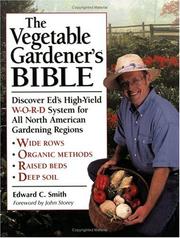
Establishes core vegetable-gardening vocabulary — raised beds, spacing, watering, and feeding — that underpins everything tomato-specific you will read next. Read this alongside or just after LeHoullier to solidify fundamentals.
Soil & Nutrition: Building the Foundation Below Ground
BeginnerUnderstand soil biology, fertility, compost, and watering principles so that tomato plants have the ideal root environment for vigorous, disease-resistant growth.
▸ Study plan for this stage
Pace: 8–10 weeks, ~25–30 pages/day (approximately 4–5 days per week). Start with "Teaming with Microbes" (weeks 1–5, ~200 pages), then "Weedless Gardening" (weeks 6–10, ~180 pages). Allow 1–2 weeks buffer for hands-on practice and reflection.
- Soil food web: bacteria, fungi, protozoa, and nematodes work together to make nutrients available to plant roots
- Mycorrhizal fungi form symbiotic relationships with tomato roots, extending nutrient uptake and improving disease resistance
- Compost and organic matter feed the soil ecosystem while improving soil structure, water retention, and aeration
- Nutrient cycling: how carbon, nitrogen, phosphorus, and potassium move through soil organisms and become plant-available
- Layering systems (no-dig/no-till gardening) build soil fertility over time while suppressing weeds and reducing labor
- Watering practices that support root health: consistency, drainage, and avoiding compaction
- Biological disease suppression: healthy soil ecosystems outcompete pathogens and reduce tomato diseases
- Mulching as a tool for moisture retention, temperature regulation, and feeding the soil food web
- Explain how the soil food web works: what role do bacteria, fungi, protozoa, and nematodes play in making nutrients available to tomato roots?
- What are mycorrhizal fungi, and why are they particularly important for tomato plant health and disease resistance?
- How does compost feed the soil ecosystem differently than synthetic fertilizers, and what happens to soil structure over time when you add compost regularly?
- Describe the no-dig/layering method from 'Weedless Gardening': what materials go into each layer, and why does this approach build soil fertility while suppressing weeds?
- How should you water tomatoes to support root health and avoid creating conditions that favor disease?
- What is biological disease suppression, and how does a healthy soil food web help prevent common tomato diseases?
- Build a compost pile or bin using kitchen scraps and yard waste; observe decomposition over 4–6 weeks and note how temperature, moisture, and microbial activity change
- Create a soil food web diagram by hand or digitally, labeling each organism (bacteria, fungi, protozoa, nematodes) and drawing arrows to show nutrient flow and relationships
- Construct a no-dig garden bed using the layering method from 'Weedless Gardening' (cardboard base, compost, aged manure, topsoil, mulch); measure and document soil depth and structure
- Perform a simple soil observation: dig a small pit, examine soil texture, color, and smell; count visible organisms (earthworms, insects) and compare to untreated soil nearby
- Set up a watering experiment with two tomato seedlings—one watered consistently and deeply, one watered shallowly and frequently—and track root depth, plant vigor, and disease symptoms over 6–8 weeks
- Make a mulch layer around an established tomato plant and monitor soil moisture, temperature, and weed pressure weekly for 4 weeks; compare to an unmulched control plant
Next up: This stage equips you with the biological and structural foundation needed to support tomato growth, preparing you to move into the next stage where you'll learn about plant nutrition, pest management, and pruning techniques that work in harmony with the healthy soil ecosystem you've now built.

Reveals the living soil food web in plain language, explaining why healthy soil biology — not just added fertiliser — produces strong, productive tomato plants. This mental model transforms how you feed and water.
Introduces mulching and minimal-disturbance soil management — practices that conserve moisture, regulate temperature, and suppress disease splash-back, all critical for tomatoes.
Plant Craft: Varieties, Pruning, Staking & Watering
IntermediateMake confident decisions about which varieties to grow, how to train and support plants for maximum airflow and yield, and how to water precisely to avoid blossom-end rot and cracking.
▸ Study plan for this stage
Pace: 4–5 weeks, ~40–50 pages/day. Start with Brown's pruning fundamentals (weeks 1–2), then transition to Head's protected cultivation techniques (weeks 3–5), allowing time for hands-on practice between reading sessions.
- Pruning principles for tomato indeterminate and determinate growth habits, including apical dominance and lateral shoot removal
- Staking and support systems that maximize air circulation and prevent disease
- Water management strategies to maintain consistent soil moisture and prevent physiological disorders like blossom-end rot and fruit cracking
- Variety selection based on growth habit, disease resistance, and intended use (fresh market vs. processing)
- Microclimate control and humidity management under cover to reduce fungal pressure while supporting fruit development
- Training systems (cordon, bush, and sprawl methods) tailored to space and environmental conditions
- What is the difference between determinate and indeterminate tomato varieties, and how should pruning strategies differ for each?
- How does proper staking and support improve air circulation, and what role does this play in disease prevention?
- What are the primary causes of blossom-end rot and fruit cracking, and how can precise watering practices prevent them?
- How does humidity and microclimate control under cover affect tomato disease pressure and fruit quality?
- Which tomato varieties are best suited to your growing conditions and goals, and why?
- What is the relationship between pruning intensity, plant vigor, and yield in tomato production?
- Read Brown's chapters on pruning principles and apply them to sketch a pruning plan for both an indeterminate and determinate tomato variety over a full season
- Design a staking/support system for a 10-plant tomato bed, considering spacing, airflow, and ease of harvest; include a labeled diagram
- Conduct a 2-week watering trial: maintain two tomato plants with different moisture regimes (consistent vs. irregular) and document soil moisture, fruit development, and any physiological disorders
- Visit a local nursery or seed catalog and select 3 tomato varieties suited to your climate; justify each choice based on growth habit, disease resistance, and your growing method (covered vs. open)
- Build or assemble a simple staking system (string, cage, or cordon) and practice training a young tomato plant, documenting growth weekly
- Create a humidity and ventilation checklist for a covered growing space, referencing Head's guidance on moisture management, and test it over 2–3 weeks of active growth
Next up: This stage equips you with the structural and environmental knowledge to grow healthy, productive plants; the next stage will focus on pest and disease management, building on your foundation of airflow, variety selection, and plant vigor to prevent problems before they start.
A visually rich, authoritative variety reference that lets you match variety traits (determinate vs. indeterminate, disease resistance codes, flavour profile) to your climate and goals — essential before choosing what to grow.
Builds rigorous pruning logic and vocabulary — apical dominance, lateral growth, wound response — that you then apply directly to tomato suckering and pinching decisions with real understanding rather than rote rules.
Covers staking, trellising, and protected growing systems in practical detail, including the string-and-clip methods used by serious tomato growers to support tall indeterminate vines all season long.
Advanced Mastery: Pests, Disease & Bumper Harvests
ExpertDiagnose and manage the full range of tomato pests and diseases using integrated, low-chemical strategies, and fine-tune every variable — timing, spacing, nutrition, and variety resistance — for consistently exceptional yields.
▸ Study plan for this stage
Pace: 8–10 weeks, ~40–50 pages/day. Start with Bradley's handbook (4–5 weeks, focusing on diagnostic chapters and natural remedy sections), then transition to Fortier's market gardener (3–4 weeks, emphasizing his systems for spacing, crop rotation, and yield optimization). Build in 1–2 weeks for integrati
- Integrated Pest Management (IPM) framework: scouting, threshold-setting, and graduated response from cultural controls to organic sprays
- Pest and disease identification by symptom: leaf spots, wilts, blights, mites, hornworms, and whiteflies—and their life cycles
- Natural and organic control methods: neem oil, sulfur, Bt, beneficial insects, companion planting, and trap crops
- Preventive cultural practices: crop rotation, sanitation, air circulation, mulching, and resistant variety selection
- Market gardener's high-density spacing and succession planting systems: balancing yield with disease pressure and labor efficiency
- Nutrient management and plant vigor: how balanced fertility (especially calcium and potassium) reduces pest and disease susceptibility
- Timing and variety selection: matching determinate/indeterminate types, days-to-maturity, and disease resistance codes (V, F, N, T, A) to your climate and market
- Record-keeping and adaptive management: tracking pest pressure, spray dates, variety performance, and yield to refine your system year-over-year
- Walk through the IPM decision tree: at what pest population threshold would you move from scouting alone to introducing beneficial insects or an organic spray, and why?
- You notice yellowing lower leaves with brown concentric rings on a tomato plant. What disease is this likely, what conditions favor it, and what three-step control sequence would you follow?
- Explain how Fortier's spacing and succession planting strategy in The Market Gardener reduces disease pressure compared to traditional single-planting approaches.
- What are the five most common tomato disease resistance codes (V, F, N, T, A), and how would you use them to select varieties that match your region's disease profile?
- Design a 12-month crop rotation plan for a 1/4-acre tomato bed that incorporates pest and disease management, and explain why each rotation choice matters.
- Compare two natural pest control methods from Bradley's handbook (e.g., neem oil vs. Bt for hornworms). When would you use each, and what are their limitations?
- Scout your tomato plants 2–3 times per week for 4 weeks, recording pest and disease presence, plant vigor, and environmental conditions (humidity, temperature, rainfall). Create a simple chart to identify patterns and thresholds.
- Conduct a disease identification challenge: photograph or collect 5–10 diseased tomato leaves from your garden or a local farm, diagnose each using Bradley's symptom keys, and document the likely cause, conditions, and management steps.
- Design and implement a trap crop or companion planting experiment: plant basil, marigolds, or nasturtiums alongside tomatoes in one bed and leave another bed without companions. Monitor pest pressure and yield over 8 weeks.
- Prepare and apply one natural pest or disease control from Bradley's handbook (e.g., sulfur dust for early blight, neem oil for spider mites, or Bt for hornworms). Document the application date, rate, weather conditions, and results over 2–3 weeks.
- Map out a succession planting schedule for 12 weeks using Fortier's principles: calculate planting dates, spacing, and variety selection to ensure continuous harvest while managing disease pressure through staggered maturity and rotation.
- Create a detailed variety selection matrix for your region: list 8–10 heirloom and hybrid tomato varieties, note their disease resistance codes, days-to-maturity, and market suitability. Justify your top 3 picks for a bumper harvest.
Next up: This stage equips you with diagnostic and preventive mastery—the ability to anticipate and manage pests and diseases before they threaten yield—setting the foundation for the next stage, which will likely focus on scaling production, market positioning, or advanced propagation and seed-saving techniques.
The most comprehensive organic IPM reference available, with a dedicated tomato section covering blight, mosaic virus, hornworms, and more — read first in this stage to build your diagnostic framework.

Brings a professional grower's precision to spacing, succession planting, and season extension — applying these principles to your tomato patch is what separates good harvests from truly bumper ones.
Discussion
Keep reading
Paths that share books, cover the same subject, or open a related topic.