Frugal Living: Best Books to Save Money and Spend Intentionally
This curriculum takes you from the core mindset shifts of frugal living all the way through minimalism, intentional spending, and long-term wealth building. Each stage builds on the last — first rewiring how you think about money, then mastering practical tactics, then stripping life down to what matters, and finally deploying your savings to build lasting wealth on any income.
Foundations: Money Mindset & Frugal Basics
BeginnerUnderstand the core psychology of money, break bad spending habits, and build a simple framework for living below your means.
▸ Study plan for this stage
Pace: 4–5 weeks, ~40–50 pages/day. Start with "The Total Money Makeover" (Week 1–2.5, ~330 pages), then move to "Your Money or Your Life" (Week 2.5–5, ~400 pages). Allocate 2–3 days per book for review and reflection.
- The psychological roots of overspending and how shame, fear, and impulse control drive poor financial decisions (Ramsey's behavioral framework)
- The Baby Steps system: a concrete, sequential pathway from debt elimination to wealth building that removes decision paralysis
- The relationship between money and life energy—understanding that every dollar spent represents hours of your life traded away (Robin's core insight)
- The difference between needs, wants, and values-aligned spending; learning to distinguish genuine priorities from cultural conditioning
- Building a simple net worth statement and tracking expenses to create awareness without judgment
- The power of the debt snowball method to create psychological momentum and early wins in financial recovery
- How frugality is not deprivation but intentional alignment of spending with personal values
- The concept of financial independence as freedom, not restriction—reframing the goal from 'earning more' to 'needing less'
- What are the Baby Steps in order, and why does Ramsey advocate tackling them sequentially rather than simultaneously?
- How does 'Your Money or Your Life' define the relationship between money and life energy, and how should this change the way you evaluate a purchase?
- What are the key psychological barriers to frugal living that Ramsey identifies, and how can you recognize them in your own spending patterns?
- Explain the difference between a 'need,' a 'want,' and a values-aligned expense. Give three personal examples of each.
- What is the debt snowball method, and why does Ramsey argue it works better psychologically than the debt avalanche?
- How would you calculate your own net worth, and what does tracking it over time reveal about your financial progress?
- Create a personal net worth statement: list all assets and liabilities, calculate your starting number, and commit to tracking it monthly for the duration of this stage.
- Conduct a 30-day expense audit: track every dollar spent (using a spreadsheet, app, or notebook) without judgment, then categorize by need/want/values to identify spending patterns.
- Calculate your hourly life energy cost: determine your true hourly wage (gross income ÷ hours worked including commute and job prep), then re-evaluate three recent purchases by asking 'Was this worth X hours of my life?'
- Build your debt snowball: list all debts (excluding mortgage if applicable) from smallest to largest balance, calculate minimum payments, and create a visual tracker (chart or thermometer) to monitor progress.
- Write a personal values statement (1–2 pages): identify your top 5 life values, then audit your current spending to see where money aligns or conflicts with these values.
- Implement one frugal habit from each book: choose one specific practice from Ramsey (e.g., cash-only spending) and one from Robin (e.g., tracking the true cost of a recurring subscription), and commit to both for 2 weeks with daily logging.
Next up: This foundation in money psychology and basic debt elimination prepares you to move into the next stage—building sustainable income strategies and investing for long-term wealth—because you'll have broken the psychological patterns that sabotage financial progress and established the discipline needed to redirect freed-up cash flow toward growth.

The perfect starting point — Ramsey uses plain language to demolish debt and establish a step-by-step system for controlling spending. It builds the foundational vocabulary (budget, emergency fund, debt snowball) every frugal-living reader needs.
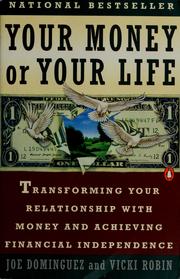
Introduces the life-changing concept of trading 'life energy' for money, making every purchase feel real and deliberate. Read second so Ramsey's practical framework gives this book's philosophy a concrete home.
Practical Frugality: Cutting Expenses & Saving More
BeginnerLearn specific, actionable tactics for slashing everyday expenses — groceries, housing, transport, and more — without sacrificing quality of life.
▸ Study plan for this stage
Pace: 6–8 weeks, ~40–50 pages/day (mix of reading and reflection)
- The 'latte factor': how small daily expenses compound into massive annual spending leaks
- Zero-based budgeting and expense tracking as the foundation for identifying where money actually goes
- Automating savings and debt payoff so frugality becomes effortless rather than willpower-dependent
- Strategic cuts in major expense categories (groceries, housing, transportation) that preserve quality of life
- The Economides family's 'needs vs. wants' framework for evaluating every purchase decision
- Paying yourself first through automatic transfers before other bills create a wealth-building habit
- Behavioral psychology of spending: why we overspend and how to rewire automatic purchasing patterns
- What is the 'latte factor' and how does David Bach use it to illustrate the power of small daily savings?
- How does the Economides family's approach to budgeting differ from traditional methods, and why is tracking actual spending essential?
- What are the three to four highest-impact expense categories you can cut in your own life, and what specific tactics from the books apply to each?
- How does automating your savings (Bach's core principle) remove the need for constant willpower, and what is your personal automation plan?
- What is the difference between a 'need' and a 'want' according to the Economides framework, and how would you apply this to your own spending?
- How can you maintain quality of life while cutting expenses—what examples do the authors provide?
- Track every expense for one week in detail (groceries, transport, subscriptions, dining out, etc.) and calculate your personal 'latte factor'—identify the small daily habits costing you the most annually
- Create a zero-based budget using the Economides method: list all income, then allocate every dollar to a specific category (needs, wants, savings) until you reach zero
- Audit your subscriptions, memberships, and recurring charges; cancel or downgrade at least three that don't align with your priorities
- Implement one 'automation' from Bach's system: set up an automatic transfer to savings that happens before you see the money (e.g., 10% of paycheck to a separate account)
- Choose one major expense category (groceries, housing, or transport) and research 3–5 specific tactics from the books; implement at least two and measure the monthly savings
- Interview a family member or friend about their biggest spending leak, then help them identify one actionable cut using the Economides needs/wants framework
Next up: This stage equips you with concrete, immediately actionable tactics to plug expense leaks and automate savings, setting the foundation for the next stage, which will likely deepen your understanding of long-term wealth-building strategies, investment principles, and how to grow the money you've saved.
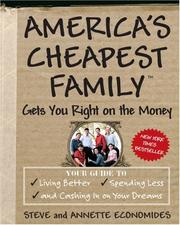
A deeply practical, category-by-category guide to cutting real household costs written by a family that lives it. It translates the mindset from Stage 1 into hundreds of concrete habits.
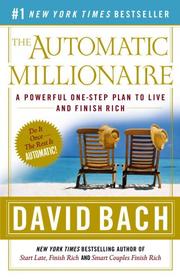
Introduces the 'Latte Factor' and the power of automating small savings, bridging everyday frugality with the habit of consistently keeping what you save. Best read after you've identified where to cut.
Minimalism: Owning Less, Living More
IntermediateAdopt a minimalist philosophy that makes frugality feel like freedom rather than deprivation, and permanently reduce the desire to overspend.
▸ Study plan for this stage
Pace: 8–10 weeks, ~40–50 pages/day. Week 1–3: "The Life-Changing Magic of Tidying Up" (200 pages); Week 4–6: "Goodbye, Things" (250 pages); Week 7–10: "Essentialism" (300 pages). Allow 1 week buffer for reflection and exercises between books.
- The KonMari Method: sorting by category (not location) and keeping only items that spark joy—a practical framework for decluttering that shifts mindset from guilt to gratitude
- Joy as the decision criterion: using emotional resonance rather than utility or obligation to determine what deserves space in your life
- Minimalism as abundance: owning fewer, higher-quality items creates mental clarity, reduces decision fatigue, and paradoxically increases satisfaction and freedom
- The psychology of possession: understanding why we hold onto things (guilt, 'just in case,' identity) and how releasing them breaks the cycle of compulsive consumption
- Essentialism as a discipline: learning to say no to the non-essential so you can say yes to what truly matters, reducing both physical and mental clutter
- The ripple effect of minimalism: how decluttering your physical space transforms your relationships, time management, and spending habits
- Intentionality over accumulation: replacing the default mode of passive consumption with active, values-aligned choices about what enters your life
- What is the KonMari Method, and how does the criterion of 'sparking joy' differ from traditional decluttering approaches based on utility or frequency of use?
- Why does Fumio Sasaki argue that minimalism leads to freedom rather than deprivation, and what role does releasing possessions play in breaking the cycle of desire?
- How does Greg McKeown define essentialism, and how does it apply to both physical possessions and commitments in your daily life?
- What are the psychological barriers that prevent people from discarding items (guilt, identity, scarcity mindset), and how do the three books address overcoming them?
- How can you distinguish between items/commitments that are truly essential to your values versus those you keep out of obligation, habit, or fear?
- What is the relationship between owning less and spending less? How does minimalism reshape your relationship with money and consumption?
- Complete the KonMari tidying festival for one category (e.g., clothes, books, or kitchen items): sort by category, hold each item, assess if it sparks joy, and keep only those that do. Document your feelings before and after.
- Create a 'joy inventory': photograph or list 10–15 items you own that genuinely spark joy. Reflect on what they have in common and why they matter to you.
- Conduct a 30-day no-buy challenge while reading 'Goodbye, Things.' Track any urges to purchase and journal about what emotional need each impulse was trying to meet.
- Identify three non-essential commitments or subscriptions in your life (apps, memberships, social obligations). Apply McKeown's essentialism framework to decide which to eliminate.
- Practice the 'one in, one out' rule for one month: for every new item that enters your home, consciously remove one item of similar category. Reflect on how this changes your purchasing behavior.
- Write a personal mission statement identifying your top 3–5 core values. Then audit your possessions and calendar to see which align with these values and which don't.
Next up: This stage establishes minimalism as a foundational mindset—the emotional and philosophical shift that makes frugality sustainable—preparing you to move into the next stage, which will likely focus on practical money management, budgeting, and intentional spending strategies grounded in the freedom and clarity you've now cultivated.
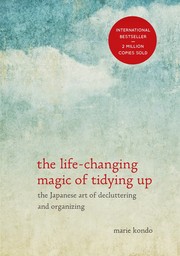
Forces a ruthless audit of everything you own, making the cost of clutter visceral and real. This naturally kills impulse buying and pairs perfectly with the frugal habits built so far.
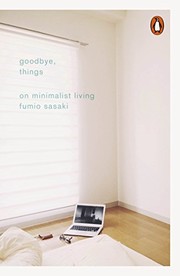
A personal, philosophical deep-dive into owning less that complements Kondo's method with the 'why' behind minimalism. Reading it second lets Kondo's practical process ground Sasaki's broader ideas.

Extends minimalism beyond possessions into time, energy, and commitments — showing that frugality is really about protecting your most valuable resources. A natural capstone to the minimalism stage.
Building Wealth: Making Every Dollar Work
IntermediateChannel the money freed by frugal living into proven wealth-building strategies — investing, financial independence, and long-term security on any income.
▸ Study plan for this stage
Pace: 8–10 weeks, ~40–50 pages/day. Allocate 2–3 weeks per book to allow time for reflection and exercises between titles.
- Wealth is built through consistent saving and disciplined spending habits, not high income — the 'millionaire next door' mindset of living below your means
- Index fund investing is the most reliable path to long-term wealth for ordinary investors, with low costs and consistent market returns
- Asset allocation and time in the market matter far more than trying to beat the market through active trading or stock picking
- Financial independence is achievable through extreme frugality paired with strategic investing — reducing expenses is as powerful as increasing income
- The relationship between spending, saving rate, and years to financial independence — higher savings rates dramatically compress the timeline
- Behavioral discipline and avoiding lifestyle inflation are the true determinants of wealth accumulation, regardless of starting income
- Diversification and low-cost, passive investing protect against emotional decision-making and market timing mistakes
- What are the key characteristics of millionaires in 'The Millionaire Next Door,' and how do they differ from high-income earners in their spending and wealth-building habits?
- Why does John Bogle argue that index fund investing is superior to active stock picking for most investors, and what evidence does he provide?
- What is the relationship between your savings rate (the percentage of income you save) and the number of years required to achieve financial independence according to 'Early Retirement Extreme'?
- How does Jacob Lund Fisker define 'extreme early retirement,' and what are the core lifestyle and financial principles required to achieve it?
- What are the main behavioral mistakes that prevent ordinary people from building wealth, and how can you structure your finances to avoid them?
- How do the three books complement each other in building a complete wealth-building strategy from frugality through investing to financial independence?
- Track your actual spending for one week and categorize it (housing, food, transportation, discretionary). Identify which categories align with 'millionaire next door' principles and which reflect lifestyle inflation.
- Calculate your current savings rate: (Income − Expenses) / Income × 100. Use the 'Early Retirement Extreme' framework to project how many years until financial independence at your current rate, then model scenarios with 10%, 20%, and 30% higher savings rates.
- Research and compare the expense ratios of 3–5 index funds (e.g., S&P 500 index funds from Vanguard, Fidelity, Schwab). Calculate how much you'd pay in fees over 30 years on a $100,000 investment, demonstrating Bogle's point about cost drag.
- Create a simple investment plan: decide on an asset allocation (e.g., 80% stocks / 20% bonds) based on Bogle's principles, select specific low-cost index funds, and commit to a monthly investment amount. Write down your plan and the reasoning behind it.
- Interview a person you know who has built significant wealth (or research a case study). Map their journey against the principles in 'The Millionaire Next Door' — what frugal habits, income decisions, and investment choices did they make?
- Audit your lifestyle for 'lifestyle inflation': identify three areas where your spending has increased as your income grew. Brainstorm how you could redirect that spending toward wealth-building instead.
Next up: This stage transforms the reader from a frugal saver into a strategic wealth-builder with a concrete investment plan and a clear timeline to financial independence, preparing them to explore advanced topics like tax optimization, real estate investing, or entrepreneurship as additional wealth-building levers in the next stage.
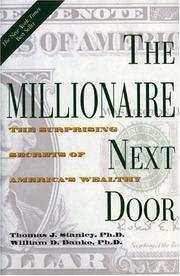
Research-backed proof that ordinary frugal people quietly build extraordinary wealth — validates everything learned so far and reframes 'rich' as a lifestyle of discipline, not display.
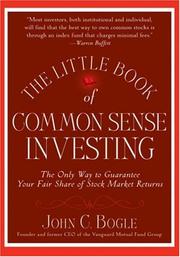
The definitive guide to low-cost index fund investing — the natural destination for the money you've saved. Bogle's simple, evidence-based approach is perfectly matched to the frugal mindset.
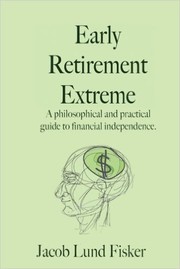
The most rigorous and philosophically complete book on achieving financial independence through radical frugality. Best saved for last — it synthesizes every prior stage into a unified, systems-level life strategy.
Discussion
Keep reading
Paths that share books, cover the same subject, or open a related topic.