Quality management is widely misunderstood as inspecting defects out at the end, when the whole modern discipline says the opposite: build quality into the process so defects rarely occur. Getting there means grasping a philosophy, then the statistics that make variation visible, then the standards and toolkits that operationalize it. Skip the philosophy and the tools become box-ticking; skip the statistics and you cannot tell signal from noise.
The order that works starts with the thinkers who defined the field, moves to statistical control, then finishes with standards and practical improvement.
The philosophy
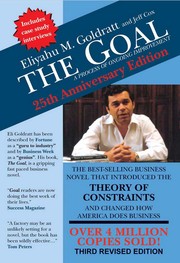
Begin with the masters. Out of the crisis by W. Edwards Deming lays out his System of Profound Knowledge and the famous management points, arguing that most quality problems are built into the system by management, not the workers. Juran's quality handbook is the encyclopedic complement, the reference that codified quality planning, control, and improvement for generations of practitioners. Add The goal by Eliyahu Goldratt here, because its systems view of bottlenecks and local-versus-global optimization is the same mindset quality demands.
Statistical control
Quality becomes rigorous when you can measure variation. Understanding statistical process control by Donald Wheeler is the clearest introduction to control charts and, crucially, to telling common-cause from special-cause variation — the single most important idea in the field. Introduction to Statistical Quality Control by Douglas Montgomery is the deeper textbook for readers who want the full statistical machinery behind SPC and acceptance sampling.
Standards and tools
The final arc makes it operational. ISO 9001:2015 for Small and Medium-Sized Businesses by Tod Daniels demystifies the world's dominant quality standard for real organizations. The ASQ quality improvement pocket guide and The lean Six Sigma pocket toolbook by Michael George are the desk references packed with the tools you actually deploy on projects. Lean thinking by James Womack connects quality to flow and waste elimination, and The improvement guide by Gerald Langley closes the path with the Model for Improvement and the PDSA cycle that structures ongoing change.
Read in this order and quality becomes a system you engineer rather than an inspection you dread. These books complement real process data and hands-on improvement work rather than replacing them. Follow the full path from Deming's philosophy to a running continuous-improvement program.
Follow the full reading path →
Ready to learn something deeply?
Build a reading path — free